
District Community Partnership Newsletter: Communicating School-Community Collaboration to Families
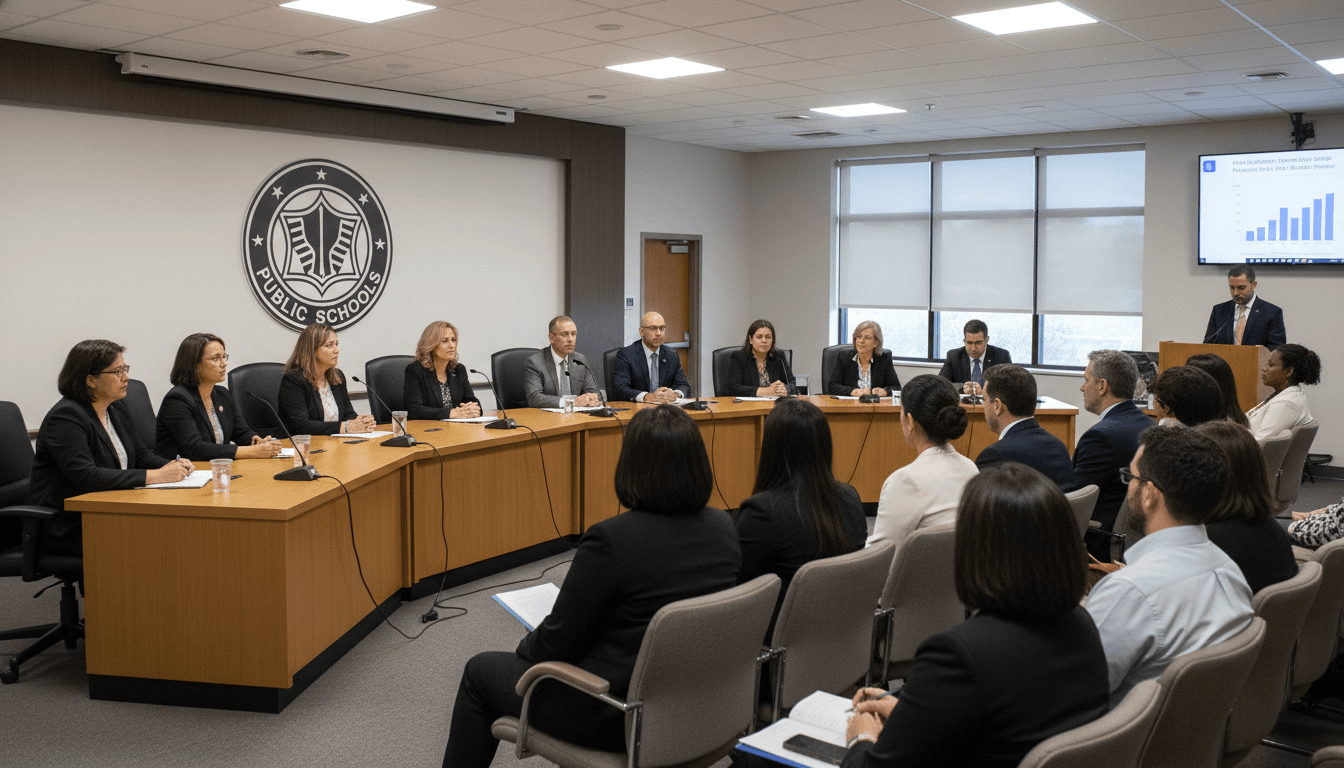
School districts do not educate students alone. The businesses, civic organizations, community groups, higher education institutions, and service providers that partner with a district extend its reach, resources, and programs in ways that the district budget cannot cover. A newsletter that communicates about these partnerships specifically, describing what each one provides and how students benefit, builds community awareness of the full ecosystem supporting student success.
This guide covers what to include in a district community partnership newsletter, how to communicate business and organizational partnerships, how to describe the student benefits clearly, and how to use partnerships to extend the district's educational mission into the broader community.
Describing what each partnership actually provides
Community partnership newsletters that list partner names without describing what each partnership delivers are announcements rather than communications. A newsletter that describes the specific programs, resources, or services each partner provides, which students are served, and what the outcomes have been, gives families a real picture of the partnership's value. "Through our partnership with the regional hospital network, every elementary school now has a licensed social worker available two days per week" communicates far more than a partnership logo in the newsletter footer.
Communicating career and workforce partnerships
Partnerships with employers provide career exploration, job shadowing, internship placements, and mentorship that cannot be replicated in a classroom. A newsletter that describes which employer partners are working with the district, what they offer, which students can access the programs and how, and what students have gone on to do after participating, connects the partnership to real post-secondary outcomes. Career partnership communication is particularly valuable for families of students who are exploring career paths rather than college as a next step.
Featuring higher education partnerships
Partnerships with colleges and universities can provide dual enrollment opportunities, concurrent credit, campus visits, college access advising, and pipeline programs for first-generation college students. A newsletter that describes these programs specifically, explains the eligibility requirements, and gives families the contacts needed to explore options for their children, makes college access more equitable by reaching every family rather than only those who know to ask.
Communicating partnerships with social service organizations
Partnerships with food banks, housing agencies, mental health organizations, domestic violence resources, and family support services extend the district's ability to serve students who face challenges beyond the academic. A newsletter that describes these partnerships and how families can access their services through the school, without stigma or application barriers, reaches families who may not know these resources exist or that the district has a relationship with them. The information most needed by families in crisis is often the information least likely to reach them through standard channels.
Inviting new community partners
A newsletter that describes the district's partnership philosophy, the types of partnerships the district is seeking, and the process for becoming a partner, opens the door for community organizations and businesses that want to contribute but do not know how to start. Some of the most valuable partnerships begin when a community member reads a newsletter description of what the district needs and realizes they can help provide it. Partnership invitations in the newsletter are a low-cost way to expand the district's community resource network.
Using Daystage for community partnership communication
Daystage district newsletters support building a standing community partnership section into your regular monthly newsletter. Feature new partnerships when they are formed, describe active partnership programs and how to access them, and report on partnership outcomes annually. Consistent partnership communication builds the community awareness that makes the district's broader ecosystem of support visible to every family it serves.
Get one newsletter idea every week.
Free. For teachers. No spam.
Frequently asked questions
What should a district community partnership newsletter include?
Cover which community organizations, businesses, and civic groups are partnering with the district, what each partnership provides to students, how the partnership was formed and is governed, what families can access through the partnership, and how interested organizations can become partners. Partnership newsletters are most useful when they describe what each partnership actually delivers rather than only naming the partners.
How do I communicate about business partnerships without making the newsletter feel promotional?
Focus on what the partnership provides to students, not on the partner's business. A newsletter that describes what a company provides, in terms of mentorship hours, internship placements, equipment donations, or curriculum support, communicates the student benefit. A newsletter that reads like a thank-you advertisement for the partner communicates a different priority.
How do I communicate about partnerships with community organizations that serve specific student populations?
Describe what the organization provides, which students it serves and how, how the district connected with it, and how families can access its services. Partnerships with social service organizations, cultural community organizations, and youth development groups extend the district's support capacity in ways that benefit specific student populations and deserve clear, specific communication.
How do I communicate about a partnership that ended or was not renewed?
Acknowledge it briefly if the partnership was publicly known, describe the reason for the conclusion without unnecessary detail, and note whether a replacement service has been identified. Families who were depending on a partnership's services deserve to know when they are no longer available. Brief, factual transition communication is more helpful than silence.
How does Daystage support district community partnership communication?
Daystage district newsletters support building a community partnership section into your regular monthly communication. Feature each significant partnership when it is formed, describe what it provides throughout its active period, and report on outcomes annually. Consistent partnership communication builds community awareness of the network of support surrounding the district's students.

Adi Ackerman
Author
Adi Ackerman is a former classroom teacher and curriculum writer with 8 years in K-8 schools. She writes about school communication, parent engagement, and what actually works in real classrooms.
More for School Board
District Policy Update Newsletter: Communicating New and Revised Policies to School Families
School Board · 6 min read
School Board Meeting Summary Newsletter: Communicating What Happened at the Board Meeting
School Board · 5 min read
School Safety Policy Newsletter: Communicating District Security Decisions to Families
School Board · 6 min read
Ready to send your first newsletter?
3 newsletters free. No credit card. First one ready in under 5 minutes.
Get started free