
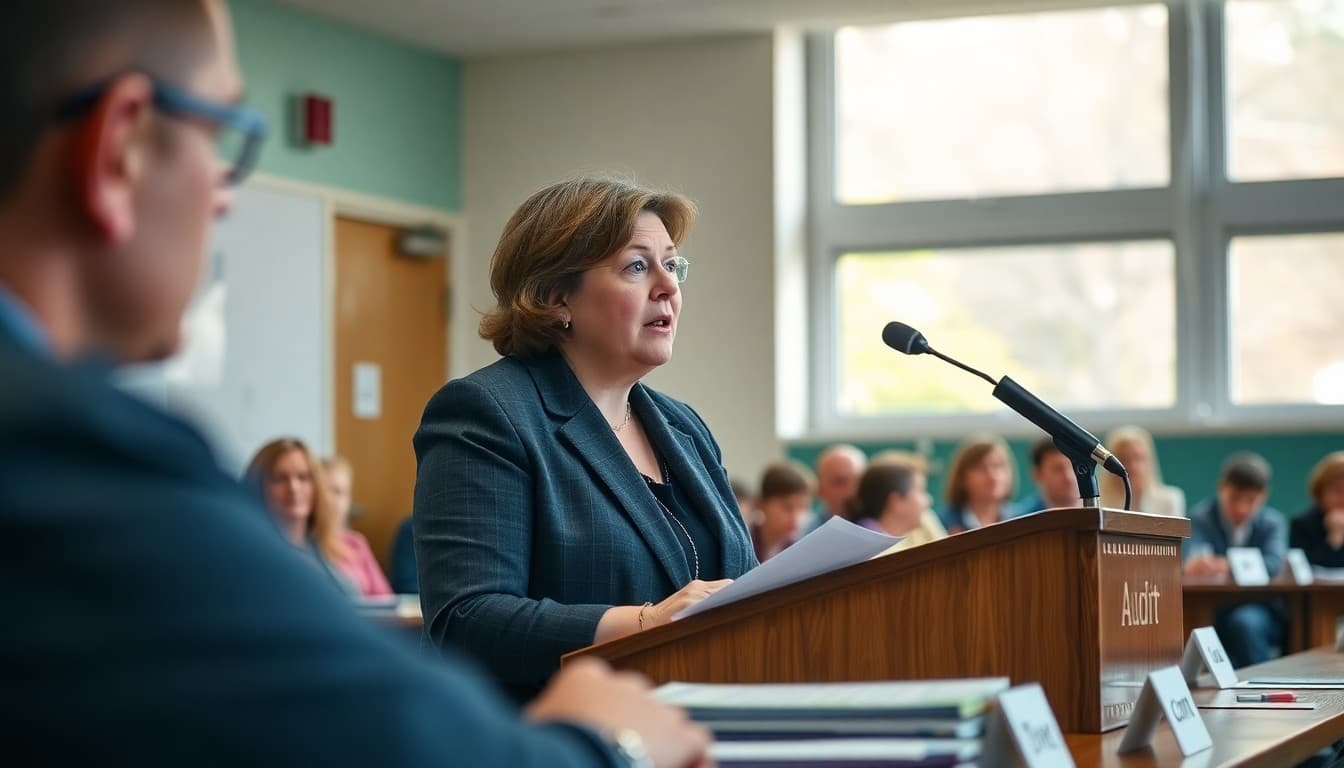
School Board Financial Audit Results Newsletter for the Community

School district audit results are public records, but most community members never see them because they are buried in board meeting packets or posted as PDF downloads on a website that nobody visits without a reason. A newsletter that communicates audit results directly to families is one of the most effective tools a board has for building credibility on fiscal management. It also controls the narrative before local news coverage does it for you.
What an Annual Audit Is and Why Families Should Care
An independent financial audit is conducted by a certified public accounting firm that the district does not employ. The auditor examines the district's financial statements, internal controls, and compliance with relevant laws and regulations. The audit result is an opinion: unmodified meaning the statements are fairly presented, modified if there are concerns, or adverse if there are material misstatements. For most families, the simplest explanation is this: an outside firm checked whether the district is handling public money correctly and reported what they found. That framing is accurate and accessible.
Leading With the Headline
Start the newsletter with the bottom line. "The district received an unmodified audit opinion for fiscal year 2024-25, meaning our financial statements fairly present the district's financial position." If there are findings, state them in the first paragraph too: "The audit identified two recommendations for improving internal purchasing controls. The district is addressing both." Leading with the conclusion rather than the process tells families whether this is good news or a situation that needs attention, without making them read to the end to find out.
Explaining Findings Without Minimizing Them
Almost every audit includes at least a few recommendations for improving internal controls or administrative procedures. These are not the same as a finding of misconduct or misuse of funds. The newsletter should explain the difference. A recommendation to separate purchasing approval from payment processing is a governance best practice suggestion, not evidence of fraud. A material weakness is more serious and requires a clear corrective action plan. The explanation should be honest about the severity while avoiding jargon that either inflates concern or obscures a real problem.
Presenting the Financial Summary
Include a brief financial summary in the newsletter: total revenues, total expenditures, and the fund balance at the end of the fiscal year. Compare these to the prior year if the numbers improved. Note any major changes, like a significant increase in federal funding or an extraordinary expenditure for facility repairs. Families do not need a full financial statement in the newsletter, but three or four data points that contextualize the district's financial health give the audit results meaning. Include a link to the full audit document for families who want more detail.
Discussing the Corrective Action Plan
For each finding or recommendation in the audit, describe what the district is doing to address it and when the correction will be complete. If a prior-year finding was repeated, explain what changed and why the correction is still in progress. A corrective action plan that names specific steps, responsible staff, and a completion timeline demonstrates that the board takes the audit process seriously. Vague commitments like "We will continue to improve our internal controls" do not reassure families who read audit findings carefully.
Contextualizing the Results for Non-Experts
Most community members are not accountants. Terms like "material weakness," "significant deficiency," "opinion on internal controls," and "compliance findings" require translation. Consider a simple glossary sidebar in the newsletter or a brief explanation before each section that uses auditing terminology. "The auditor found no material misstatements, which means our financial records are accurate" is more useful than repeating the auditor's own language. The goal is that a parent who reads the newsletter understands what the audit found without needing to look anything up.
Acknowledging the Staff Who Made It Happen
A clean audit requires months of work from the district's finance staff, bookkeepers, and administrators who maintain accurate records and respond to auditor requests. Acknowledging that work in the newsletter gives credit where it is due and makes the result feel like a community achievement. "The finance department maintained accurate records throughout a challenging year that included multiple system transitions" is specific and genuine. This kind of recognition costs nothing and improves morale.
Publishing and Archiving the Newsletter
Post the audit results newsletter on the district website alongside the link to the full audit document. Archive previous years' newsletters so community members can track results over time. Local reporters and community advocates often research audit history before writing stories or raising questions at board meetings. A readily accessible archive that shows consistent clean opinions with responsive corrective action on any findings is a strong defense against accusations of fiscal mismanagement. It also makes the board's transparency record visible to families who join the district mid-year.
Get one newsletter idea every week.
Free. For teachers. No spam.
Frequently asked questions
When does a school district typically receive its annual audit results?
Most school districts complete their annual independent financial audit within four to six months after the fiscal year ends. For districts on a July through June fiscal year, audit results typically arrive between October and December. State requirements vary, but most require the audit to be filed with the state education department within 180 days of fiscal year end. The board should send its audit newsletter within two weeks of receiving the final audit report.
What does a clean audit opinion mean?
An unmodified opinion, sometimes called a clean opinion, means the auditor found no material misstatements in the district's financial statements and the statements fairly present the district's financial position. It does not mean no findings at all. Most audits include recommendations for improving internal controls or administrative practices. A clean opinion with minor recommendations is typical and should be communicated as a positive outcome while acknowledging the recommendations.
How should a board communicate a finding or material weakness?
Directly and with a remediation plan. A finding that is disclosed in the newsletter with a specific corrective action plan and timeline is far less damaging to community trust than a finding that families discover through a news report. The newsletter should name the finding without jargon, explain what it means in practical terms, and describe what the board and district administration are doing to address it. Findings without remediation plans suggest the board is not taking them seriously.
Do community members generally read school district audit reports?
Very few community members read the full audit document. Most families learn about audit results from a summary newsletter, a board meeting report, or local news coverage. This is why the newsletter matters so much. It is often the only version of audit results that families receive in an accessible format. A newsletter that presents the results honestly and in plain language is more effective at building trust than relying on the few community members who download the full report from the district website.
What platform helps boards send a professional audit results newsletter?
Daystage lets district communications staff build a formatted newsletter with summary sections, financial highlights, and links to the full audit document. You can send it to all district families, archive it on the district website, and track engagement to see how widely the community is reading the financial transparency communications.

Adi Ackerman
Author
Adi Ackerman is a former classroom teacher and curriculum writer with 8 years in K-8 schools. She writes about school communication, parent engagement, and what actually works in real classrooms.
More for School Board
Ready to send your first newsletter?
3 newsletters free. No credit card. First one ready in under 5 minutes.
Get started free