

Ohio School Board Newsletter Guide: Communicating Governance in a Report Card State
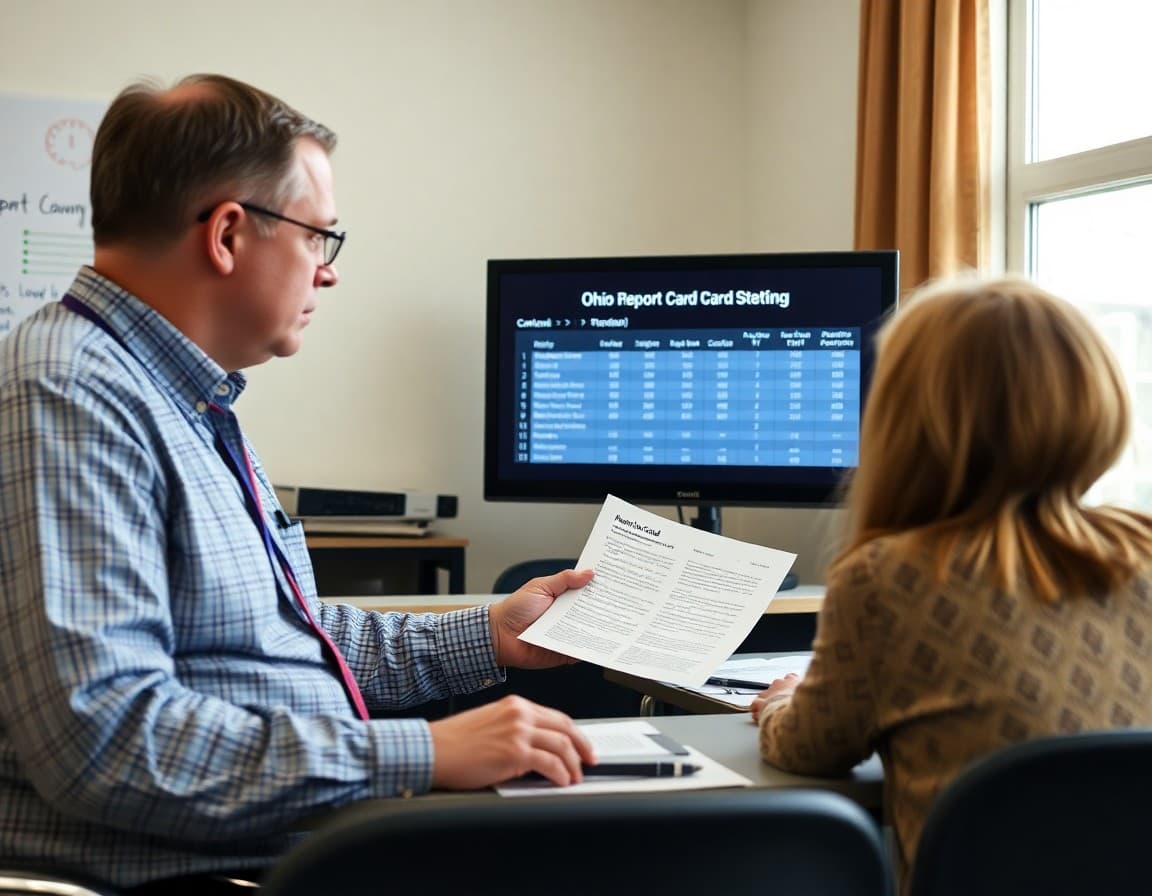
Ohio school boards govern more than 600 school districts in a state with a detailed annual report card system, a heavy reliance on local property tax levies for education funding, and a competitive school choice environment that includes charter schools, open enrollment, and scholarship programs. Board communication in Ohio operates against this backdrop, and newsletters that engage honestly with report card grades, levy information, and the school choice landscape are more effective at building community trust than those that communicate around these topics rather than directly about them.
This guide covers what Ohio school board newsletters should include, how to communicate on the issues most relevant to Ohio districts, and how to build community trust through regular, honest governance communication.
Board meeting decisions for Ohio families
Ohio board meeting summaries should explain not just what was decided but why. For each significant decision, provide the context families need: what problem was being addressed, what alternatives were evaluated, and why the board chose this course. Ohio communities have real school choice options, and boards that communicate the reasoning behind governance decisions signal that leadership is thoughtful and accountable.
Ohio Report Card grades and OST results
Ohio's annual report card grades schools and districts on achievement, growth, graduation, early literacy, and other components. When report card grades are released in fall, board newsletters should address them directly and promptly. Report the grades, explain what each component reflects, describe the board's response to areas of underperformance, and acknowledge where the district is performing well. Boards that communicate about report card grades proactively and honestly earn credibility with families who are paying close attention.
Levy election communication in Ohio
Ohio school districts depend on voter-approved property tax levies that must be regularly renewed or replaced. When a levy is approaching, board newsletters should communicate clearly and factually: what the levy funds, what the tax rate impact is for a typical property owner, how long the levy runs, and what the implications are for the district if the levy fails. Ohio law restricts school district advocacy in elections, but factual education communication is permitted and important for informing voters.
Foundation payment and state funding communication
Ohio's school funding formula provides per-pupil foundation payments based on enrollment and a capacity aid calculation. When the state adjusts foundation payment levels or changes the formula, board newsletters should explain what the district is receiving, how it compares to prior years, and how the board is managing resources in response. Families who understand the state funding formula are better advocates with their state legislators.
School choice context in Ohio
Ohio has an extensive school choice landscape including community schools, EdChoice scholarship programs, and open enrollment options. Board newsletters should communicate what local district schools offer, make an affirmative case for local schools, and provide context about how enrollment decisions affect district resources. Districts that lose students to choice options benefit from proactive communication about what makes their local schools worth choosing.
Community participation in Ohio board governance
Ohio's Sunshine Law ensures that board meetings are publicly accessible. Board newsletters should preview upcoming agenda items, explain significant decisions, and provide clear information on how to attend, comment, and participate. Advisory committee openings and community forums should be promoted with specific logistics.
Using Daystage for Ohio board newsletters
Daystage supports Ohio school boards in building a consistent, professional newsletter practice. Design a monthly template with standard sections: meeting summary, Ohio Report Card updates, levy information, budget transparency, and participation opportunities. Boards that publish consistently and communicate honestly about Ohio's complex accountability and funding environment build the community trust that sustains effective governance.
Board elections and communication continuity in Ohio
Ohio school board elections occur in November on odd-numbered years for most districts. Newsletter communication should be designed as an institutional function that persists through membership changes. Introduce new members, acknowledge departing members, and maintain the same structure and publication schedule across election cycles. Consistent communication signals institutional stability and ongoing accountability.
Get one newsletter idea every week.
Free. For teachers. No spam.
Frequently asked questions
What should an Ohio school board newsletter include?
Board meeting decisions with explanations, Ohio Report Card grades and OST results, levy election information, state foundation payments and budget transparency, policy changes affecting families, and specific community participation opportunities. Ohio boards that explain the reasoning behind decisions build stronger community trust than those that announce outcomes without context.
How often should Ohio school boards publish a newsletter?
Monthly publication aligned with the regular board meeting cycle is appropriate for most Ohio boards. Ohio's annual report card releases create specific communication moments when boards should communicate directly to families about academic results and what they mean for the district.
How should Ohio boards communicate about the Ohio Report Card?
Ohio's school report card assigns grades on multiple components including achievement, growth, graduation, and progress. When report card grades are released, board newsletters should address them directly: report the grades, explain what each component reflects, describe the board's response to areas needing improvement, and acknowledge strong results. Boards that engage proactively with report card data are more credible than those that wait for community questions.
How should Ohio boards communicate about levy elections?
Ohio school districts depend heavily on local property tax levies that must be renewed or replaced by voter approval. Board newsletters should communicate clearly when a levy is approaching: what the levy funds, what happens to the tax rate, how long the levy runs, and what the contingency plan is if it fails. Ohio law restricts district advocacy in elections, so boards must be careful to communicate factually.
How does Daystage support Ohio school board communication?
Daystage gives Ohio school boards a professional newsletter platform for consistent, clear board communication. Build a monthly template with standard sections covering meeting summaries, Ohio Report Card updates, levy information, budget transparency, and community participation. Consistent communication is the foundation of community trust in Ohio's active governance environment.

Adi Ackerman
Author
Adi Ackerman is a former classroom teacher and curriculum writer with 8 years in K-8 schools. She writes about school communication, parent engagement, and what actually works in real classrooms.
More for School Board
School Board Newsletter Guide: Communicating Governance Decisions to District Families
School Board · 6 min read
School Board Academic Achievement Newsletter: How Are We Doing
School Board · 7 min read
School Bond Measure Newsletter: Communicating Facilities and Capital Investment to Voters
School Board · 6 min read
Ready to send your first newsletter?
3 newsletters free. No credit card. First one ready in under 5 minutes.
Get started free