
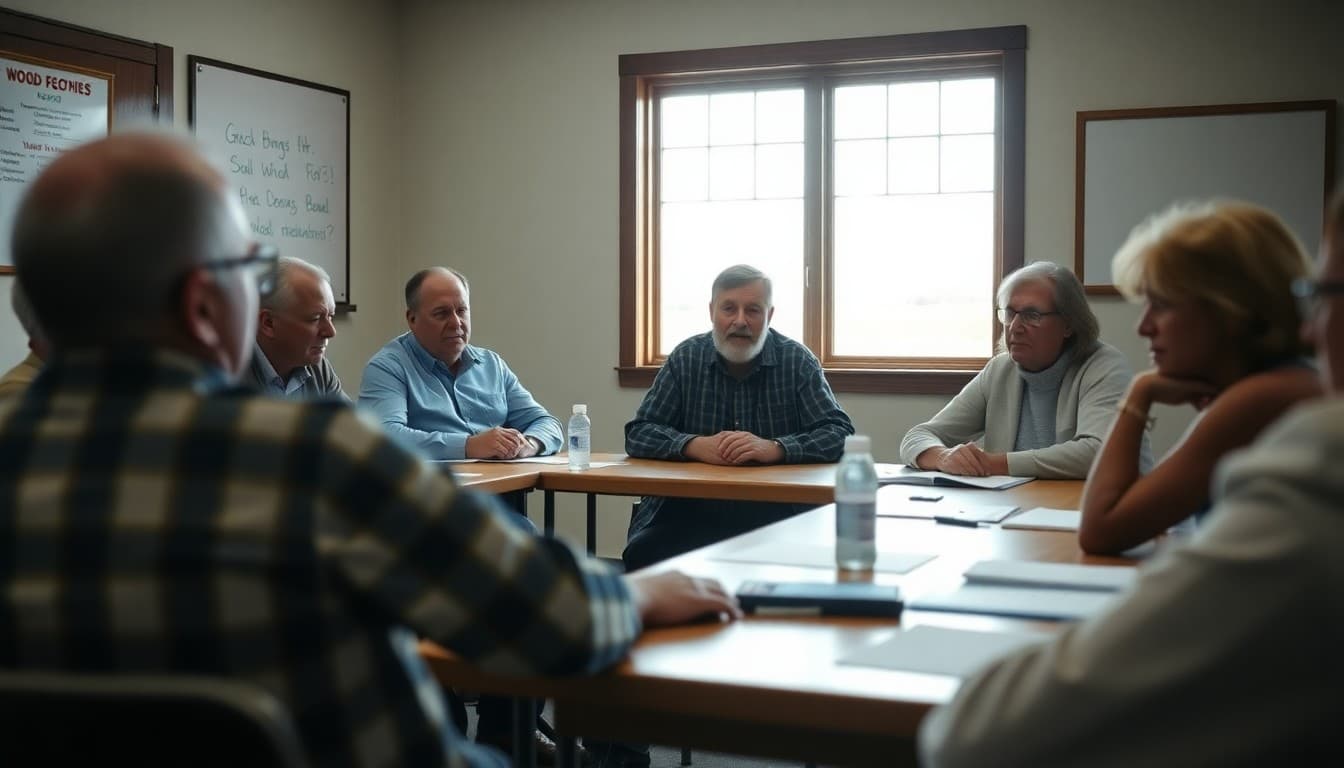
Montana School Board Newsletter Guide: Governance Communication in Rural Communities

Montana school boards govern more than 400 school districts, the vast majority of which serve small, rural communities. Many Montana districts have only a few hundred students and a board composed of community members who know the families they serve personally. In this context, a consistent board newsletter serves a slightly different purpose than in large urban districts: it provides a formal, documented record of governance decisions alongside the informal community relationships that characterize smaller Montana communities, and it ensures that all families, not just those with direct board relationships, are kept informed.
This guide covers what Montana school board newsletters should include, how to communicate in the specific context of rural Montana governance, and how to build community trust through regular, honest governance communication.
Board meeting decisions in small community governance
Montana board meeting summaries should explain what was decided and why, even in smaller communities where many residents may already know board members personally. The newsletter creates a formal, accessible record that community members who were not at the meeting can rely on. For each significant decision, explain the reasoning clearly: what problem was addressed, what alternatives were considered, and why the board chose this path. Professional communication standards in small communities signal that governance is organized and accountable.
Montana state assessment results and academic accountability
Montana administers state assessments in English language arts, mathematics, and science. When results are released, board newsletters should address them directly. Report what the data shows for the district and for individual schools, explain what the results mean, and describe what the board is doing in response to areas of underperformance. In small rural districts, academic performance data may be particularly sensitive given small student populations, but honest engagement with results is still more credible than avoiding the conversation.
Quality educator standards and teacher recruitment
Montana's quality educator standards establish requirements for teacher and administrator licensure. Recruiting and retaining qualified educators is a significant challenge for many rural Montana districts competing against urban schools and neighboring states for a limited pool of candidates. Board newsletters should communicate what the district is doing to attract and retain effective educators: compensation strategies, professional development investments, housing assistance if offered, and the appeal of working in a Montana community. Families who understand the teacher recruitment challenge are better positioned to support the board's strategies.
Biennial legislative funding and budget communication
Montana's legislature meets in odd-numbered years, and the education funding formula changes that result from each session shape district budgets for the following two years. When the legislature acts on education funding, board newsletters should explain what the district will receive, how it compares to prior funding levels, and how the board is planning the budget for the coming biennium. Mill levy information should be communicated clearly when the board takes action on local tax rates.
State policy changes and local implementation
Montana's Office of Public Instruction and the Board of Public Education regularly produce policy changes that local boards must implement. When those changes affect families directly, board newsletters should translate them into plain language: what changed, what it means for local schools, and what families need to know. OPI guidance written for a professional audience should be restated in terms accessible to community members.
Community participation in Montana board governance
Montana's open meetings law ensures that board meetings are publicly accessible. In small communities, most community members already know when and where board meetings occur. But newsletters that preview upcoming agenda items and explain significant decisions coming before the board are still valuable: they invite informed participation rather than passive attendance, and they reach families who may not be in the regular community communication loop.
Using Daystage for Montana board newsletters
Daystage supports Montana school boards, including small rural districts with limited communications resources, in building a consistent, professional newsletter practice. Design a simple monthly template with standard sections: meeting summary, assessment updates, budget information, and participation opportunities. A well-structured brief newsletter published consistently is more effective than an elaborate publication that appears only occasionally.
Board elections and communication in small Montana communities
Montana school board elections are often low-turnout events in small communities. When new members join the board, the newsletter is the formal channel for introducing them to the broader community. Acknowledge departing members' service and maintain the same publication structure across transitions. Even in communities where everyone knows the board members personally, institutional communication standards signal that governance is organized and accountable.
Get one newsletter idea every week.
Free. For teachers. No spam.
Frequently asked questions
What should a Montana school board newsletter include?
Board meeting decisions with explanations, Montana state assessment results, quality educator standards updates, legislative funding information, budget and local mill levy details, policy changes, and community participation opportunities. Montana boards that explain the reasoning behind decisions build stronger community trust in rural communities where accountability is personal and direct.
How often should Montana school boards publish a newsletter?
Monthly publication aligned with the regular board meeting cycle is appropriate for most Montana boards. In smaller rural districts where the board and community know each other personally, consistent newsletter communication is a way to maintain professional governance accountability alongside the informal community relationships that characterize smaller communities.
How should Montana boards communicate about quality educator standards?
Montana's quality educator standards establish requirements for teachers and administrators. Board newsletters should communicate how the district is meeting these standards: what professional development is provided, how teacher quality is supported, and what the board is doing to recruit and retain effective educators in competitive rural labor markets. Teacher recruitment and retention is a persistent challenge for rural Montana districts.
How should Montana boards communicate about legislative funding changes?
Montana's legislature meets every two years, and the education funding formula changes that result from each session have significant effects on local districts. When the legislature acts, board newsletters should explain what changed, what the district is receiving, and how the board plans to manage resources in the upcoming biennium. Families who understand the biennial funding cycle are better advocates with their legislators.
How does Daystage support Montana school board communication?
Daystage gives Montana school boards, including small rural districts with limited staff, a professional newsletter platform for consistent, clear board communication. Build a monthly template with standard sections covering meeting summaries, assessment results, budget information, and community participation. Even a well-structured brief newsletter produced consistently is more effective at building community trust than an irregular publication.

Adi Ackerman
Author
Adi Ackerman is a former classroom teacher and curriculum writer with 8 years in K-8 schools. She writes about school communication, parent engagement, and what actually works in real classrooms.
More for School Board
Ready to send your first newsletter?
3 newsletters free. No credit card. First one ready in under 5 minutes.
Get started free