
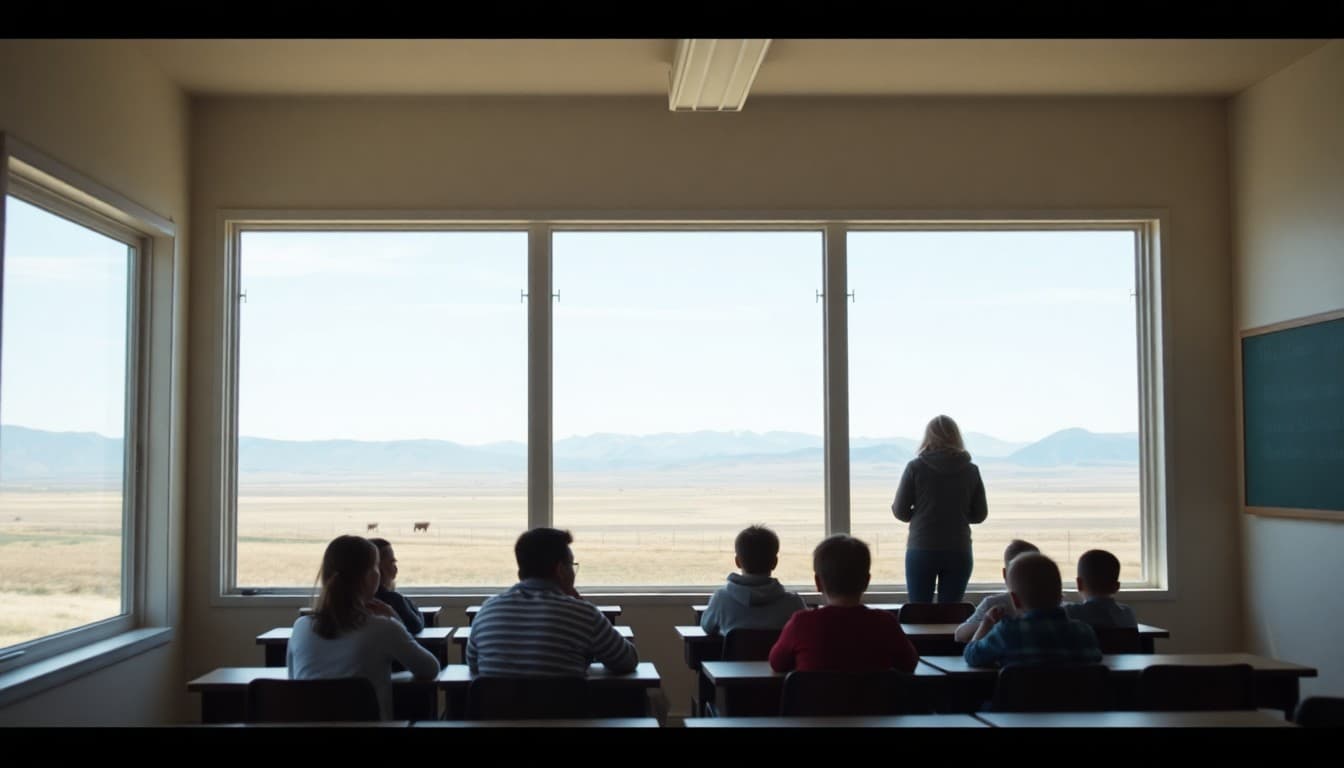
Rural School Communication Strategies for Wyoming Educators
Wyoming has fewer people than many metropolitan neighborhoods. Its rural school districts can cover more land than some eastern states, with fewer than 200 students spread across those miles. The communication challenges here are not variations on standard rural challenges. They are the outer limit of what rural school communication can mean.
Wind River Reservation: Two Nations, Two Communication Contexts
The Wind River Reservation is shared by the Eastern Shoshone Tribe and the Northern Arapaho Tribe, each with distinct cultural identities and governance structures. Schools serving these families work with tribal education offices. The reservation has limited broadband, and many families rely on mobile data or have no home internet. Paper newsletters sent home with students are the primary channel. Shoshone or Arapaho language greetings in newsletters acknowledge community identity. The tribe's own community networks reach families that institutional channels miss.
Fremont and Hot Springs Counties: Distance and Paper Systems
School districts surrounding the Wind River Reservation cover thousands of square miles with limited road infrastructure. Some ranch families are 40 or more miles from school. Cell service drops in river valleys. Home broadband is uncommon outside of Riverton and Lander. Paper newsletters are the primary channel for the most remote families. Phone calls for urgent matters cover the rest.
Gillette and Energy Industry Towns: Enrollment Instability
Campbell County's coal mining and natural gas industries create enrollment cycles tied to energy prices. When prices are high and drilling is active, families move in. When markets drop, families leave. Clear, welcoming enrollment and re-enrollment communication in the newsletter, and consistent contact information for families in transition, reduce the logistical friction of these cycles.
Ranch Country: Distance, Connectivity, and Seasonal Schedules
Wyoming's cattle ranching counties have families accessible only by long gravel roads that become impassable in winter. Calving season in spring and roundup in fall keep ranch families unavailable for school events. The newsletter during these periods should be shorter than usual, focused on the most essential items. Consistent delivery, regardless of season, builds the reading habit that sustains the communication relationship.
Weather and Road Condition Communication
Wyoming winters produce blizzards that close passes and make gravel roads dangerous. School closures happen regularly, particularly in mountain districts. The communication protocol for weather events should be in the first newsletter of the year. Which channels are used, what time decisions are announced, and what families on remote roads should do when conditions make travel dangerous.
Food Resource Communication in Remote Communities
Rural Wyoming communities, particularly on the Wind River Reservation, have significant food insecurity. Some families are hours from a full- service grocery store. School meal program information, commodity food distribution schedules, and food pantry access should appear in newsletters for communities with food access challenges.
Title I Documentation in Small Remote Districts
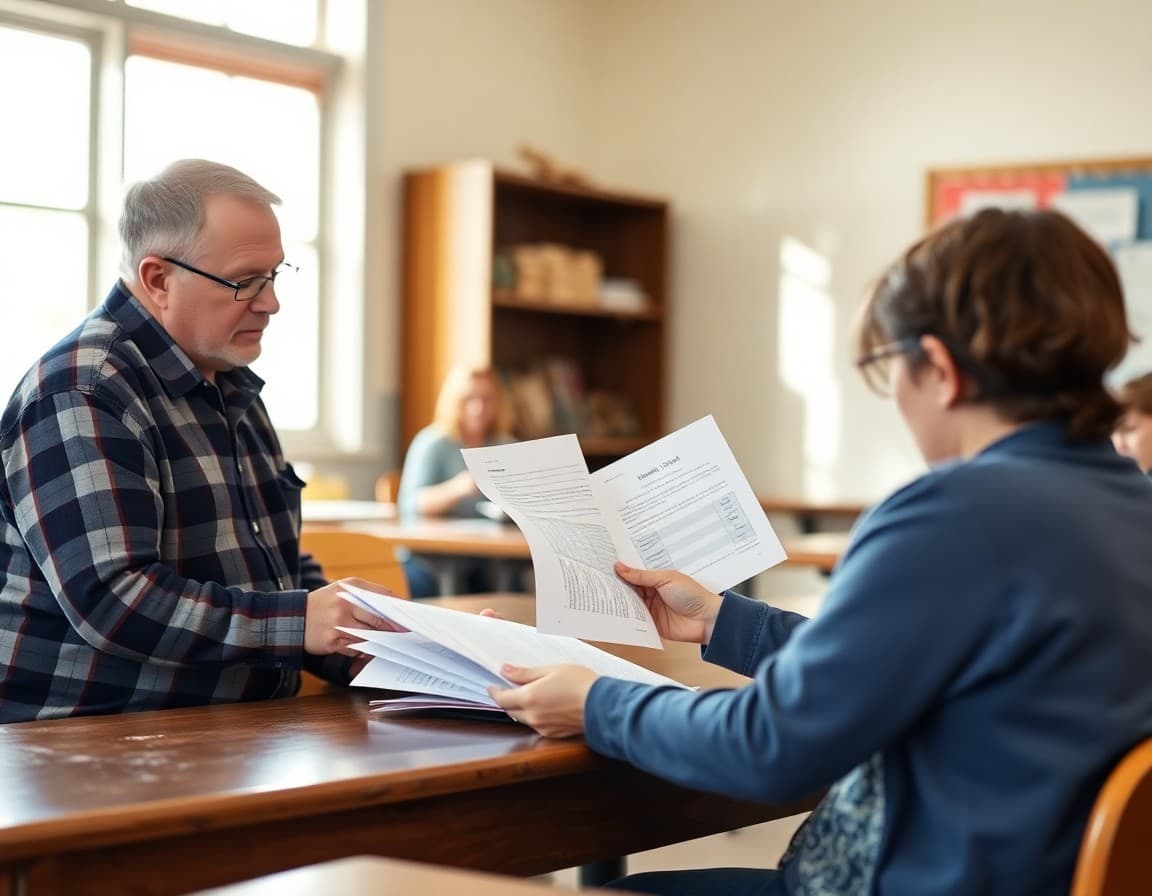
Wyoming Title I schools, including those serving tribal students, must distribute parent involvement policies and school-parent compacts annually. For small remote districts with limited administrative staff, having these as newsletter template sections reduces the compliance burden. Daystage tracks which families have opened which communications.
Wyoming rural educators who design communication for their community's tribal sovereignty, extreme geography, and seasonal rhythms build stronger family engagement than those using systems designed for more connected environments. The newsletter is the visible commitment to reaching every family, wherever they are.
Get one newsletter idea every week.
Free. For teachers. No spam.
Frequently asked questions
What communication challenges are specific to Wyoming rural schools?
Wyoming is the least populous state in the country. The Wind River Reservation is home to Eastern Shoshone and Northern Arapaho tribes with distinct communication needs and limited broadband. Energy industry towns like Gillette and Rock Springs have boom-bust enrollment cycles. Ranch communities across the state have families spread across vast distances with limited connectivity.
How should Wyoming tribal school educators approach communication with Wind River families?
The Eastern Shoshone Tribe and Northern Arapaho Tribe share the Wind River Reservation. Each has distinct cultural identity and governance structures. Schools serving tribal students work with the tribal education departments. Shoshone and Arapaho language acknowledgments in newsletters respect community identity. The reservation has limited broadband, making paper distribution the primary channel for many families.
How do Wyoming energy industry towns handle enrollment instability?
Gillette, Rock Springs, and Pinedale schools see enrollment surge when energy prices are high and drop when they fall. Clear, welcoming communication for new families, straightforward enrollment information, and consistent contact points for families uncertain about their plans reduce the disruption these cycles create. The newsletter should make re-enrollment as easy as possible.
What digital access barriers do Wyoming rural educators face?
Wyoming is one of the least connected rural states. The Wind River Reservation has limited broadband. Ranch communities across the state are in cellular dead zones. Paper newsletters sent home with students are the primary channel for the most isolated families. Digital supplements for families who have access.
What newsletter tool supports Wyoming rural school communication in extreme geography?
Daystage lets Wyoming rural educators send lightweight newsletters that load on limited connections and track which families are engaging. Schools use it alongside paper distribution systems to reach families across the state's vast rural distances.

Adi Ackerman
Author
Adi Ackerman is a former classroom teacher and curriculum writer with 8 years in K-8 schools. She writes about school communication, parent engagement, and what actually works in real classrooms.
More for Rural & Title I
Ready to send your first newsletter?
3 newsletters free. No credit card. First one ready in under 5 minutes.
Get started free