
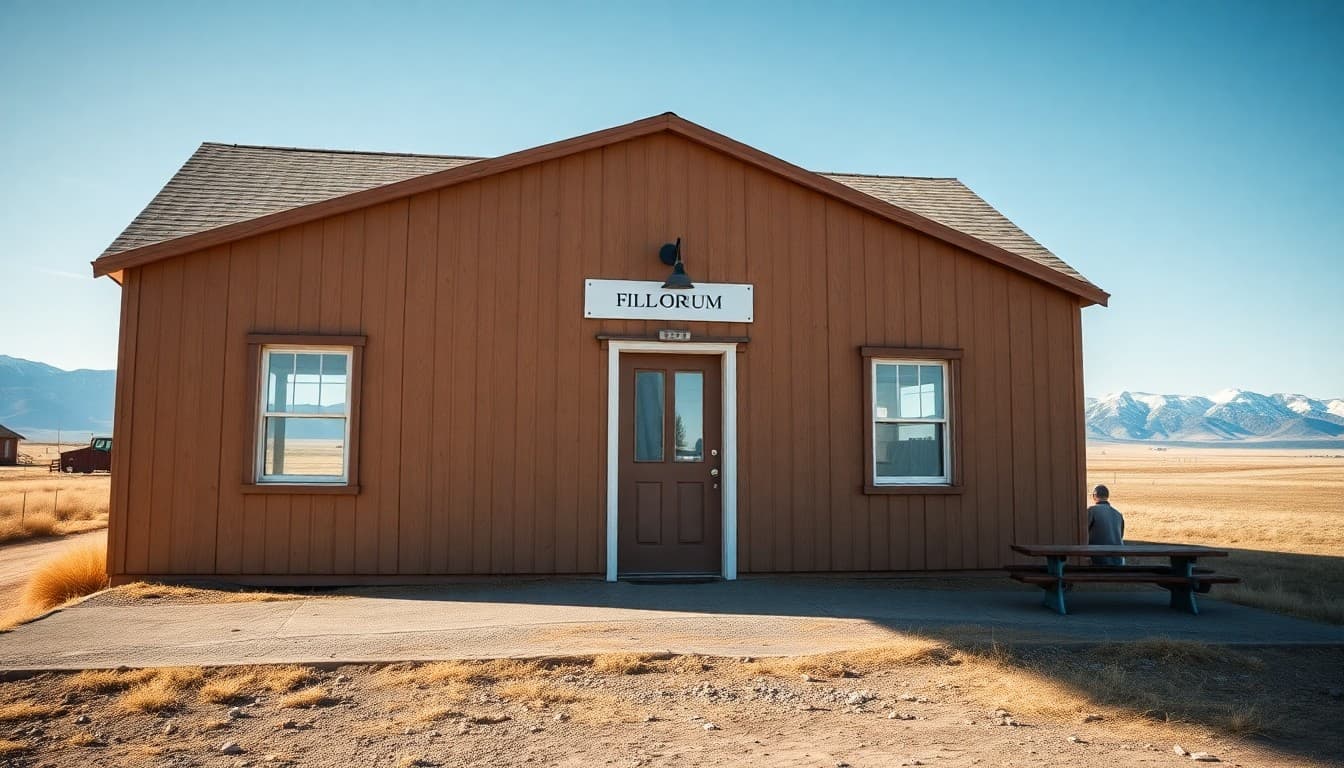
Wyoming Rural School Newsletter Guide for Wind River and Ranch Communities

Wyoming is the least-populated state in the country. Its school newsletter challenge is, in some ways, the purest version of the rural communication problem: vast distances, limited connectivity, communities that are genuinely isolated, and families whose trust in institutions has to be earned through consistent behavior rather than assumed. The Wyoming teacher who sends a good newsletter every week is doing something that matters more per family reached than almost any other state.
Wyoming's Rural School Communication Landscape
Wyoming has three distinct rural school contexts. The Wind River Reservation in Fremont County is home to Eastern Shoshone and Northern Arapaho communities with limited broadband, high poverty, and distinct cultural communication norms. Isolated ranch and farming communities in Carbon, Niobrara, and Crook counties have families that may be genuinely unreachable by digital means. Energy industry communities in Campbell and Sublette counties have transient populations tied to natural gas and oil employment.
Wind River Reservation: Tribal Identity and Communication
The Wind River Reservation is home to both the Eastern Shoshone and Northern Arapaho nations, which have their own tribal governments and cultural institutions. Schools serving students from these nations that acknowledge tribal identity in their newsletters, distribute through tribal channels, and include cultural calendar information build relationships with families that generic institutional communications cannot achieve. The reservation has limited broadband coverage; plain-text email and printed copies are both essential.
Ranch Communities: Distance and Connectivity
Niobrara County has fewer than 2,500 residents spread across nearly 2,700 square miles. Families here may be 40 miles from the nearest town. Satellite internet is common but expensive, and some locations have no reliable cell signal. The school bus is the primary newsletter distribution channel for ranch families. A clear, brief printed newsletter in the student folder every Friday is the school-to-family communication system that works in these conditions.
Energy Industry Communities: Transient Families
Campbell County's Gillette and Sublette County's Pinedale have schools serving families working in natural gas and oil. Energy industry employment is cyclical, and families may arrive or depart with industry contracts. A newsletter that includes re-enrollment procedures, district contact numbers, and school transfer records information in every issue helps transient families navigate transitions. The newsletter is often the primary institutional document a transient family keeps from their time at the school.
Wyoming Winter Weather Communication
Wyoming has severe winters with regular school closures for blizzards, ice storms, and extreme cold across most of the state. A standing winter closure protocol section in every newsletter from October through April covers how families will be notified, what happens to meals on closure days, and any remote learning expectations. For ranch families who may be unreachable by phone during a blizzard, the printed newsletter's description of closure procedures is practical preparation before the emergency.
What Every Wyoming Rural School Newsletter Should Include
Five items per issue: key dates, meal program information, winter weather closure protocol from October through April, one Title I resource notice, and a community or student recognition. For Wind River Reservation schools, include tribal cultural calendar acknowledgments and Eastern Shoshone or Arapaho language elements. For energy community schools, include re-enrollment information monthly. Keep total reading time under three minutes.
Food Security on the Wind River Reservation
Fremont County's Wind River Reservation has food insecurity rates well above the state average. Newsletters that communicate free meal availability and food distribution schedules plainly give families the information they need: "Free breakfast and lunch for all students every day. The school pantry distributes Thursdays at 3 PM." In communities where institutional trust is earned over time, consistent and honest practical information is the foundation of that trust.
Title I Requirements and Tribal Education
Wyoming Title I schools must distribute their parent engagement policy and school-parent compact. For schools within the Wind River Reservation, coordination with tribal education is appropriate. Quarterly newsletter inserts with plain-language summaries cover the requirement. Daystage makes it easy to save these as reusable template blocks.
Wyoming rural schools that build newsletters for their community's real conditions, tribal identity, ranch family geography, energy industry mobility, and severe winters, reach the families who most need consistent school communication. In the least-populated state in the country, every family reached by a well-built newsletter represents the school meeting its community where it actually lives.
Get one newsletter idea every week.
Free. For teachers. No spam.
Frequently asked questions
What communication challenges are specific to Wyoming rural schools?
Wyoming is the least-populated state in the country. Fremont County, home to the Wind River Reservation, has Eastern Shoshone and Northern Arapaho communities with limited broadband. Isolated ranch families in Carbon, Niobrara, and Weston counties may be 50 miles from the nearest neighbor. Energy industry towns in Campbell and Sublette counties have transient populations.
How should Wyoming Wind River Reservation schools approach newsletters?
The Eastern Shoshone and Northern Arapaho nations both have active language and cultural programs on the Wind River Reservation. Including a language acknowledgment or cultural calendar notice in the newsletter builds community trust. Distributing through tribal offices extends reach to families that email cannot.
How do Wyoming ranch community schools reach isolated families?
Ranch families in Niobrara, Crook, and Weston counties may have limited broadband and infrequent trips to town. The school bus is the primary printed newsletter distribution channel. Plain-text email for families with satellite internet, printed copies through the bus for remote families.
What content is most important for Wyoming rural families?
Winter weather closure procedures, meal program information, Title I tutoring availability, and WY-TOPP testing schedules are highest priority. For Wind River Reservation schools, cultural calendar events and tribal program information belong alongside academic content.
What newsletter tool works for Wyoming rural schools?
Daystage delivers lightweight newsletters and tracks open rates. For Wyoming's remote rural schools, the analytics identify which families need printed copies or phone follow-up.

Adi Ackerman
Author
Adi Ackerman is a former classroom teacher and curriculum writer with 8 years in K-8 schools. She writes about school communication, parent engagement, and what actually works in real classrooms.
More for Rural & Title I
Rural School Newsletter Guide: Communication Strategies for Small and Remote Schools
Rural & Title I · 7 min read
How Rural Schools Serving Indigenous Communities Can Design Newsletters That Build Trust
Rural & Title I · 5 min read
Rural School Weather Closure Newsletter: How Schools Communicate Closures and Emergency Decisions
Rural & Title I · 5 min read
Ready to send your first newsletter?
3 newsletters free. No credit card. First one ready in under 5 minutes.
Get started free