

Wisconsin Rural School Newsletter Guide for Northwoods and Agricultural Communities
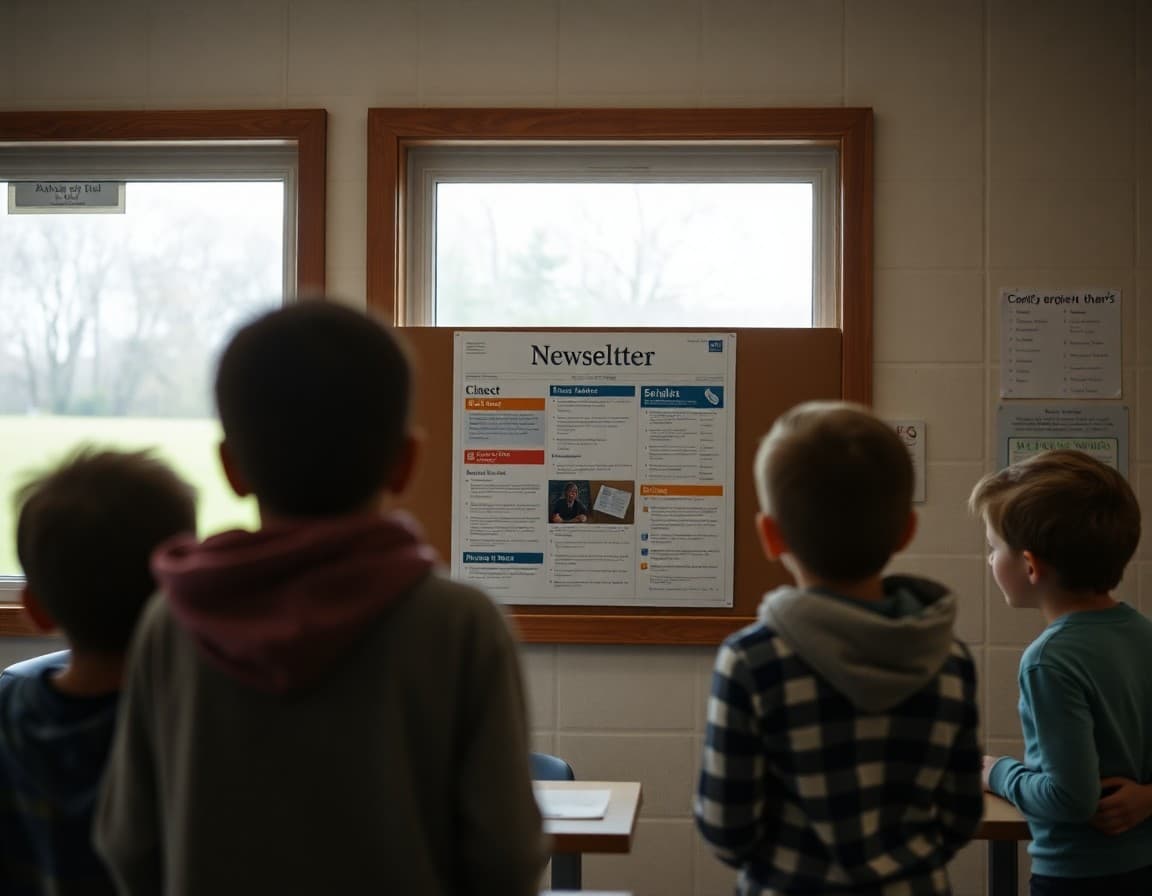
A teacher in Wausau sends her newsletter in three versions every week: English, Hmong, and Spanish. Her school has families from all three language communities. The Hmong version goes to the Hmong community liaison who distributes it at the community center. The Spanish version goes to the bilingual aide who posts it at the Mexican restaurant that serves as an informal community hub. Three versions, three distribution channels, one school. Her parent involvement survey scores are the highest in the district.
Wisconsin's Rural School Communication Landscape
Wisconsin's rural school communication challenges come from three distinct regions and language communities. The Northwoods in the north and northwest has limited broadband, tourism and logging economies, and tribal nations. Central Wisconsin has significant Hmong and Hispanic populations from the dairy and agriculture industries. The southwestern coulees have dairy farming families and some tribal communities. Each requires a newsletter approach built for its specific conditions.
Wausau and Central Wisconsin: Hmong and Hispanic Communities
Wausau has one of the largest Hmong populations of any city in the United States, with roots in the 1970s and 1980s refugee resettlement. Spanish-speaking families have grown significantly in central Wisconsin through dairy farm and food processing employment. Schools serving these communities that send English-only newsletters are not communicating with a substantial portion of their family population. A multilingual newsletter, covering Hmong and Spanish alongside English, is the appropriate standard for central Wisconsin Title I schools.
Northwoods Schools: Tourism, Logging, and Limited Broadband
Florence, Vilas, and Oneida counties in the Northwoods have limited broadband coverage and economies based on tourism, logging, and seasonal employment. Families in tourist economy jobs have irregular schedules during summer and winter peak seasons. Plain-text email newsletters paired with printed copies for offline families covers the digital access gap. Posting at resorts, local businesses, and community centers distributes the newsletter to families who work in the tourism economy and may not check their personal email regularly.
Wisconsin Tribal Nations: Ojibwe and Menominee Schools
Wisconsin has eleven tribal nations, including the Bad River Band, Lac du Flambeau, Menominee, and Oneida. Schools serving tribal students should acknowledge tribal identity, distribute through tribal community channels, and include cultural calendar information. The Menominee Nation's tribal school in Keshena and the Oneida Nation's educational programs offer models of culturally integrated school communication that non-tribal schools serving tribal students can learn from.
What Every Wisconsin Rural School Newsletter Should Include
Five items per issue: key dates, meal program information, one Title I resource notice, winter weather closure protocol from October through April, and a community or student recognition. For Wausau and central Wisconsin schools, include Hmong and Spanish summaries. For tribal schools, include cultural calendar acknowledgments. Keep total reading time under three minutes.
Food Security in Wisconsin Rural Communities
Wisconsin's rural food insecurity is concentrated in tribal communities and in the lower-wage agricultural worker populations of central Wisconsin. Newsletters that communicate free meal availability plainly in all languages serve families in a way that builds newsletter value: "Free breakfast and lunch for all students every day. No application required." In Hmong and Spanish as well.
Title I Requirements and the Newsletter
Wisconsin Title I schools must distribute their parent engagement policy, school-parent compact, and annual report. For schools with large non-English populations, translated versions are required for identified EL families. Quarterly newsletter inserts in all relevant languages cover the requirement. Daystage makes it easy to add these as reusable template blocks each quarter.
Wisconsin rural schools that build multilingual, culturally aware newsletters matched to their community's actual language and access conditions reach the families who most need consistent school communication. The newsletter is how a school in Wausau, Lac du Flambeau, or the Northwoods demonstrates every week that it sees and serves its full community.
Get one newsletter idea every week.
Free. For teachers. No spam.
Frequently asked questions
What communication challenges do Wisconsin rural schools face?
Wisconsin Northwoods counties like Florence and Vilas have limited broadband and families spread across tourism and logging economies. Central Wisconsin has significant Hmong and Hispanic agricultural populations in communities like Wausau and Waupaca. The Bad River, Lac du Flambeau, and other tribal nations have reservation schools with connectivity constraints and cultural communication needs.
How should Wisconsin schools handle multilingual newsletters?
Wausau has one of the largest Hmong communities in the United States. Central Wisconsin also has significant Spanish-speaking agricultural worker populations. A newsletter with both Hmong and Spanish summaries covers two of the three largest non-English language groups in Wisconsin rural schools.
How do Wisconsin Northwoods schools handle broadband gaps?
Florence and Vilas counties in the Northwoods have limited broadband. Plain-text email newsletters paired with printed copies for offline families is the appropriate approach. Community distribution through local resorts and businesses serves tourism economy families.
What content is most important for Wisconsin rural families?
Winter weather closure procedures, meal program information, Forward Exam testing schedules, and Title I tutoring availability are highest priority. For tribal schools, cultural calendar events and language program notices belong in the newsletter.
What newsletter tool works for Wisconsin rural schools?
Daystage delivers lightweight newsletters and tracks open rates. For Wisconsin's multilingual rural schools, the analytics identify which families need translated communications or printed backup delivery.

Adi Ackerman
Author
Adi Ackerman is a former classroom teacher and curriculum writer with 8 years in K-8 schools. She writes about school communication, parent engagement, and what actually works in real classrooms.
More for Rural & Title I
Rural School Newsletter Guide: Communication Strategies for Small and Remote Schools
Rural & Title I · 7 min read
Rural School Bilingual Family Newsletter: How Schools Communicate Across Language Barriers
Rural & Title I · 5 min read
How Rural Schools Serving Indigenous Communities Can Design Newsletters That Build Trust
Rural & Title I · 5 min read
Ready to send your first newsletter?
3 newsletters free. No credit card. First one ready in under 5 minutes.
Get started free