
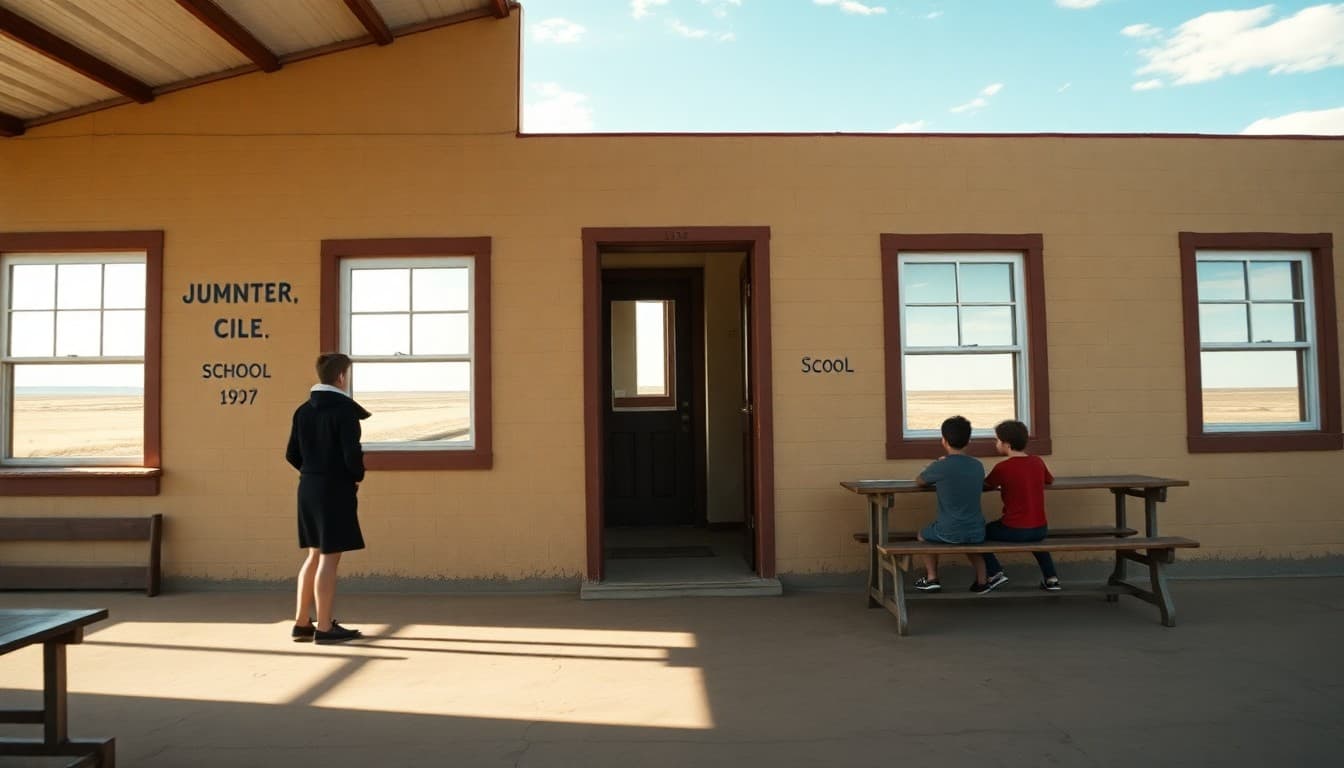
South Dakota Rural School Newsletter Guide for Reservation and Ranch Communities
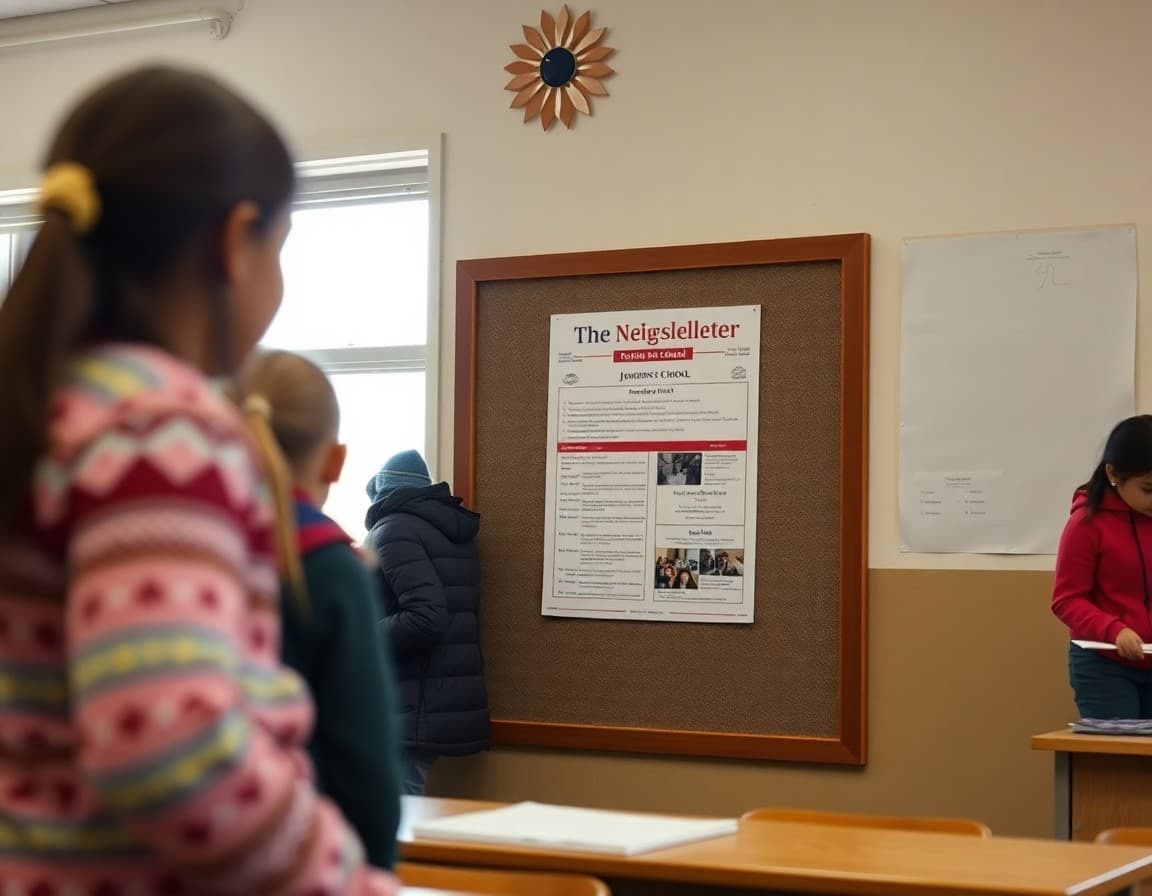
A teacher at a school on the Pine Ridge Reservation distributes her newsletter three ways: email for families with internet, printed copies with every student, and a stack at the OST tribal government office. She started the tribal office distribution when she noticed that families who never opened emails would sometimes reference something from the newsletter. They had seen it at the office. That distribution channel, which costs nothing, is now her highest-reach channel for offline families.
South Dakota's Rural School Communication Landscape
South Dakota has three distinct rural school contexts. Pine Ridge and Rosebud reservations are among the most impoverished communities in the United States, with Oglala Lakota County (Pine Ridge) and Todd County (Rosebud) consistently ranking as the poorest counties in the country. Standing Rock spans the North Dakota border. Western South Dakota ranch communities are geographically isolated across the Black Hills and badlands. Each requires a completely different newsletter approach.
Pine Ridge and Rosebud: Poverty, Connectivity, and Cultural Context
Oglala Lakota County has a poverty rate above 50% and broadband access among the lowest of any area in the country. Many families have no home internet. Satellite connections are common but expensive and weather-sensitive. A newsletter built for these conditions is plain text, under 10KB, and delivered in both digital and printed form. The cultural context is equally important: Lakota identity, language, and community institutions are central to family life on these reservations. A newsletter that ignores cultural context communicates institutional distance rather than partnership.
Lakota Language and Cultural Acknowledgment
The Lakota language is actively spoken and taught on Pine Ridge and Rosebud. Including a Lakota greeting, a cultural calendar acknowledgment, or a note about language program activities builds the newsletter's role as a community document, not just a school document. Families who see their language and culture reflected in school communications are more likely to engage with the school across all dimensions of their child's education.
Winter Weather Communication on the Plains
South Dakota has some of the most extreme winter weather in the continental United States. Blizzards, extreme cold, and ice storms close schools regularly. A standing winter closure protocol in every newsletter from October through April tells families how they will be notified, what happens to meals on closure days, and any remote learning expectations. For families in very remote locations on the reservations, this communication is essential before the blizzard hits, not after.
What Every South Dakota Rural School Newsletter Should Include
Five items per issue: meal and resource information first, key dates, winter weather closure protocol from October through April, one Title I resource notice, and a cultural or student recognition. For Pine Ridge and Rosebud schools, include tribal calendar acknowledgments and OST government resource information. Keep total reading time under three minutes.
Food Security at Pine Ridge and Rosebud
Food insecurity at Pine Ridge is among the most severe of any community in the United States. The newsletter is one of the few consistent communication channels for families. Putting free meal information and food distribution schedules at the top of every issue is not a design choice. It is an ethical commitment to serving the community. Write it directly: "Free breakfast and lunch are available for all students. The school pantry distributes Fridays at 3 PM. All families are welcome."
Title I and Tribal Education Requirements
South Dakota Title I schools must distribute their parent engagement policy and school-parent compact. For BIE-funded schools, additional requirements apply. The newsletter handles this distribution efficiently. Quarterly inserts with plain-language summaries cover the requirement. Daystage makes it easy to save these as reusable template blocks.
South Dakota tribal and rural schools that build newsletters respecting Lakota identity, designed for real connectivity constraints, and loaded with practical resource information serve families in a way that builds genuine trust. On Pine Ridge, where the school is often the most stable institution in the community, the newsletter is how that stability becomes visible every week.
Get one newsletter idea every week.
Free. For teachers. No spam.
Frequently asked questions
What communication challenges are specific to South Dakota rural schools?
Pine Ridge and Rosebud reservations have some of the highest poverty rates in the United States and very limited broadband. Schools here serve Lakota communities with distinct cultural communication norms. Western South Dakota ranch families are geographically isolated across the Black Hills and badlands. Both contexts require newsletters designed for real-world constraints.
How should South Dakota tribal school newsletters reflect Lakota culture?
The Lakota language is an active part of community identity on Pine Ridge and Rosebud. Including a Lakota greeting or cultural acknowledgment in the newsletter signals respect. Distributing through OST government offices and community centers extends reach beyond email to the families most likely to be offline.
How do Pine Ridge schools handle broadband gaps?
Pine Ridge has among the lowest broadband penetration of any reservation in the country. Plain-text email is the only digital format that works on satellite connections with data caps. Printed copies are essential for a large portion of the family population.
What content is most important for South Dakota rural families?
Meal program information, winter weather closure procedures, Title I program availability, and state assessment schedules are highest priority. For tribal schools, cultural calendar events, language program information, and OST government resources belong alongside school content.
What newsletter tool works for South Dakota rural schools?
Daystage sends lightweight newsletters and tracks open rates. For South Dakota's tribal communities with limited connectivity, the analytics identify which families need printed copies or alternative delivery.

Adi Ackerman
Author
Adi Ackerman is a former classroom teacher and curriculum writer with 8 years in K-8 schools. She writes about school communication, parent engagement, and what actually works in real classrooms.
More for Rural & Title I
Rural School Newsletter Guide: Communication Strategies for Small and Remote Schools
Rural & Title I · 7 min read
How Rural Schools Serving Indigenous Communities Can Design Newsletters That Build Trust
Rural & Title I · 5 min read
Rural School Weather Closure Newsletter: How Schools Communicate Closures and Emergency Decisions
Rural & Title I · 5 min read
Ready to send your first newsletter?
3 newsletters free. No credit card. First one ready in under 5 minutes.
Get started free