
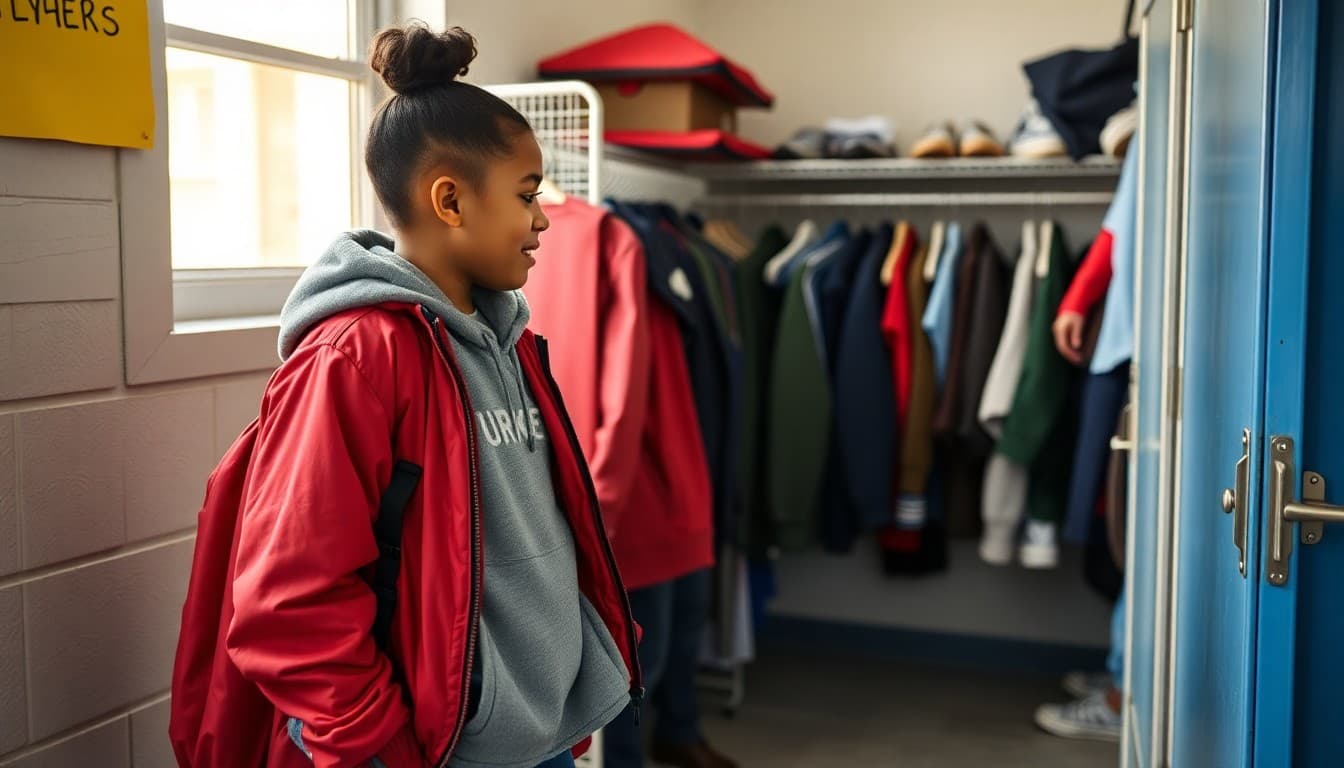
School Clothing Closet Newsletter: Free Clothes for Students in Need
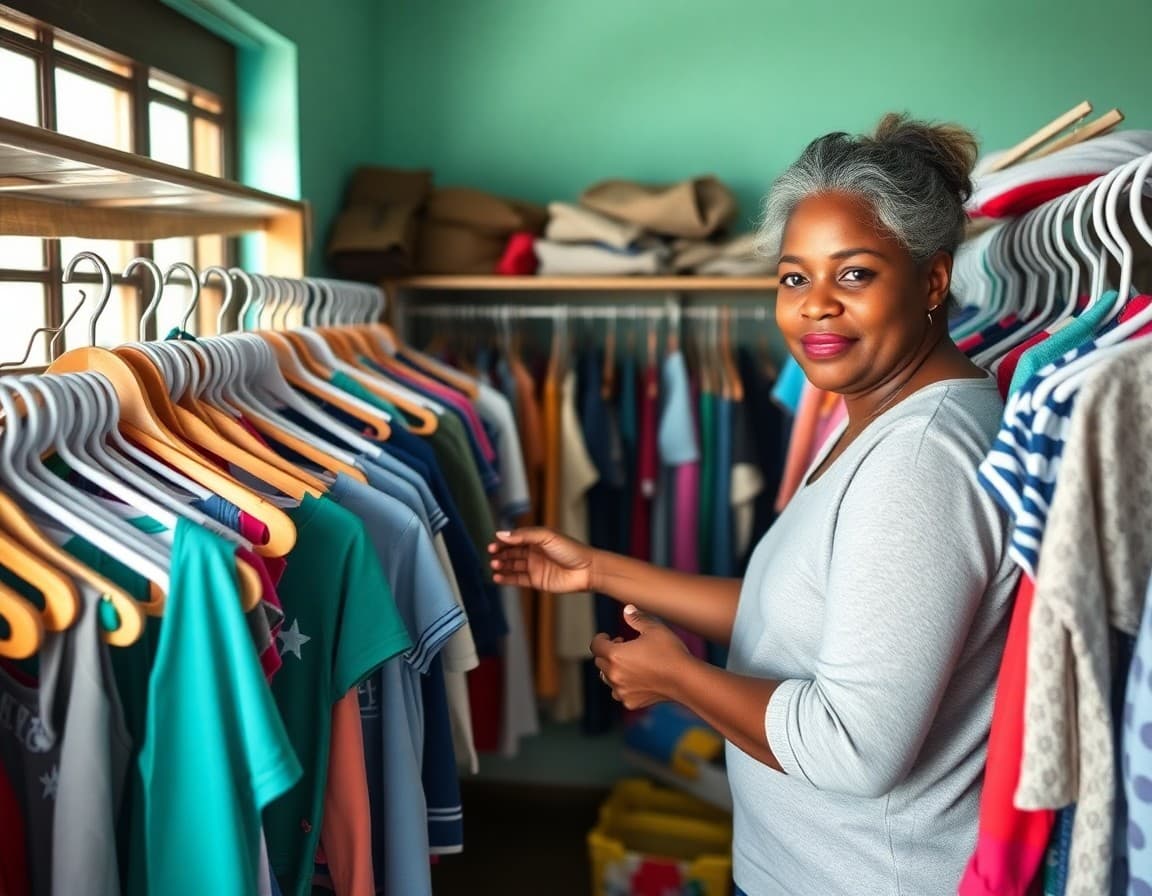
Cold mornings, worn-out shoes, and outgrown coats are facts of life for many students in rural Title I communities. A school clothing closet gives students access to what they need to come to school ready to learn, and a well-written clothing closet newsletter makes sure families know the resource exists and how to use it. Getting the communication right matters as much as having the items on the shelf.
Why Families Do Not Use Clothing Closets
The most common reason families avoid clothing closets is not awareness: it is pride. Families who are struggling often do not want to be seen accepting help, especially in small rural communities where everyone knows each other. Your newsletter can reduce that barrier by framing the closet as a school resource for any student, asking for donations in the same message, and always providing a private way to request items. When families feel they are part of a community system rather than recipients of charity, participation increases.
Open With the Community Resource Frame
Start the announcement with neutral, communal language. "Our school maintains a clothing closet for any student who needs it" is more effective than "for families who cannot afford clothing." Pair the announcement with a donation request to make the communication two-directional. When families see themselves as potential donors as well as potential users, the stigma attached to using the resource shrinks considerably.
Be Specific About What You Have and Need
Vague requests get vague responses. Instead of "we accept clothing donations," write: "We have a strong need for boys' sizes 8-12 and girls' sizes 10-14 right now. We especially need winter coats, sneakers in all sizes, and socks. Uniforms in khaki pants and navy or white shirts are always welcome." That specificity helps donors give what is actually useful and prevents you from drowning in items you cannot use.
Explain How Families Access the Closet Privately
Some schools have families fill out a written request. Others rely entirely on a conversation with the school counselor. Either way, your newsletter should say clearly how a family gets items without having to announce their need publicly. A line like "Contact Ms. Torres in the counselor's office at 555-0177 or ext. 214 to request items. All conversations are confidential." lowers the barrier more than any other single thing in the newsletter.
A Sample Clothing Closet Announcement
Here is a template you can adapt directly:
"Hillcrest Clothing Closet Update -- Did you know Hillcrest Elementary keeps a clothing closet for students? We have coats, shoes, pants, and other items available for any student who needs them. To request items, contact Ms. Torres confidentially at ext. 214. We also welcome donations of clean, gently used children's clothing in all sizes. Drop donations in the box outside the main office. Items most needed right now: boys' jeans sizes 8-12, winter coats sizes S-XL, and sneakers in sizes 4Y and up. Thank you for helping us take care of each other."
Schedule Multiple Announcements Through the Year
Send a general announcement in September, a donation drive push in October before winter, and a reminder of the closet's existence in January. Winter is when need peaks in most rural areas, but students also need clothing for spring sports and warmer weather. A brief newsletter mention in March that the closet has spring items keeps families informed without over-communicating.
Coordinate With Community Donors
Local churches, civic groups, and small businesses often want to support schools but do not know how. A newsletter that reaches families also demonstrates the school's needs to anyone who shares it or receives it. Consider adding a line inviting local organizations to contact the school about larger donations: "Local organizations interested in supporting our clothing closet can contact Principal Reed at mreed@hillcrestelementary.org." That one sentence can result in a church organizing a clothing drive on your behalf.
Maintain the Closet Visibly
Mention the clothing closet in at least two or three newsletters per year, even if it is just a sentence. Families who did not need it in September may need it in March. New families enroll throughout the year. Keeping the resource visible means it gets used when students actually need it rather than sitting unknown in a back hallway.
Get one newsletter idea every week.
Free. For teachers. No spam.
Frequently asked questions
What is a school clothing closet and how does it work?
A school clothing closet is a supply of donated or purchased clothing kept on school grounds for students who need it. Families or staff can request items privately, usually through the school counselor or social worker. The closet typically stocks items by size range and focuses on practical needs like winter coats, shoes, socks, and school uniforms. Many Title I schools run them year-round with donations from staff, families, and community partners.
How do you announce a clothing closet without embarrassing families?
Frame the closet as a school resource available to all students, not as charity for a specific group. Use language like 'our school keeps a supply of clothing items for any student who needs them.' Avoid income-based language in the public newsletter. Include a private contact, such as the school counselor, for families to reach out confidentially. Many schools also announce donation drives in the same newsletter so the communication is bidirectional.
What items should a school clothing closet prioritize?
Start with the items students need most urgently: winter coats, shoes in common sizes, socks, underwear, and pants or jeans. Uniforms matter if your school requires them. Seasonal items like boots, rain jackets, and gloves help in rural communities where students walk or wait for buses in harsh weather. Laundry-clean, gently used items work well, as do new basics purchased through supply funds.
How should schools accept clothing donations?
Set up a donation box in a visible, accessible location like the front office or gym lobby. Specify in your newsletter what you need: clean, gently used children's clothing in sizes K-12, especially coats and shoes. Request that families launder items before donating. Consider organizing an annual clothing drive in September when many families are clearing out summer wardrobes. A staff member should sort donations weekly and remove worn or soiled items.
Can Daystage help communicate about a school clothing closet?
Yes. A Daystage newsletter lets you announce the clothing closet to all families at once, request donations with specific size needs, and include a private contact link for families who need items. You can send the announcement early in the school year, then follow up with a winter donation drive reminder in October, all from the same platform without printing and distributing paper flyers.

Adi Ackerman
Author
Adi Ackerman is a former classroom teacher and curriculum writer with 8 years in K-8 schools. She writes about school communication, parent engagement, and what actually works in real classrooms.
More for Rural & Title I
Ready to send your first newsletter?
3 newsletters free. No credit card. First one ready in under 5 minutes.
Get started free