
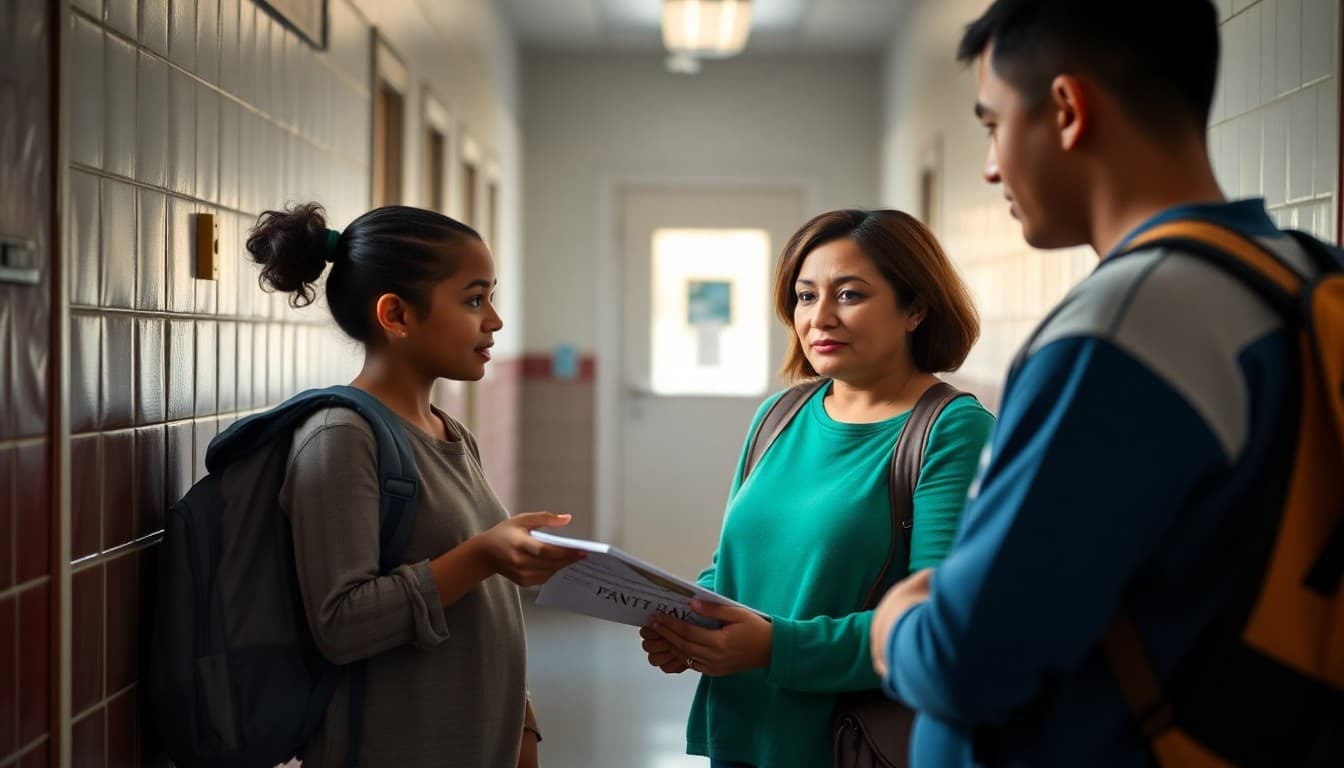
Food Insecurity Resources School Newsletter: Where to Get Help

Food insecurity affects more than 13 million children in the United States, and rural communities carry a disproportionate share of that burden. For Title I schools, a well-crafted food insecurity resources newsletter can connect families to help they did not know existed and do it in a way that feels supportive rather than shameful. This guide walks through what to include, how to write it, and how to distribute it so the families who need it most actually receive the information.
Lead With Community, Not Crisis
The framing of your newsletter determines whether families engage or feel singled out. Lead with a community lens: "We want all families in our school community to know about local food resources." That phrasing is true, non-targeted, and invites everyone to read. When families feel the information is for the whole community rather than for them specifically, they are more likely to share it with neighbors and relatives who may also benefit.
School Meal Programs Come First
Start with what the school already offers. Describe the free and reduced-price meal application process clearly, including where to find the form, how to submit it, and what income thresholds qualify. If your school participates in the Community Eligibility Provision and provides free meals to all students, say so plainly so families know no application is required. Include breakfast hours and whether students can eat breakfast when they arrive on the late bus.
Local Food Pantry Directory
Compile a short list of food pantries within a reasonable driving distance. For rural communities, 30 miles can be the outer limit families will travel. For each pantry, include the name, address, days and hours of operation, whether any identification is required, and whether an appointment is needed. A list with incomplete information is worse than no list because it sends families to a closed door. Call to verify hours before you publish.
Weekend and Holiday Food Programs
Many Title I students who eat breakfast and lunch at school go hungry on weekends. Describe any weekend backpack programs your school or district runs. If a local organization distributes food bags on Fridays, include pickup information. Before school breaks, remind families of holiday meal programs run by churches, food banks, or civic organizations. These details are most useful in November before Thanksgiving and December before winter break.
A Sample Resource Block
Here is a format you can paste directly into your newsletter:
"Pine Valley Community Resources -- Valley Food Pantry: 112 Main Street, open Tuesdays 3-6 PM and Saturdays 9 AM-noon, no appointment needed. Harvest House: 340 County Road 7, open Thursdays 4-7 PM, call 555-0143 to register. SNAP applications: visit dhs.state.gov or call 1-800-555-0100. Weekend food bags: ask your child's teacher or the front office. Summer meals start June 10 at Pine Valley Community Center, free to all children under 18, no registration required."
SNAP and WIC Enrollment Information
Families who qualify for SNAP (Supplemental Nutrition Assistance Program) or WIC (Women, Infants, and Children) may not know they are eligible or how to apply. Include your state's SNAP application website and phone number. If your school's family liaison or social worker assists with applications, say so explicitly. Some rural families avoid applying because they believe the process is too complicated or they will not qualify. A one-sentence statement of eligibility income ranges removes that barrier for many.
Summer Meal Site Information
Food insecurity intensifies during summer when school meals stop. Send a dedicated newsletter in May with every summer meal site location, hours, and eligibility rules for your county. Summer meal programs run by USDA are free to all children 18 and under with no application or income verification required. That point surprises many families. State it clearly and include the USDA Summer Food Service finder link so families can locate sites near them.
How to Ask for Help Privately
Close every food resource newsletter with a private contact option. Not every family will walk to the front office, but many will send an email or text. Provide the name and contact information for your school social worker, family liaison, or counselor and note that all conversations are confidential. A sentence like "If your family is going through a hard time right now, please reach out to Ms. Reyes at preyes@school.org or 555-0188. We are here to help." creates an on-ramp for families who are not ready to ask publicly.
Get one newsletter idea every week.
Free. For teachers. No spam.
Frequently asked questions
How should a school newsletter address food insecurity without stigmatizing families?
Frame the information as a community resource update rather than targeting any specific group. Use neutral, factual language: 'We want all families to know about food resources in our area.' Avoid phrases that imply hardship or shame. Listing resources alongside other community updates makes it feel routine rather than pointed at anyone in particular.
What food programs should rural Title I schools mention in a newsletter?
The most commonly useful programs are the school breakfast and lunch program, SNAP enrollment information, local food pantries with hours and locations, weekend food backpack programs, and summer meal sites for when school is not in session. If your state has a child and adult care food program or WIC enrollment clinic nearby, include those as well.
How often should schools send newsletters about food resources?
An annual overview at the start of the year covers the basics. Consider a follow-up in January when families are navigating post-holiday budget stress, and a reminder in May that lists summer meal sites before school lets out. Any time a new local resource opens, such as a new food bank or mobile pantry schedule, a timely newsletter update helps families access it while it is available.
What if many families in our district do not have reliable internet or phone access?
Print a one-page resource list to send home with every student. Keep it in a common area like the front office and the school clinic. Contact your county extension office, which often has printed materials in multiple languages and can distribute through community partners. Some rural schools partner with churches and local businesses to post resource information for families who may not receive school communication.
Can Daystage help schools send food resource newsletters to families?
Yes. Daystage lets you build a newsletter with local food pantry hours, SNAP enrollment links, and summer meal site locations, then send it to all families at once. You can schedule the send for the beginning of the month when budgets are typically tightest, and track which families received it without requiring families to have a separate app.

Adi Ackerman
Author
Adi Ackerman is a former classroom teacher and curriculum writer with 8 years in K-8 schools. She writes about school communication, parent engagement, and what actually works in real classrooms.
More for Rural & Title I
Ready to send your first newsletter?
3 newsletters free. No credit card. First one ready in under 5 minutes.
Get started free