
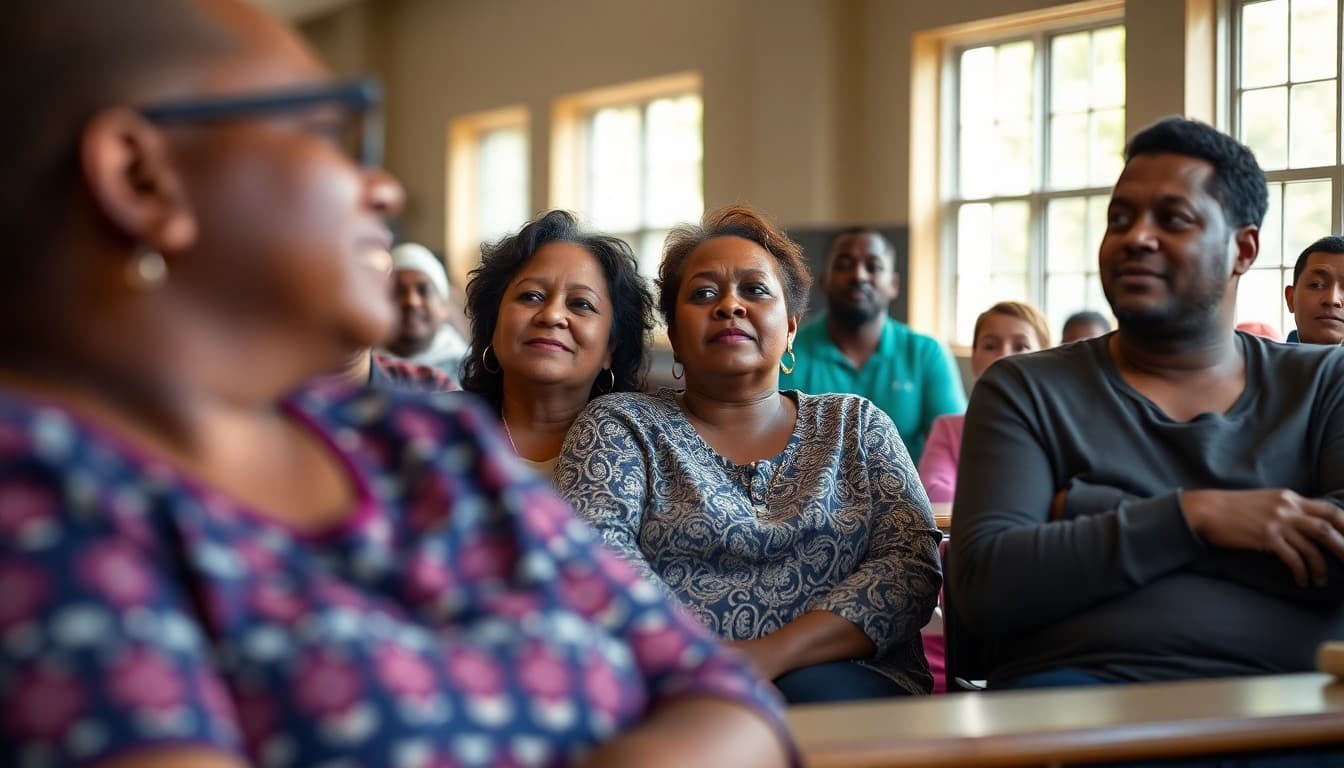
Title I School Family Communication in Georgia
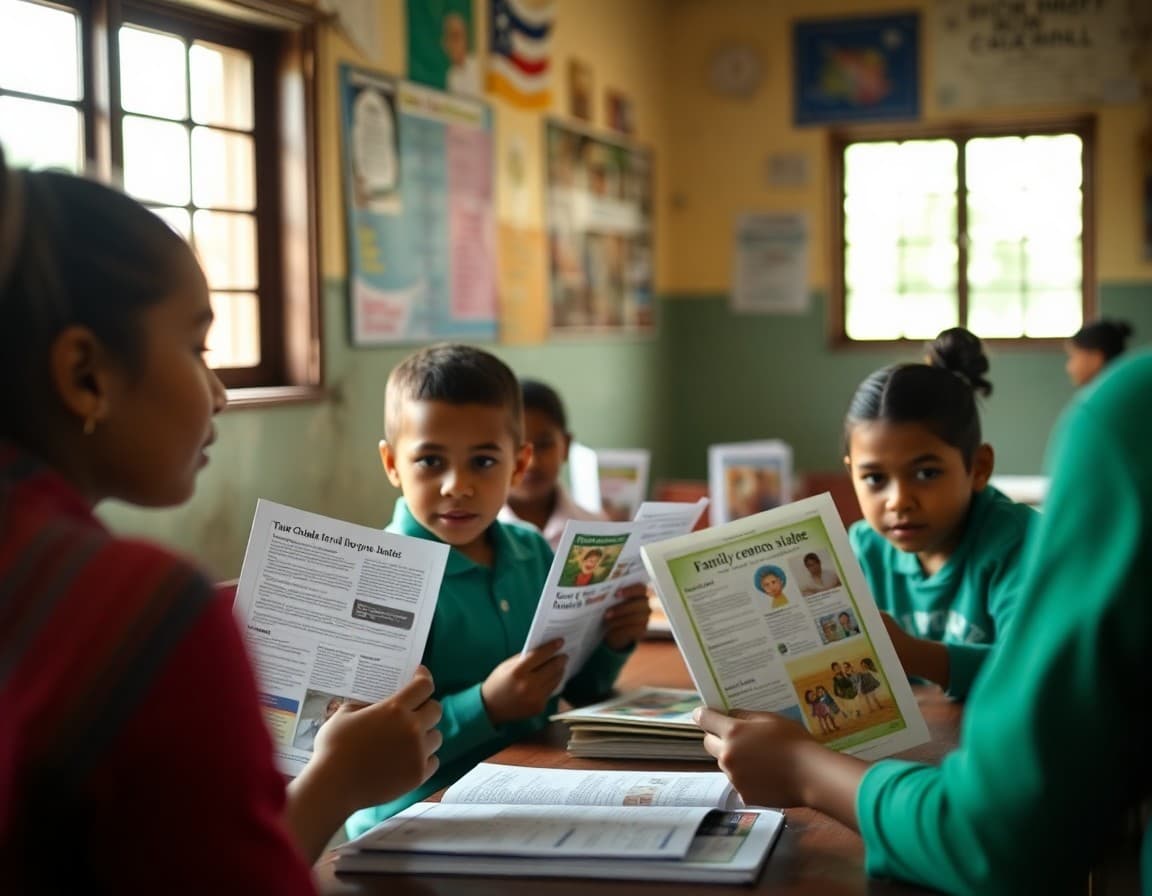
Georgia has a complex Title I landscape: impoverished rural counties in the south and west that have more in common with Mississippi than with Atlanta, a fast-growing suburban ring with immigrant communities, and urban Atlanta schools serving families across the economic spectrum. Each context requires a different approach to family communication, but all of them require more than a compliance checklist.
Georgia's Title I landscape
About 55-60% of Georgia public schools receive Title I funding. The highest concentrations are in the southwest corner of the state, where counties like Quitman (the least populous county in Georgia), Clay, Webster, and Terrell have child poverty rates above 40%. These communities have small populations and a limited economic base, and their schools often struggle to attract and retain teachers alongside the challenges of serving high-poverty families.
The Atlanta metro area has significant Title I schools in Atlanta Public Schools, the southern portions of Fulton County Schools, and DeKalb County. Gwinnett County and Hall County (home of Gainesville, a major poultry processing center) have seen rapid growth in Spanish-speaking families and have expanded Title I programs accordingly.
ESSA requirements for Georgia Title I schools
The Georgia Department of Education administers Title I through its federal programs division. Required activities under ESSA Section 1116:
- Annual meeting for all parents explaining Title I status, program content, and parent rights
- Family Engagement Policy developed with parent input, distributed at the start of the year
- School-Parent Compact provided to every family, discussed at parent-teacher conferences
- Annual notification of the right to request teacher qualification information
- At least 1% of Title I funds reserved for family engagement activities
Georgia DOE conducts periodic Title I monitoring visits and requires schools to maintain documentation of all family engagement activities.
Rural south Georgia: churches, churches, churches
In southwest and south-central Georgia, churches are the organizational backbone of community life in ways that are hard to overstate. The Black church tradition in particular is a source of social trust, collective action, and information sharing that has persisted through generations of economic hardship. A principal who attends local churches, or who invites pastors to school events, is working with the social fabric of the community rather than against it.
Announcements in church bulletins, notices on church bulletin boards, and pastoral endorsements of school engagement events are not informal workarounds. For many families in rural south Georgia, they are the most effective communication channel available.
Georgia's growing Hispanic population and language access
Georgia has seen some of the fastest Hispanic population growth of any state in the past 20 years. Gainesville is home to one of the largest poultry processing industries in the world, and the Hall County Schools serve a very large Spanish-speaking population. Forsyth and Cherokee counties, once nearly homogenous suburban communities, now have significant Spanish-speaking families.
South Georgia agricultural areas (around Tifton, Moultrie, and Valdosta) have growing Hispanic farmworker communities. Federal language access law requires schools to provide documents in Spanish when a sufficient share of families speak the language. For many Georgia Title I schools, this is not optional.
Urban Atlanta: diversity and family mobility
Atlanta Public Schools and southern Fulton County schools serve a wide range of families, from long-term residents of communities like Mechanicsville and Vine City to recent African immigrant families in neighborhoods like Clarkston (which has one of the highest refugee population densities in the country). DeKalb County's Title I schools are similarly diverse.
Family mobility in urban Atlanta is driven by housing costs and neighborhood change. Schools in rapidly gentrifying neighborhoods may see dramatic shifts in family demographics year over year. Communication systems that can adapt to high turnover are important.
Writing the School-Parent Compact for Georgia families
For rural south Georgia schools, the compact should be realistic about what families can do. Many parents are working two jobs or have limited education themselves. "We will talk with our child about school each day and check that they have their materials" is achievable. "Parents will review the online gradebook weekly" assumes internet access that not every family has.
School commitments that Georgia Title I families respond to: specific communication timelines, clear descriptions of what Title I programs the school provides, and a statement about what to do if a parent has a concern. Making the compact a genuine communication tool rather than a liability waiver takes conscious effort.
Annual meeting and engagement event strategies
Combining the annual Title I meeting with a larger school event consistently improves attendance in Georgia. Some schools run a brief Title I orientation before a school play or talent show, capturing families who would not attend a standalone meeting. Offering food and childcare helps. In south Georgia, offering the meeting at a church or community center rather than at the school building can lower the barrier for families who have complicated feelings about school institutions.
Newsletters and consistent communication
A consistent weekly newsletter is the connective tissue of family communication throughout the year. In Georgia's rural south, where print still reaches families that email does not, combining a digital newsletter with a printed copy sent home with students covers the most ground. Schools using Daystage send newsletters that arrive inline in email, without a separate click required, improving open rates across all demographics. That consistency is what makes the annual meeting attendance, the compact signing, and everything else more effective.
Get one newsletter idea every week.
Free. For teachers. No spam.
Frequently asked questions
What ESSA requirements apply to Georgia Title I schools?
Georgia Title I schools must hold an annual meeting for all parents explaining Title I status and parent rights, develop and distribute a Family Engagement Policy with parent input, provide every family a School-Parent Compact, reserve at least 1% of Title I allocation for family engagement activities, and notify parents annually of the right to request teacher qualifications. The Georgia Department of Education monitors Title I compliance through its federal programs division.
Where are Title I schools concentrated in Georgia?
Georgia's Title I schools are concentrated in south Georgia's rural counties (the state's own version of the Black Belt, including counties like Quitman, Clay, Webster, and Stewart), the urban core of Atlanta (Fulton, DeKalb, and Atlanta Public Schools), and mid-sized cities like Macon, Albany, and Columbus. The Savannah area and eastern Georgia coastal counties also have significant Title I schools. Roughly 55-60% of Georgia public schools receive Title I funding.
How do Georgia's rural south counties approach family engagement?
Southwest and south-central Georgia counties have among the highest poverty rates in the state. Many families work in agriculture, poultry, or manufacturing, often with shift schedules that make evening events difficult. Churches are deeply important in these communities and serve as effective communication partners. Schools that maintain relationships with local pastors often see better family engagement than those that rely solely on formal school communications.
What languages do Georgia Title I schools need to support?
Spanish is the primary non-English language in most Georgia Title I schools, with significant Spanish-speaking populations in Atlanta suburbs (Gwinnett, Cobb, Hall counties), south Georgia agricultural areas, and Gainesville. Georgia has one of the fastest-growing Hispanic populations in the South, and many Title I schools have seen rapid demographic shifts. Some Atlanta-area schools also serve significant refugee and immigrant populations speaking Somali, Burmese, Nepali, and other languages.
What newsletter tool works for Georgia Title I schools?
Daystage is used by Georgia schools across urban and rural contexts to send consistent newsletters. For bilingual families, Daystage supports adding Spanish sections alongside English content. The inline email delivery without separate click-throughs works well on mobile connections in south Georgia rural areas. Schools using Daystage typically report higher open rates than schools using link-based newsletter distribution.

Adi Ackerman
Author
Adi Ackerman is a former classroom teacher and curriculum writer with 8 years in K-8 schools. She writes about school communication, parent engagement, and what actually works in real classrooms.
More for Rural & Title I
Ready to send your first newsletter?
3 newsletters free. No credit card. First one ready in under 5 minutes.
Get started free