
Migrant Family School Newsletter: Serving Mobile Agricultural Families
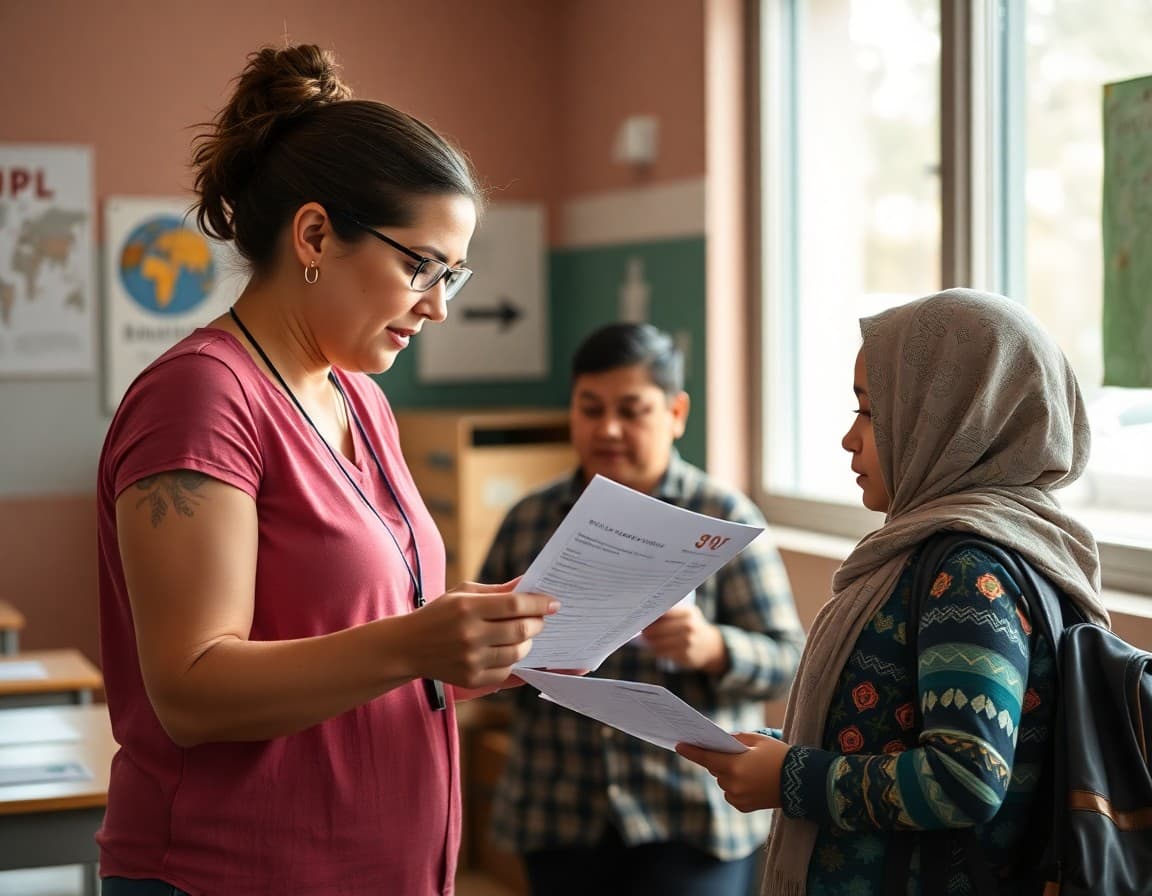
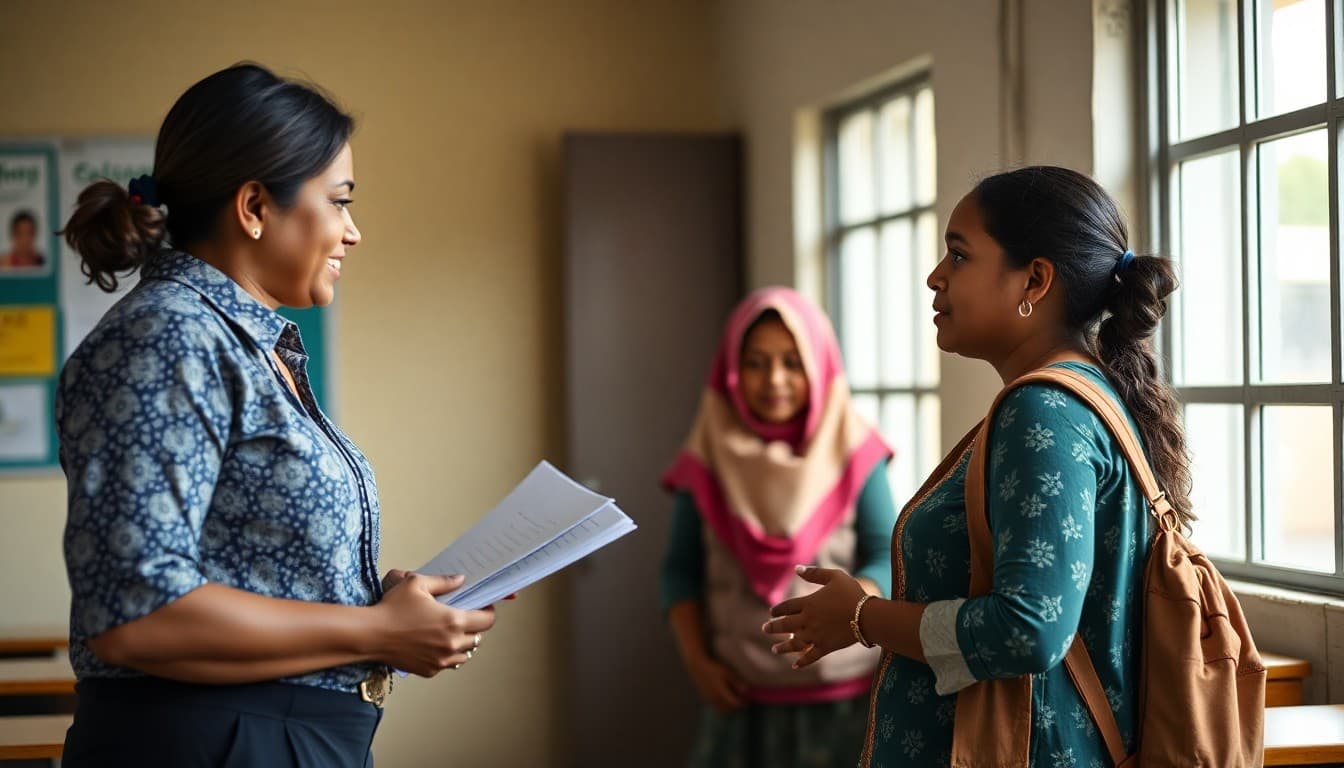
Migrant agricultural worker families move with the harvest, which means their children often attend multiple schools in a single year. When a child arrives at your school in October after starting the year somewhere else, the school's response in those first few days shapes whether the family trusts the institution enough to engage with it fully or holds back, expecting to move again soon. A newsletter that communicates genuine welcome, clear rights information, and specific support services is part of that response.
Make the Welcome Section Permanent and Bilingual
Unlike most schools that publish orientation information only in August, a school serving migrant families needs to publish it in every issue, because new families arrive throughout the year. This section should appear consistently at the top or bottom of every newsletter:
New to Our School? / ¿Es Nuevo en Nuestra Escuela?
Welcome to [School Name]. Every student has the right to enroll, regardless of documentation status.
Bienvenidos a [School Name]. Todo estudiante tiene derecho a inscribirse, sin importar su estado de documentación.
To enroll: Bring proof of age (birth certificate, passport, or other document) and any school records you have. If you do not have records, we can still enroll your child.
Para inscribirse: Traiga prueba de edad y cualquier expediente escolar que tenga. Si no tiene expedientes, aún podemos inscribir a su hijo/a.
Contact: [Name], [phone], [email]. Spanish-language assistance available.
Explain Migrant Education Program Services
Many families who qualify for Migrant Education Program services do not know the program exists or what it provides. Your newsletter is one of the most direct ways to change that. "If your family moves for seasonal agricultural or fishing work, your child may qualify for the Migrant Education Program, known as Title I Part C. This program provides supplemental tutoring, health screenings, educational materials, and family outreach at no cost. To find out if your child qualifies, contact our Migrant Education coordinator at [name and contact]. Qualification is based on the family's work, not immigration status."
Communicate How Student Records Transfer
One of the most practical challenges for migrant families is ensuring their child's academic records follow them from school to school. Explain the Migrant Student Records Exchange Initiative (MSIX) in plain language. "If your child has attended school in another state before, we can request their records through a national system that helps migrant students' records transfer quickly. You do not need to track down records yourself. Please tell our enrollment coordinator which schools your child has attended, and we will handle the request." That information removes a significant barrier to enrollment and engagement.
Describe What the First Week at School Looks Like
Migrant students who have changed schools before often dread the first week at a new school. A newsletter section describing specifically what the school does to support new students reduces that anxiety. "When a new student enrolls, here is what the first week looks like: Day 1: the counselor meets with the student for 30 minutes to hear about their previous school experience and answer any questions. The student is paired with a buddy who speaks their language if possible. Day 2-3: we assess where the student is in reading and mathematics so we can place them in the right groups immediately. Week 1: the teacher checks in with the student daily. Parents may call [name] at any time with questions."
Publish Upcoming Seasonal Information Families Need
Migrant families often need to know school information in advance to plan their seasonal moves. A section that covers school schedule breaks, enrollment deadlines, and key academic dates with enough lead time helps families who are planning their next move coordinate around the school calendar when possible. "Our school is in session through [date]. Families who plan to stay through the end of the semester should know that [key dates]. If your family leaves before [date], please let us know so we can prepare your child's records for transfer."
Recognize Migrant Students Without Singling Them Out
Migrant students are often academically resilient despite significant disruption, and they bring knowledge and experience that other students lack. Recognize the community's contributions and the students' strengths without making them feel labeled or set apart. A cultural celebration, a unit on agricultural history, or a spotlight on the food systems that rural agricultural work sustains celebrates the community's contribution without requiring migrant students to represent their entire community in front of their peers.
Connect Families to Community Resources
Many migrant families need support beyond what the school can provide: housing assistance, health services, legal aid, and food assistance. A resource section in each newsletter, updated for the current community, points families toward help they may not know how to find. "Community resources for agricultural worker families in [county]: [List organizations, phone numbers, and services in plain language with translations]. If you need help accessing any of these services, our family liaison at [name and contact] can assist you."
Get one newsletter idea every week.
Free. For teachers. No spam.
Frequently asked questions
How do we make a newsletter welcoming to migrant families who may arrive mid-year from a different state or country?
Write an orientation section that appears in every issue, not just the fall issue, explaining the school's enrollment process, what families need to bring, what services are available, and who to contact for help. Migrant families arrive throughout the school year and deserve the same orientation information that fall-enrolled families receive. Make the orientation section bilingual in any language spoken by your migrant population.
What rights do migrant students have that families should know about?
Migrant students qualify for services under Title I Part C, the Migrant Education Program, which provides supplemental academic support, health services, and family outreach. Families should know that migrant students cannot be denied enrollment due to lack of documentation, that their records can transfer between states through the Migrant Student Records Exchange Initiative, and that they have the right to translation and interpretation services during enrollment. Your newsletter should state these rights clearly.
How do we communicate with families who speak limited English?
Publish your newsletter in both English and Spanish at minimum. If your migrant population includes speakers of Indigenous languages from Mexico or Central America, such as Mixtec, Zapotec, or K'iche, provide verbal communication through a qualified interpreter and send visual newsletters with images that communicate key information independently of the text. Partner with community organizations that serve migrant workers in your area to reach families through their existing networks.
How do we address the school disruption that comes from families moving mid-year?
Name the disruption honestly and describe what the school does to support continuity. 'We know that changing schools mid-year is hard for children. Here is what we do to make that transition as smooth as possible' followed by specific supports, a student buddy system, a meeting with the counselor on day one, and an assessment of where the student is academically before placing them in groups, is more useful than pretending the disruption does not affect students.
Can Daystage help a rural school publish a bilingual newsletter for migrant families?
Yes. Daystage supports rich text formatting that can accommodate both English and Spanish content in the same newsletter. You can build a template with consistent section headers in both languages and update the content each month. For schools that serve migrant families throughout the year, having a newsletter that does not require rebuilding each time a new family arrives is especially practical.

Adi Ackerman
Author
Adi Ackerman is a former classroom teacher and curriculum writer with 8 years in K-8 schools. She writes about school communication, parent engagement, and what actually works in real classrooms.
More for Rural & Title I
Ready to send your first newsletter?
3 newsletters free. No credit card. First one ready in under 5 minutes.
Get started free