
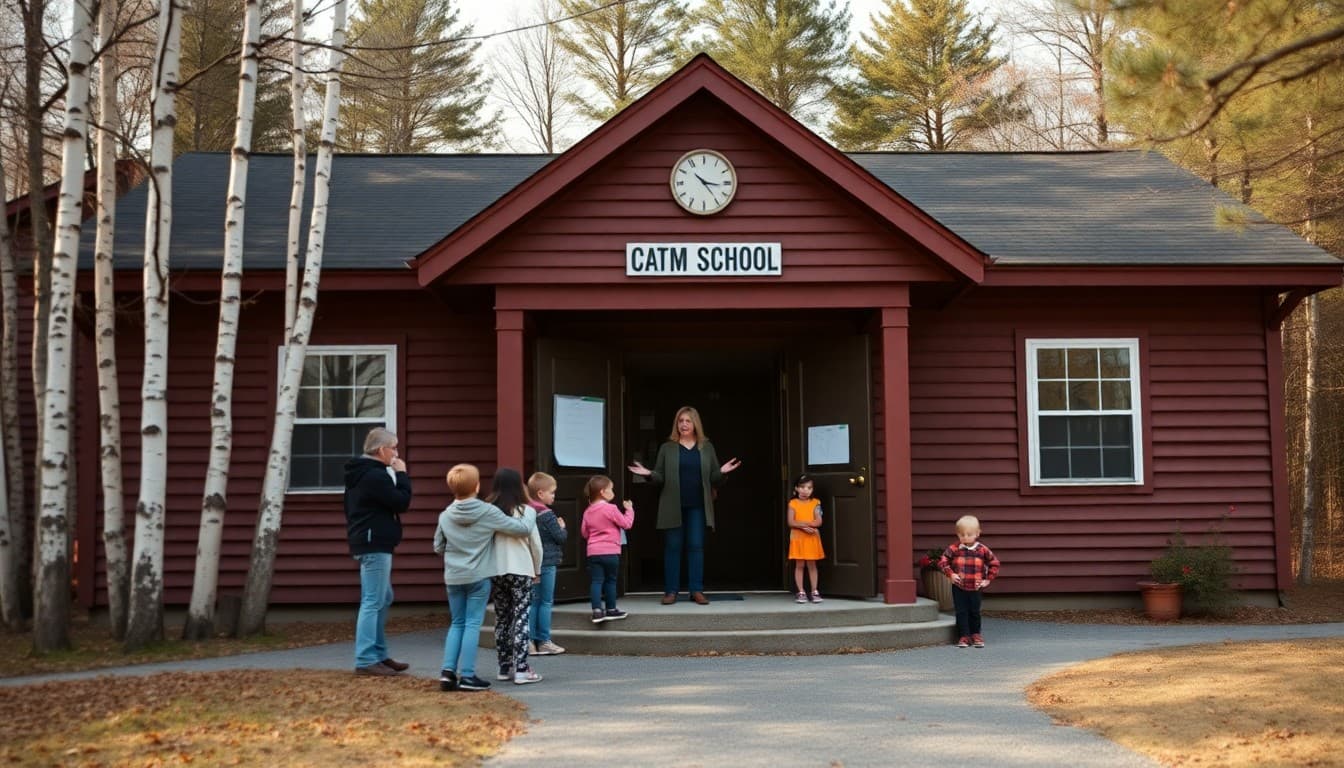
Rural School Communication Strategies for Maine Educators
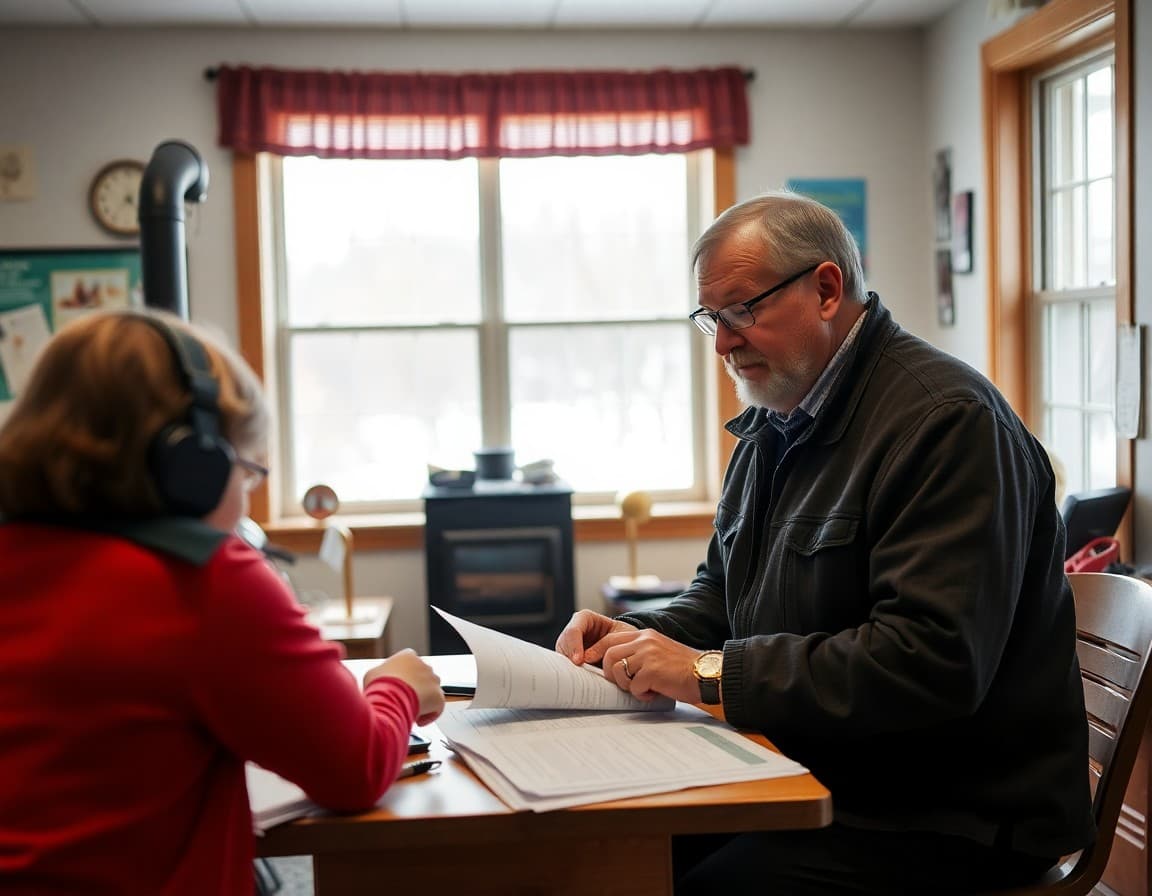
Maine is the most rural state east of the Mississippi River, and some of its communities are genuinely isolated in ways that most of the country is not. The communications infrastructure that educators in more connected states take for granted, reliable broadband, consistent cell service, easy access to community gathering places, does not exist uniformly across Maine's vast interior.
Downeast Maine: Isolation and Connectivity
Washington County has the lowest population density east of the Mississippi and one of the highest poverty rates in New England. Many families live on remote roads accessible only by gravel or dirt. Cellular service is spotty. Broadband is limited. For schools in this region, paper newsletters sent home with students are the primary communication channel. Digital supplements it for the families who have access. Any communication system built on the assumption of reliable internet will exclude a significant portion of Washington County families.
Wabanaki Communities: Tribal Partnership
Schools serving Penobscot Nation and Passamaquoddy families operate in a context of tribal sovereignty. Communication that acknowledges this, that partners with tribal education departments rather than treating tribal families as a subset of the general school population, builds the trust that makes other communication effective. Working through tribal community liaisons for distribution and for cultural review of communications is standard practice for effective engagement with Wabanaki families.
Western Mountains: Winter Isolation
Oxford and Franklin counties in the western mountains can be genuinely cut off by winter storms. Logging roads become impassable. Power can be out for days. The communication system for weather emergencies needs to work without electricity and without internet. A phone tree through trusted community members, posted notices at the general store, and prior agreement with families about emergency protocols handles what digital systems cannot during extreme winter weather.
Somali and Immigrant Families in Rural Maine
While Lewiston-Auburn is primarily urban, some Somali and Congolese families have settled in rural Maine communities. Schools serving these families need Somali or French-language communication options. Partnering with immigrant resettlement organizations for translation and community outreach is more effective than expecting these families to navigate English-only institutional communications.
Winter Weather Communication Protocol
Establish the protocol in September and communicate it clearly: which channel the school uses for closures, what time the decision is announced, and what families should do if they cannot receive the first notification. Include this in the first newsletter and post it at the school entrance. Maine families who have been navigating winter school closures for years are not confused by the protocol. New families are. The newsletter that covers it explicitly serves both.
Food and Economic Resource Communication
Maine's rural counties have significant food insecurity, particularly Downeast and in the Penobscot Valley. The newsletter should consistently include free meal program information, food pantry locations, and seasonal food resource information like SNAP deadline reminders. Write it simply, without stigma language, and make it easy for families to act on.
Title I Communication in Small and Isolated Schools
Maine has many small Title I schools in isolated communities. The newsletter is the most reliable delivery mechanism for required annual communications. Daystage lets small Maine rural school staffs manage these communications efficiently and track which families have received them.
Maine rural educators who build communication systems matched to the state's genuine isolation, tribal community partnerships, and winter weather reality maintain stronger family engagement than those using systems designed for more connected environments.
Get one newsletter idea every week.
Free. For teachers. No spam.
Frequently asked questions
What communication challenges are specific to Maine rural schools?
Washington County in Downeast Maine has the lowest population density east of the Mississippi and limited broadband. The western mountain region has isolated communities accessible only by logging roads in winter. Penobscot Nation and Passamaquoddy tribal communities have specific communication preferences. Maine also has a growing Somali immigrant population in some rural communities near Lewiston-Auburn.
How should Maine rural school educators approach winter weather communication?
Maine rural schools cancel for winter weather more than almost any other state. Snow emergencies, ice storms, and below-zero cold snaps are routine. The communication protocol for weather closures should be established in September and reinforced in the first newsletter: which channels the school uses, what time decisions are announced, and what families should do when they cannot reach anyone. Families who know the protocol before the first storm of the year are calmer when it happens.
How do Maine rural schools communicate with Wabanaki tribal community families?
Penobscot Nation families near Indian Island and Passamaquoddy families in Indian Township and Pleasant Point have distinct cultural communication preferences and tribal sovereignty. Schools serving these communities work best when they partner with tribal education departments for communication design and distribution. Communication that acknowledges tribal identity and works through community networks is more effective than standard institutional newsletters.
What digital access barriers do Maine rural educators face?
Downeast Maine, the western mountains, and the north woods have some of the least connected communities in New England. Many families rely on satellite internet with data caps or on limited cellular service. Paper newsletters remain essential. The Maine Connectivity Authority is working to improve rural broadband, but current coverage is inconsistent.
What newsletter tool works for Maine rural schools in isolated communities?
Daystage lets Maine rural educators send lightweight newsletters that load on slow connections and track which families are engaging with communications. Schools use it alongside paper systems to run communication that reaches families regardless of their digital access.

Adi Ackerman
Author
Adi Ackerman is a former classroom teacher and curriculum writer with 8 years in K-8 schools. She writes about school communication, parent engagement, and what actually works in real classrooms.
More for Rural & Title I
Ready to send your first newsletter?
3 newsletters free. No credit card. First one ready in under 5 minutes.
Get started free