
Rural School Communication Strategies for Idaho Educators
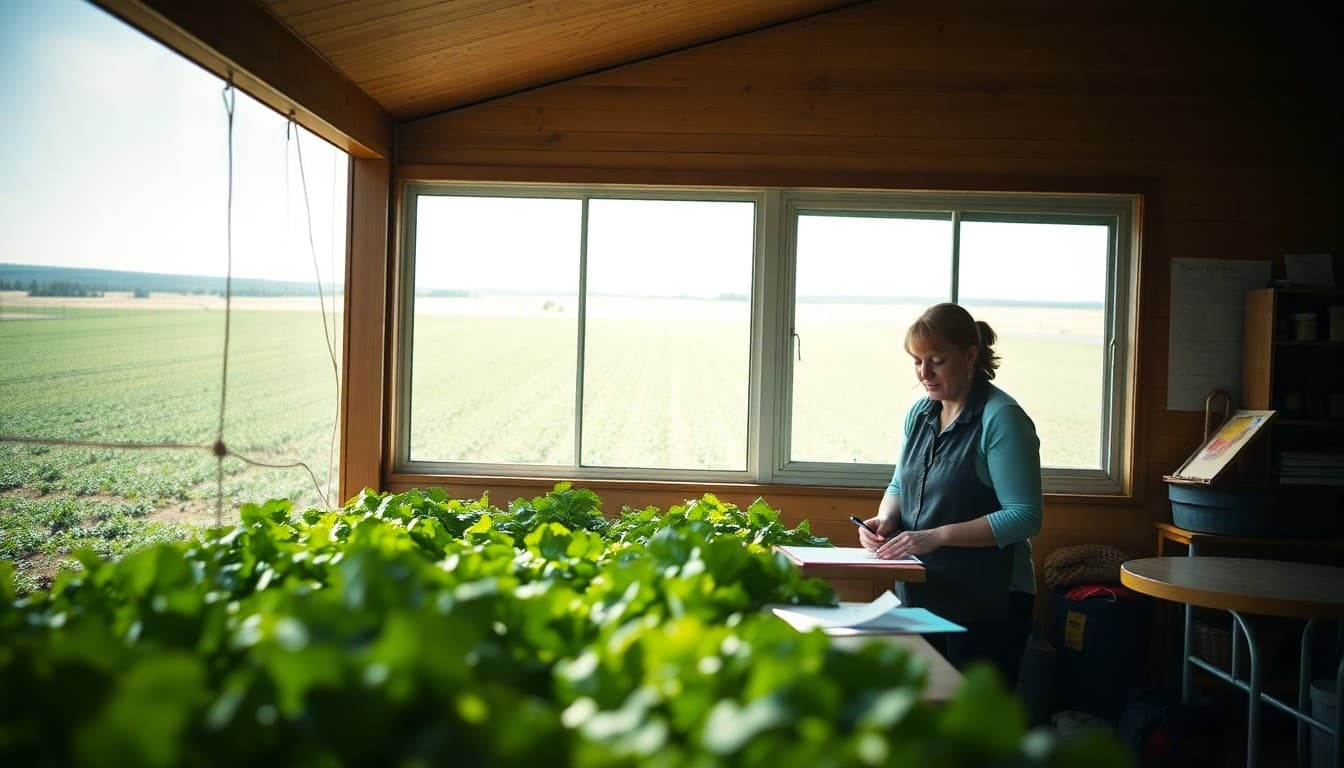
Idaho is one of the most geographically varied states in the country, and its rural school communities reflect that variety. The Snake River Plain, the Rocky Mountain ranges, the high desert, and the northern Panhandle each present distinct communication challenges for educators. A strategy built for one region will not serve another.
Snake River Valley: Agricultural Community Communication
The Magic Valley and upper Snake River areas have major Hispanic agricultural communities. Potato farming, dairy, and other agricultural industries have brought generations of families to communities like Twin Falls, Burley, and Rupert. Many of these families are English-Spanish bilingual. Grandparent caregivers may speak primarily Spanish. A bilingual newsletter is the baseline for inclusive communication in these districts.
Fort Hall and Tribal Communities: Sovereignty and Partnership
Schools serving Shoshone-Bannock families at Fort Hall work within a context of tribal sovereignty. Communication that positions the school as a partner with the tribe rather than an institution operating on tribal land builds trust. Working with tribal education departments and tribal liaisons for communication design and distribution is standard practice for effective family engagement in these communities.
Mountain Ranch Communities: Distance and Connectivity
Central Idaho's mountain counties include some of the least densely populated areas in the continental United States. Families on ranches may be 30 or more miles from school. Limited broadband and spotty cellular service make digital-only communication unreliable. Paper newsletters sent home with students, supplemented by a school phone communication system for urgent updates, serve these families better than digital-first systems.
Seasonal Agricultural Schedules
Potato harvest in the fall and planting in the spring are the dominant rhythms for many Idaho agricultural families. Meetings scheduled during harvest season will be poorly attended. Newsletters that acknowledge the harvest schedule and communicate key information in multiple formats build goodwill with agricultural families. A school that says "We know harvest is underway. Here are this week's essentials" demonstrates that it understands its community.
Food Program Communication
Idaho's rural counties have significant food insecurity, particularly in communities tied to seasonal agricultural employment. Free and reduced lunch information, summer food sites, and school pantry resources should appear in newsletters consistently. Plain language, no stigma, specific about how families access the resource.
Title I Requirements and Newsletter Documentation
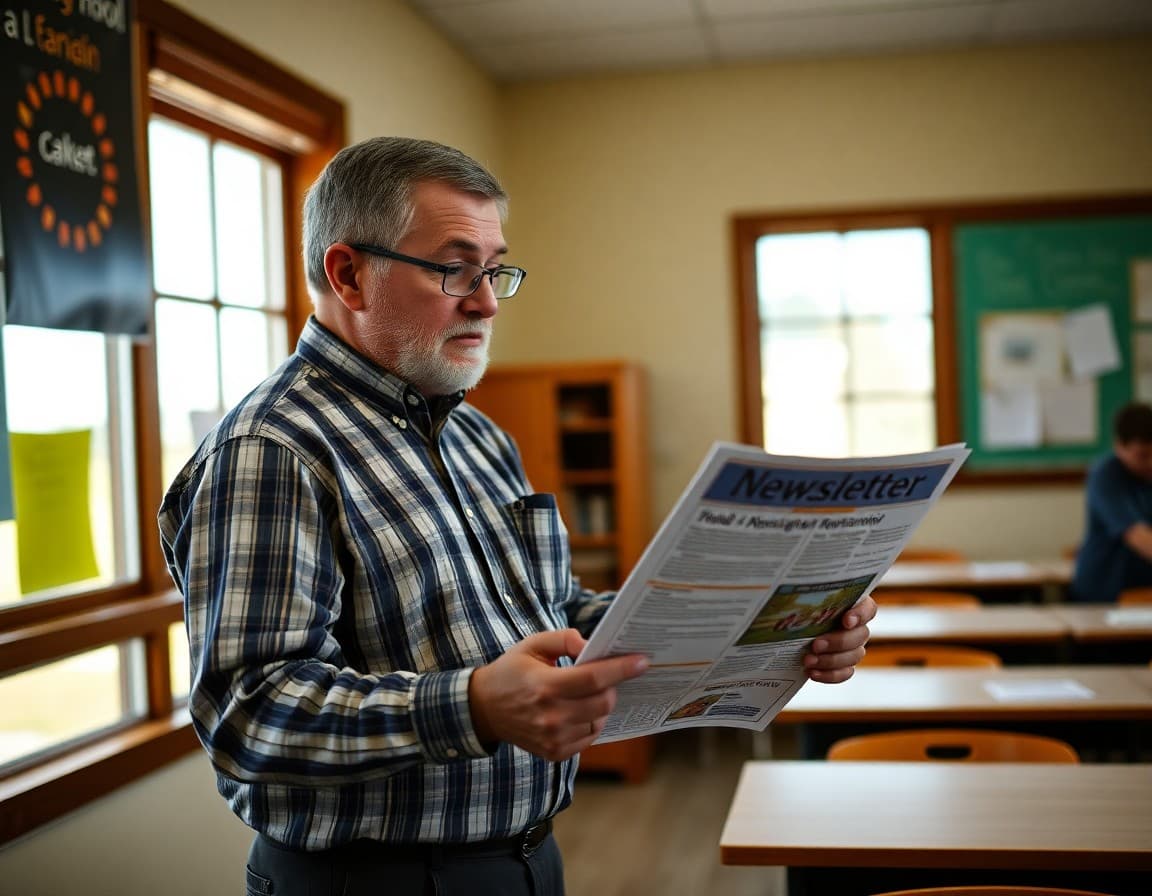
Idaho Title I schools must distribute parent involvement policies and school-parent compacts annually. The newsletter is the most consistent delivery vehicle. Daystage tracks open rates so schools have documentation of which families received which communications, a record Title I coordinators need for program reviews.
Community Distribution for Families Without Digital Access
Post printed newsletters at the co-op, the feed store, the county library, and any community gathering points in the school's area. In agricultural communities, these are the places families gather regularly. A 15-minute posting route on newsletter day extends reach to families who will not receive the communication any other way.
Idaho rural educators who build communication systems matched to their community's language, geography, and seasonal rhythms maintain stronger family engagement and better Title I outcomes. The newsletter is the foundation of that system.
Get one newsletter idea every week.
Free. For teachers. No spam.
Frequently asked questions
What communication challenges are specific to Idaho rural schools?
The Snake River Plain has large Hispanic agricultural communities where Spanish is the primary home language. The Fort Hall Reservation and other tribal lands have Native American communities with distinct communication preferences. Mountain and ranch communities in central Idaho have families spread across vast distances with limited broadband. Each context requires a different approach.
How should Idaho rural school educators communicate with Spanish-speaking agricultural families?
The Magic Valley and upper Snake River Valley have significant Spanish-speaking populations tied to potato farming, dairy, and other agricultural industries. Spanish newsletters or bilingual summaries are the baseline. Many families in these communities have been in Idaho for generations, while others are recent immigrants. Both groups deserve communication in their primary language.
How do Idaho rural schools communicate effectively with Native American families?
Fort Hall and the Coeur d'Alene Reservation serve tribal communities with specific cultural communication preferences. Communication that acknowledges tribal sovereignty, uses community-appropriate language, and works through trusted community members and tribal liaisons reaches these families more effectively than standard institutional communication.
What digital access barriers do Idaho rural educators face?
Much of rural Idaho, particularly in the mountains and on the Snake River Plain outside of major towns, has limited or unreliable broadband. Many families use cellular data as their primary internet connection. Newsletters need to load on mobile connections and have paper backup systems for families without reliable digital access.
What newsletter tool supports Idaho rural school communication across diverse contexts?
Daystage lets Idaho rural educators send lightweight newsletters that load on limited connections and track engagement so staff can identify families who need printed copies or phone follow-up. Schools use it to manage bilingual content and to document Title I family engagement requirements.

Adi Ackerman
Author
Adi Ackerman is a former classroom teacher and curriculum writer with 8 years in K-8 schools. She writes about school communication, parent engagement, and what actually works in real classrooms.
More for Rural & Title I
Ready to send your first newsletter?
3 newsletters free. No credit card. First one ready in under 5 minutes.
Get started free