
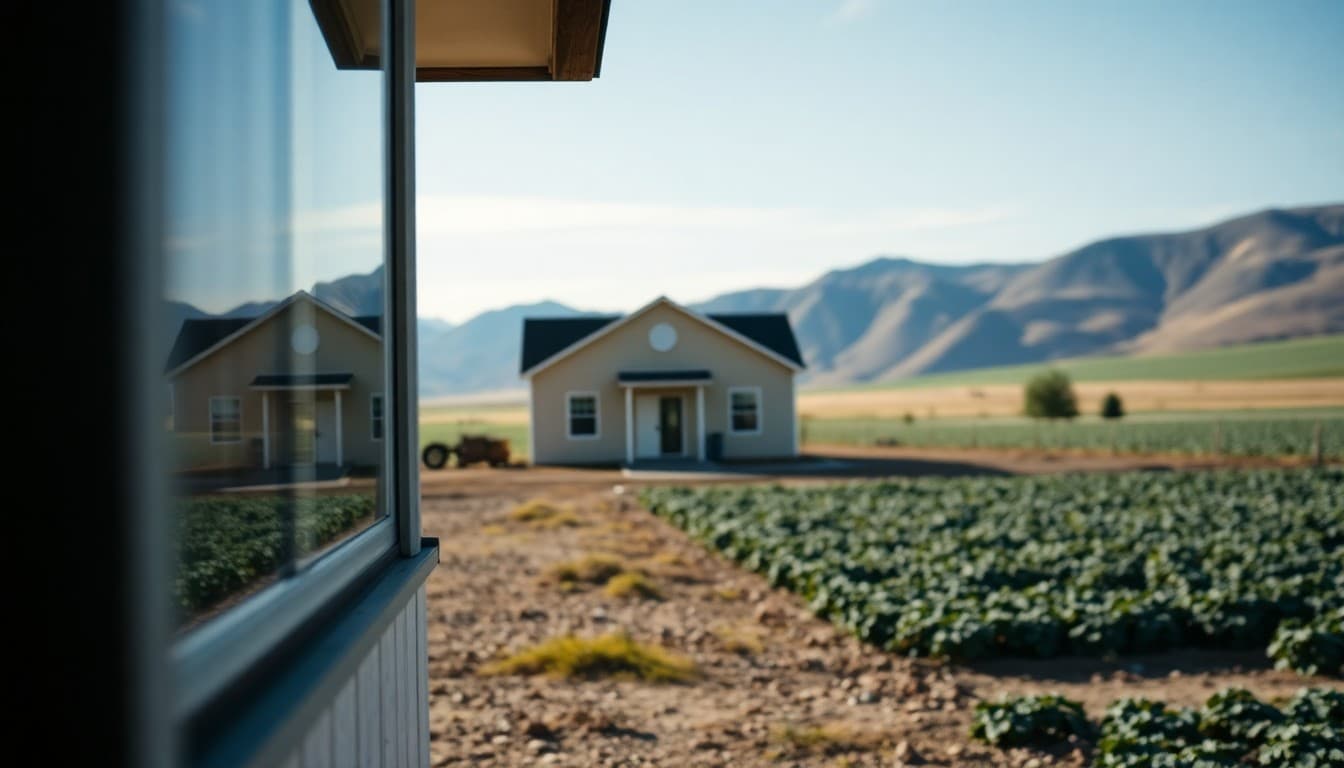
Idaho Rural School Newsletter Guide for Farming and Mountain Communities
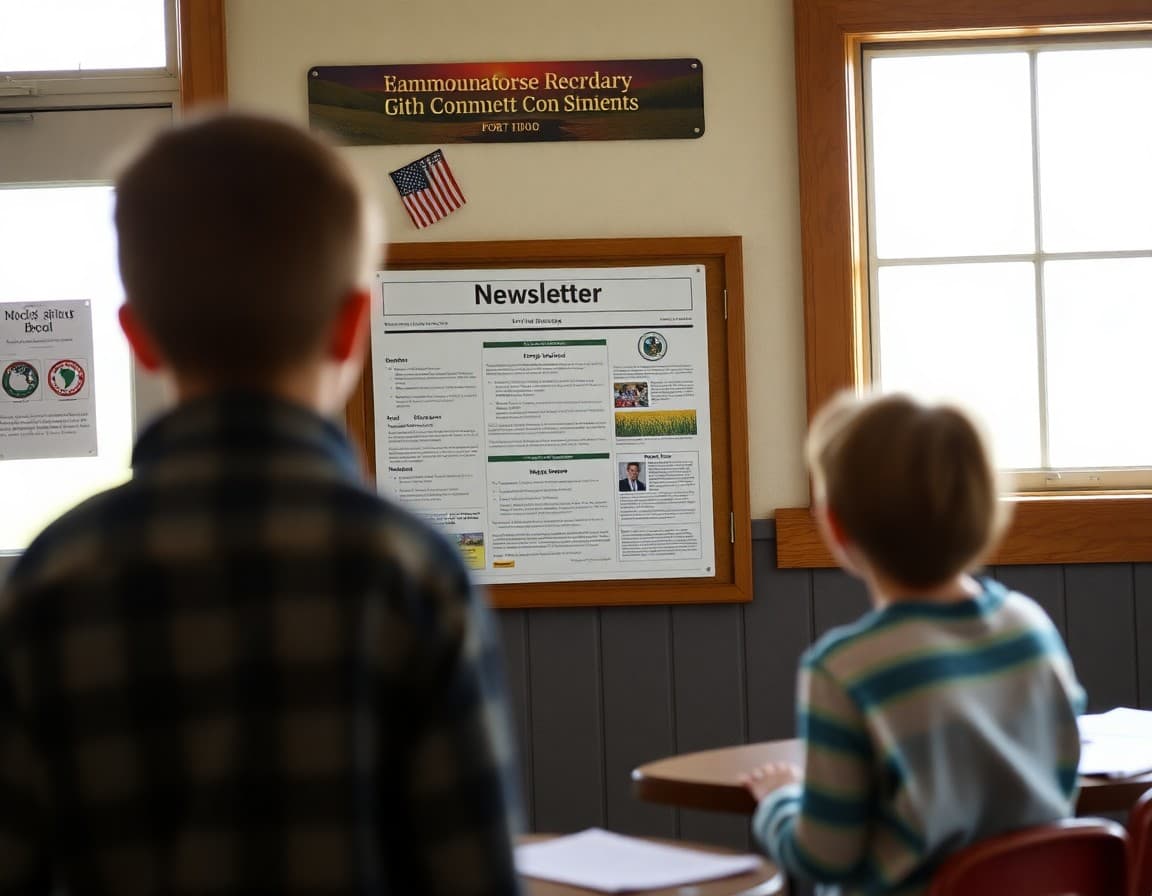
A teacher in Jerome County, Idaho sends her newsletter in both English and Spanish every Thursday. Her class has 14 students whose families work on dairy operations. Most of the Spanish-speaking parents she serves have been in Idaho for years, but still prefer Spanish for school communications. The bilingual format took 30 minutes to set up once and now saves her explanation time every week. The families who used to ignore the English-only version call now with questions.
Idaho's Rural School Communication Landscape
Idaho is 85% rural by land area, but its rural communities are very different from each other. The Snake River Plain from Twin Falls to Boise is agricultural, with dairy, potato, and sugar beet operations employing large numbers of migrant and seasonal workers. The central Idaho mountains from Salmon to McCall are remote, with small towns connected by long mountain roads. The northern panhandle near Sandpoint and Bonners Ferry has timber and mining communities. Each context needs a tailored communication approach.
Agricultural Community Communication in the Snake River Plain
Twin Falls, Gooding, Minidoka, and Cassia counties have high concentrations of dairy and agricultural workers, many of them Spanish-speaking families from Mexico or other parts of the American West. Newsletters in English only leave a significant portion of the school community uninformed. A bilingual format or Spanish-language version is the appropriate default for schools where Spanish is spoken by more than 20% of families.
Mountain and Panhandle School Communication
Custer, Lemhi, and Clearwater counties in central Idaho have among the lowest population densities in the lower 48 states. Families in these areas often rely on satellite internet with data caps, and cell coverage is limited in valleys. Newsletters need to be plain-text, under 10KB, and distributed in print through the school and any community gathering points. The panhandle's Boundary and Bonner counties have better connectivity but similar geographic dispersion.
What Every Idaho Rural School Newsletter Should Include
Five items per issue: key dates, meal program information, one Title I resource notice, schedule or bus changes, and a student recognition. For agricultural communities, add harvest season acknowledgment and re-enrollment contact in fall. For mountain schools, add weather closure protocol every September. Keep total reading time under three minutes.
Food Security in Idaho Rural Communities
Idaho has significant food insecurity in agricultural and rural mountain communities despite its agricultural output. Many families in the dairy and potato industry are low-wage workers who qualify for free and reduced meals. Newsletters should communicate meal availability plainly: "Free breakfast starts at 7:30. All students are welcome." For migrant families arriving mid-year, explaining the free meal application process in both languages removes a practical barrier.
Title I Communication Requirements
Idaho Title I schools must distribute their parent engagement policy and school-parent compact to families. The newsletter is the right delivery mechanism. A quarterly section with a summary of available Title I services, including tutoring, parent workshops, and family resource access, keeps families informed of benefits they may not know exist. Daystage lets you build these sections once and reuse them quarterly.
Migrant Education Program Information
Idaho has a strong Migrant Education Program that provides services to children of agricultural workers. The newsletter should include the MEP contact number in every issue, not just when enrollment season opens. Families who move between districts mid-year need this information to re-enroll smoothly, and the newsletter is the most reliable place they will find it.
Community Distribution Points
In small Idaho communities, the feed store, the hardware store, and the local diner are gathering points where posted newsletters reach families who do not check email. For agricultural communities, the labor housing office or the migrant camp bulletin board is a direct channel to the families most likely to miss digital communications. Building a printed distribution network takes a few hours to set up and then runs itself each week.
Idaho rural schools that build newsletter systems matching their community's language and access reality reach the families who most need consistent communication. The newsletter is how trust is built and sustained across the long distances and seasonal patterns that define rural Idaho school life.
Get one newsletter idea every week.
Free. For teachers. No spam.
Frequently asked questions
What communication challenges do Idaho rural schools face?
Idaho's rural schools span the Snake River Plain, the mountains of central Idaho, and the panhandle in the north. Agricultural communities in Twin Falls and Gooding counties have large Hispanic migrant populations. Mountain counties like Custer and Lemhi have geographic isolation and very limited broadband. Both contexts need different newsletter approaches.
How should Idaho schools communicate with migrant farmworker families?
Idaho's potato, sugar beet, and dairy industries bring migrant workers, particularly Spanish-speaking families, from other states and Mexico. A bilingual newsletter or Spanish summary covers the most critical communication need. The Migrant Education Program number should appear in every newsletter for families who may move mid-year.
How do Idaho mountain school communities handle broadband gaps?
Central and eastern Idaho mountain counties have minimal broadband coverage. Plain-text email that loads on 3G or satellite connections, paired with printed copies distributed through the school or local trading post, covers most families. Consistency matters more than format complexity.
What content is most useful for Idaho rural families?
Meal program information, bus schedule changes, Title I tutoring availability, and testing dates are the core content needs. For agricultural communities, harvest schedule conflicts are worth acknowledging. For mountain communities, weather closure procedures matter every fall.
What newsletter tool works for Idaho rural schools?
Daystage sends lightweight newsletters and provides open-rate analytics so teachers can identify which families need printed copies or phone follow-up instead of digital delivery alone.

Adi Ackerman
Author
Adi Ackerman is a former classroom teacher and curriculum writer with 8 years in K-8 schools. She writes about school communication, parent engagement, and what actually works in real classrooms.
More for Rural & Title I
Rural School Newsletter Guide: Communication Strategies for Small and Remote Schools
Rural & Title I · 7 min read
Rural School Bilingual Family Newsletter: How Schools Communicate Across Language Barriers
Rural & Title I · 5 min read
Rural School Weather Closure Newsletter: How Schools Communicate Closures and Emergency Decisions
Rural & Title I · 5 min read
Ready to send your first newsletter?
3 newsletters free. No credit card. First one ready in under 5 minutes.
Get started free