
Rural School Communication Strategies for Iowa Educators
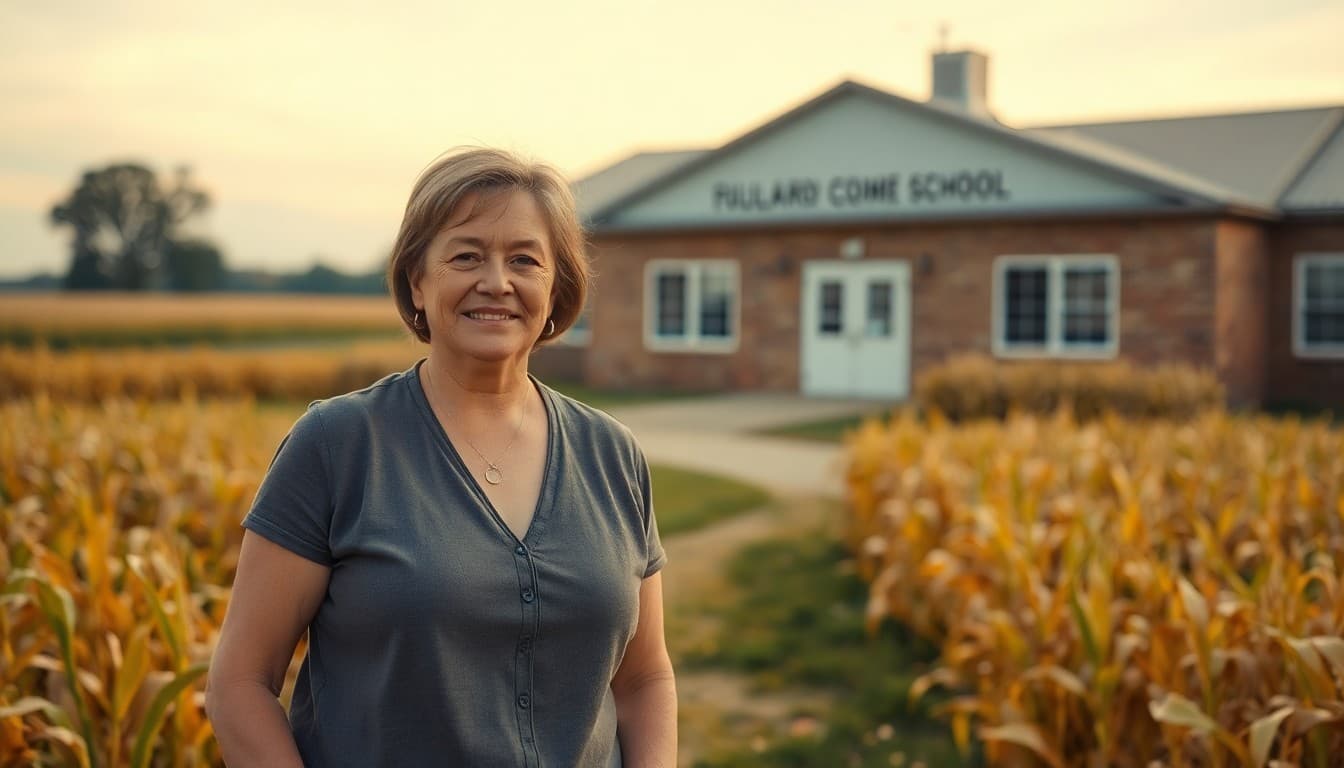
Iowa is synonymous with agriculture, and its rural school communities are built around the rhythms of corn, soybean, hog, and cattle production. Overlaid on that agricultural base are meatpacking communities that have brought significant Hispanic, Karen, and other immigrant populations to small Iowa towns. Effective communication strategies for Iowa rural educators address both the farming calendar and the language diversity of these communities.
The Farming Calendar Shapes Communication Timing
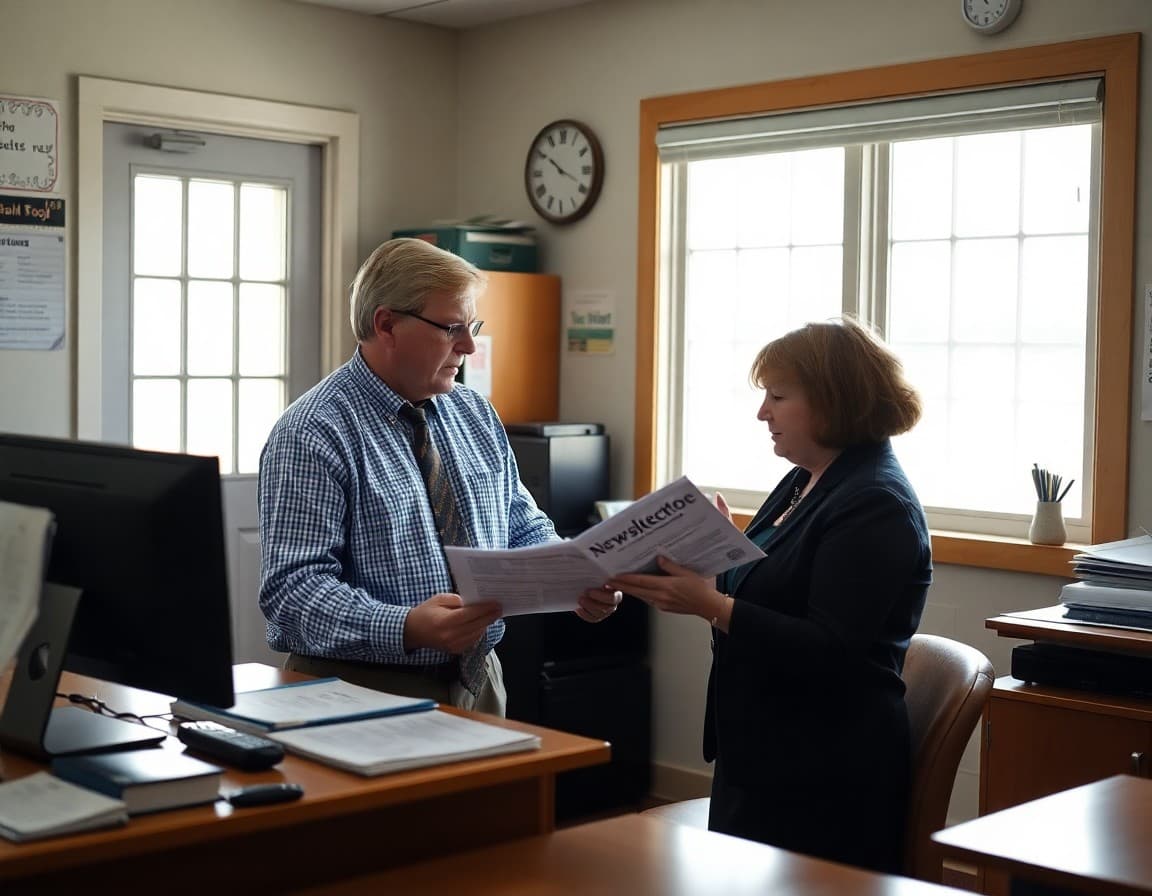
Spring planting and fall harvest drive everything in Iowa farming communities. April through mid-May and September through November are the periods when farm families are least available. Family engagement events during these windows will have low attendance regardless of how good the communication is. The newsletter is what keeps families connected during busy seasons. Short, consistent, and delivered at a predictable time builds the habit that sustains the relationship.
Storm Lake, Marshalltown, and Perry: Meatpacking Community Communication
Iowa's meatpacking towns have been home to Hispanic communities for decades. More recently, Karen, Sudanese, and Somali populations have joined these communities through refugee resettlement. Schools in these towns serve the most linguistically diverse student populations in the state. Spanish newsletters are the baseline. For Karen and other refugee community languages, partnering with resettlement organizations for translation and communication support is the most practical approach.
Small District, Small Staff: Sustainability Matters
Many Iowa rural school districts have under 300 students and a single principal who handles administrative duties without a dedicated communications staff. A communication system that a principal can maintain alone needs to be simple. A newsletter template that takes 20 minutes to update and sends with one click is sustainable. A system that requires design work, manual translation, and separate distribution lists is not.
Food Program and Economic Resource Communication
Iowa's rural meatpacking and agricultural communities have significant food insecurity. Free and reduced lunch reminders, summer food sites, and school pantry information should appear in newsletters consistently without stigma language. Seasonal workers and processing plant workers who experience income volatility throughout the year need this information to be easy to find and apply to their situation.
Connectivity and Paper Backup
Northwest Iowa and communities along the Missouri River have limited broadband coverage. Even in areas with better coverage, farm families often do not check email until evening. Sending newsletters in the early evening, after barn chores, when families are most likely to have a free moment, increases open rates. Paper copies sent home with students cover families who miss the digital version.
Title I Communication Requirements
Iowa Title I schools must share parent involvement policies and school-parent compacts with families annually. The newsletter is the most consistent delivery vehicle. Daystage tracks which families have opened which issues, providing documentation for state program reviews without requiring separate record-keeping.
Community Pride Is a Communication Asset
Iowa rural schools are often the most important institution in their communities. A newsletter that celebrates the school and its students, the 4-H wins, the basketball team, the drama production, builds the relationship that makes families responsive when the school needs input or action. Do not underestimate the value of community pride content alongside Title I compliance information.
Iowa rural educators who design communication for their community's actual schedules, language needs, and staffing constraints build the kind of family engagement that holds through seasons, through economic cycles, and through year-to-year enrollment changes.
Get one newsletter idea every week.
Free. For teachers. No spam.
Frequently asked questions
What communication challenges are specific to Iowa rural schools?
Iowa's rural schools predominantly serve farming communities with seasonal work schedules that affect family availability. Meatpacking communities in Storm Lake, Marshalltown, and Postville have significant Hispanic and Karen populations with language access needs. Small rural districts often have limited administrative staff, making a simple, sustainable communication system essential.
How should Iowa rural educators communicate during corn and soybean harvest?
October harvest is the busiest season for Iowa farm families. School meetings during harvest are poorly attended. The newsletter becomes the primary family communication channel. Keep it to three to five items, send it at a consistent time, and make sure the most critical information is in the first paragraph. Families who are starting before sunrise will scan rather than read.
How do Iowa rural schools reach Spanish-speaking and Karen families in meatpacking communities?
Storm Lake, Marshalltown, Perry, and Postville have substantial Hispanic populations and, in some cases, significant Karen refugee communities from Myanmar. Both groups require communication in their primary languages. Spanish resources are more readily available. Karen translation requires community partnership with resettlement organizations.
What digital access barriers do Iowa rural educators face?
Many rural Iowa counties have limited broadband coverage, particularly in northwest Iowa and along the Missouri River border. Mobile data is the primary internet access for a significant portion of rural families. Newsletters should load quickly on 3G connections. Paper backup systems remain essential.
What newsletter tool supports Iowa rural school communication with small staff teams?
Daystage lets Iowa rural educators build and send professional newsletters in under 30 minutes and tracks engagement so staff know which families need follow-up. Schools use it to manage multilingual content and to meet Title I family engagement documentation requirements without a dedicated communications coordinator.

Adi Ackerman
Author
Adi Ackerman is a former classroom teacher and curriculum writer with 8 years in K-8 schools. She writes about school communication, parent engagement, and what actually works in real classrooms.
More for Rural & Title I
Ready to send your first newsletter?
3 newsletters free. No credit card. First one ready in under 5 minutes.
Get started free