

Free and Reduced Lunch Newsletter: How to Apply and What to Expect
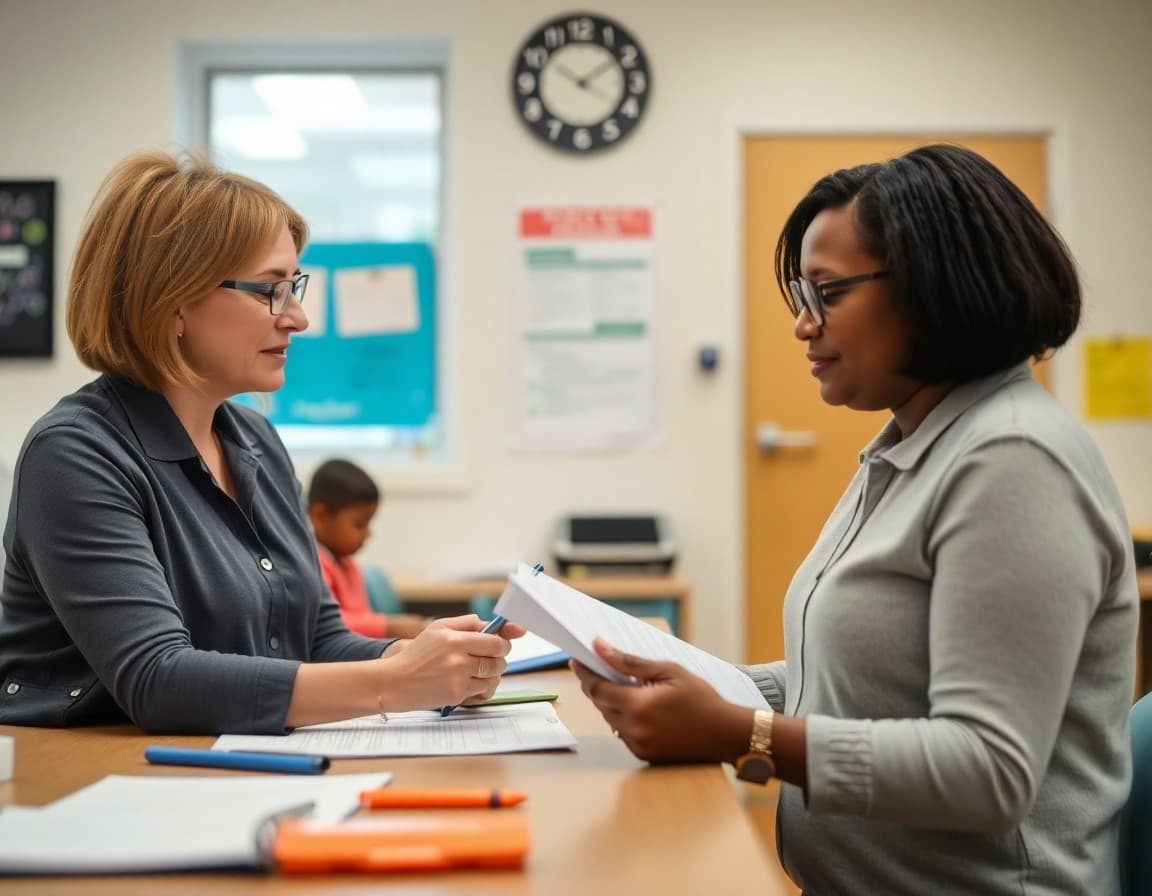
The free and reduced lunch program is one of the most direct ways a school can address food insecurity, but only if families know about it, understand how to apply, and feel comfortable doing so. Many eligible families do not apply because the process seems complicated, they worry about stigma, or they do not realize they qualify. A well-written newsletter removes all three barriers. This guide covers how to write that communication in plain, welcoming language that serves every family who is eligible.
Lead With Who Qualifies
Start with the income thresholds so families can quickly assess whether to read further. "Your household may qualify for free or reduced-price school meals. For the 2026-27 school year, the income limits are: Free meals: household income at or below $40,626 for a family of 4. Reduced-price meals (breakfast: $0.30, lunch: $0.40): household income between $40,627 and $57,973 for a family of 4. Use these as a guide. The exact amounts depend on your household size. A table with all household sizes is available at the main office and at [link]."
Explain the Application Process Step by Step
Here is a template for the application process section:
How to Apply: Free and Reduced-Price Meals
Step 1: Get a form. Pick up a paper form at the main office, or complete the application online at [link]. The form is available in English and Spanish.
Step 2: Fill it out. You will need: the names of all children in the household, the names and last four digits of Social Security numbers for all household members who earn income, and your household's current monthly gross income from all sources. If you receive SNAP, TANF, or Medicaid, write your case number and you may qualify automatically.
Step 3: Return the form. Bring it to the main office, mail it to [address], or submit it online. We will process it within three school days.
Step 4: You will receive a letter by mail or email with your determination. If you qualify, benefits start the next school day after approval.
Questions: Call [name] at [phone] or email [email].
Explain Direct Certification
Families who receive SNAP, TANF, or Medicaid may be automatically certified without an application. Many families do not know this. "If your household currently receives SNAP (food stamps), TANF (welfare), or Medicaid, your child may already be approved for free meals without submitting a separate form. We check state benefit records at the start of each year. If your child is directly certified, you will receive a notification letter. If you receive this letter but are not sure what it means, contact our office at [phone]."
Address Common Concerns Directly
Two concerns prevent eligible families from applying: worry about stigma and worry about immigration consequences. Address both. "All applications are confidential. No one at the school will know your family's eligibility status unless they have a need to know, and we have strict policies about who accesses this information. Additionally, participation in the free and reduced lunch program is not considered in public charge determinations and does not affect immigration status. If you have questions, contact our family liaison at [contact] for a confidential conversation."
Explain What Happens at the Lunch Line
For families worried about their child being identified as a free meal recipient in front of peers, explain how the process works at your school. "All students use the same lunch account system. No one can tell from watching whether a student's account is paid, free, or reduced-price. The cafeteria staff does not distinguish between accounts in any visible way. Your child will go through the same line and receive the same meal as every other student."
Explain What Happens to Accounts With Negative Balances
Families who have outstanding balances on their lunch accounts sometimes avoid the program out of embarrassment. Address this directly. "If your account has a negative balance, please contact the cafeteria manager at [contact]. We do not refuse meals to students with negative balances during the school day. We work with families on repayment plans and connect families who are struggling with balances to free meal certification. No student at our school goes without lunch."
Remind Families That Benefits Do Not Roll Over Automatically
Free and reduced meal eligibility must be renewed every school year. Families who qualified last year need to reapply or be re-certified through direct certification. "If your family qualified for free or reduced meals last year, your eligibility does not carry over automatically unless you receive direct certification notification from us. Submit a new application at the start of each school year. If your household income or composition has changed since last year, apply even if you were not eligible before. Income thresholds are updated annually."
Get one newsletter idea every week.
Free. For teachers. No spam.
Frequently asked questions
When should schools publish information about the free and reduced lunch program?
Publish at the start of every school year, at the midpoint of the year when families may have experienced income changes, and any time there are changes to eligibility criteria or the application process. Some families who were ineligible in September become eligible later in the year due to job loss or other income changes. Regular communication ensures they know to reapply.
How do we communicate about the program without stigmatizing families who qualify?
Frame the program as a school resource available to any family that qualifies, not as a poverty program for families in need. Normalize the application by noting that many families qualify and that applying costs nothing. Avoid language that implies families who qualify are failing financially. 'Many working families qualify for this program' is more accurate and less stigmatizing than framing that implies only the very poorest families qualify.
What is direct certification and how does it work?
Direct certification is a federal process that automatically certifies children for free meals without a separate application if the household participates in SNAP, TANF, or FDPIR, or if the child is in foster care, migrant, homeless, or a runaway. Schools check these lists at the start of each year. Families who are directly certified should receive notification but do not need to submit a paper application. Your newsletter should explain this so families who receive direct certification letters understand what they mean.
What income thresholds qualify for free versus reduced-price meals?
Eligibility is based on household size and gross income. Free meals are available to households at or below 130 percent of the federal poverty level. Reduced-price meals (lunch cost no more than $0.40) are available to households between 130 and 185 percent of the federal poverty level. A family of four earning up to $40,626 annually currently qualifies for free meals (2024-25 thresholds). Include current thresholds in your newsletter with the caveat that they are updated annually.
Can Daystage help a school send free and reduced lunch information to all families at the start of the year?
Yes. Daystage lets you build a dedicated newsletter or newsletter section for this content and send it to your full family subscriber list at the start of the year. You can also build a Spanish or bilingual version for families who are more comfortable reading in Spanish. The platform's open-rate tracking lets you identify families who may not have received or opened the communication, which helps you prioritize follow-up outreach.

Adi Ackerman
Author
Adi Ackerman is a former classroom teacher and curriculum writer with 8 years in K-8 schools. She writes about school communication, parent engagement, and what actually works in real classrooms.
More for Rural & Title I
Ready to send your first newsletter?
3 newsletters free. No credit card. First one ready in under 5 minutes.
Get started free