
Rural School Communication Strategies for Delaware Educators
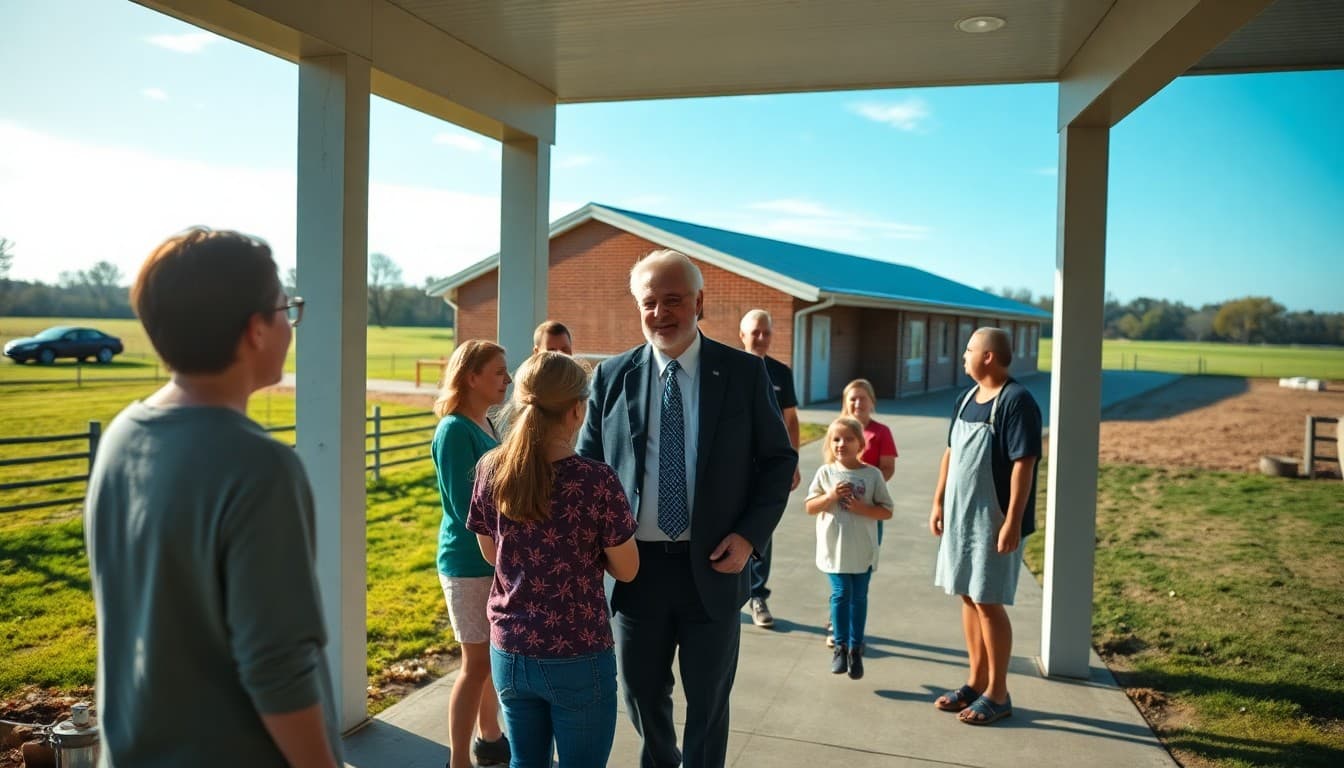
Delaware is a small state, but its rural school districts in Sussex and southern Kent counties face communication challenges that are anything but small. Poultry processing communities, agricultural worker families, and low-income rural households require communication approaches that account for language, work schedules, and digital access barriers all at once.
Sussex County: Bilingual Communication Is the Baseline
Sussex County has one of the largest concentrations of Spanish-speaking families in Delaware, centered around communities like Georgetown and Seaford. For schools in this region, an English-only newsletter is not comprehensive communication. It reaches part of the family population. A Spanish section in every newsletter, or a parallel Spanish-language version, is the baseline for genuine family engagement.
Poultry Processing Families: Shift Work and Schedule Constraints
Many Sussex County families work shifts at chicken processing plants with schedules that change week to week. A parent who works 4 AM to noon cannot attend a 3 PM school meeting. The newsletter communicates regardless of when families are working. Making sure the newsletter arrives consistently, is short enough to read in five minutes, and includes clear contact information for follow-up questions makes it useful for families whose schedules do not align with school hours.
Agricultural and Seasonal Worker Families
Some Delaware rural families follow agricultural work across state lines during harvest seasons. Students may be enrolled for part of the year, leave for harvest season, and return. A newsletter that includes a consistent re-enrollment section and a direct phone number for families managing mid-year transitions removes friction from that process. McKinney-Vento rights information should be included once or twice a year for families who may not know that their child has transportation and enrollment protections during housing transitions.
Keep Newsletters Short and Load-Light
Many families in rural Delaware rely on prepaid phones with limited data. A newsletter that downloads quickly on a 3G connection serves these families. One that embeds large images, videos, or PDFs does not. Under 100KB for the email version. Plain text option available. Paper copies sent home with students as a parallel channel.
Food Program and Resource Information
Delaware's rural counties have high rates of free and reduced lunch program participation. The newsletter is the right channel for program reminders: application deadlines, summer food site locations, and school pantry schedules. Write these simply and directly, without language that implies families should feel hesitant to use the resource.
Title I Documentation and the Newsletter
Delaware Title I schools distribute parent involvement policies and school-parent compacts each year. Using the newsletter as the primary distribution channel creates a communication record. When Title I coordinators need to document family notification, open-rate tracking from the newsletter platform provides that evidence.
Community Gathering Points for Print Distribution
For families without digital access, posting printed newsletters at community gathering points extends reach. In Sussex County agricultural communities, churches that serve Spanish-speaking congregations, the public library, and community health clinics are consistent posting points. A 15-minute posting route on newsletter day costs little and reaches families who would otherwise be excluded.
Delaware rural educators who design communication for their community's actual language, work schedule, and connectivity conditions build the kind of family trust that sustains engagement through Title I reviews, school improvement cycles, and year-to-year enrollment challenges.
Get one newsletter idea every week.
Free. For teachers. No spam.
Frequently asked questions
What communication challenges are specific to Delaware rural schools?
Sussex County and southern Kent County have large Latino poultry processing communities where Spanish is the primary home language. Some families have irregular schedules tied to shift work at chicken processing plants. Agricultural and seasonal worker families may move during harvest seasons. These factors all affect which communication channels and formats work best.
How should Delaware rural schools approach newsletter translation for Spanish-speaking families?
Sussex County has one of the highest concentrations of Spanish-speaking families in Delaware. A Spanish-language newsletter or bilingual newsletter is the standard, not the exception, for schools in this region. Translation should be reviewed by a Spanish-speaking staff member or community liaison. Relying solely on machine translation for legal or Title I notices is insufficient.
How do Delaware rural schools communicate with seasonal agricultural worker families?
Families who follow agricultural work may be enrolled at the school for only part of the year. Communication systems should include a clear re-enrollment protocol, transportation information, and a point of contact for families returning after a season away. The newsletter should present this as standard and welcoming, not exceptional.
What digital access challenges do Delaware rural educators face?
Southern Delaware has limited broadband coverage in some areas, and many agricultural worker families rely on prepaid mobile phones with limited data. Lightweight newsletters that load quickly on 3G connections are more accessible than image-heavy HTML formats. Paper copies sent home with students remain essential for families with limited digital access.
What tool supports Delaware rural school communication across language and access barriers?
Daystage lets Delaware rural educators send bilingual or multilingual newsletters and track which families are engaging with communications. Schools use it to identify families who have not opened newsletters and need a printed copy or phone follow-up, and to manage Title I family engagement documentation.

Adi Ackerman
Author
Adi Ackerman is a former classroom teacher and curriculum writer with 8 years in K-8 schools. She writes about school communication, parent engagement, and what actually works in real classrooms.
More for Rural & Title I
Ready to send your first newsletter?
3 newsletters free. No credit card. First one ready in under 5 minutes.
Get started free