

Rural School Communication Strategies for Connecticut Educators
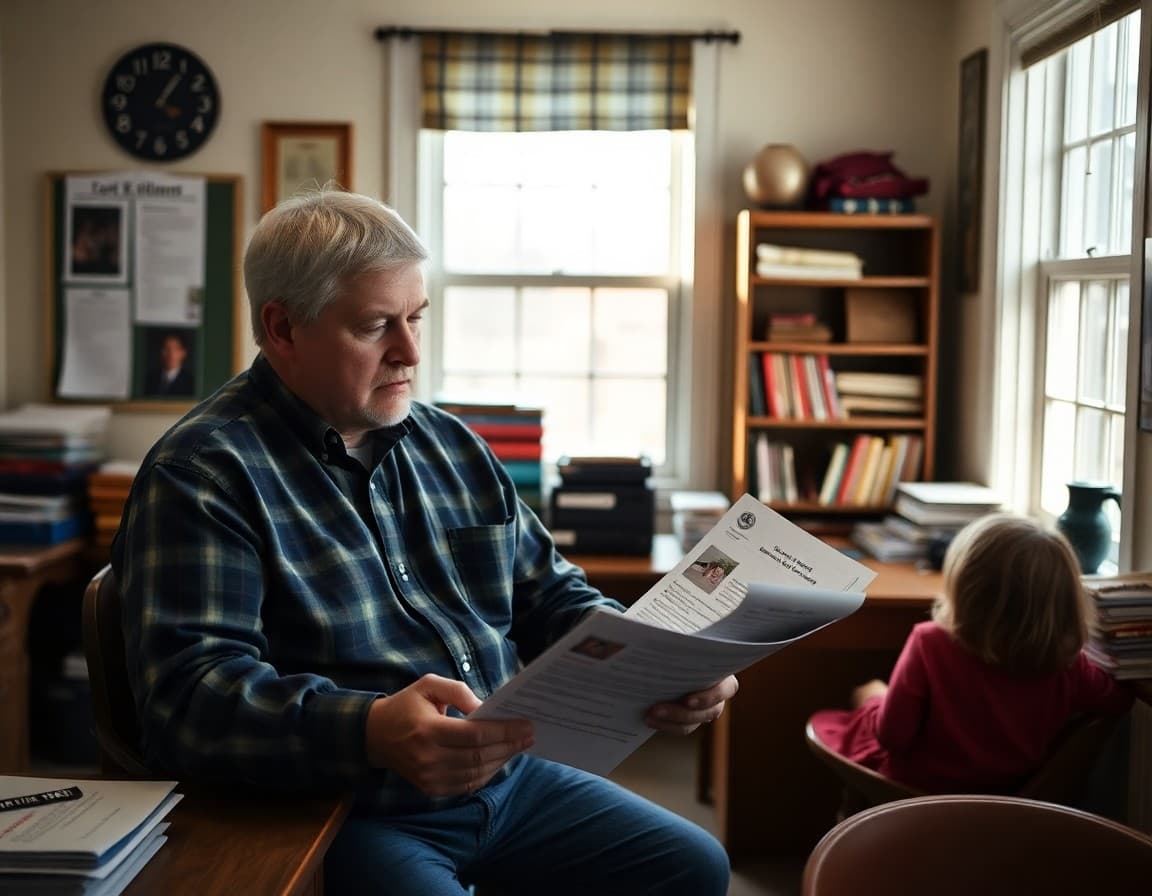
Connecticut is not known as a rural state, but its eastern and northwestern corners include small farming communities, mill towns, and low-income school districts that face many of the same communication challenges as rural schools in larger states. The difference is that Connecticut rural schools often have fewer resources to address those challenges.
Small Staff, Consistent Communication
A Connecticut rural school serving 200 students may have a single principal who also handles discipline, a part-time secretary, and teachers who are managing their own classrooms without a dedicated communications coordinator. The communication system has to fit into that reality. A newsletter template that can be updated in 20 minutes is the right tool. A complex platform that requires training and significant time investment is not.
Windham County: Spanish-Speaking Families in a Rural Context
Windham County, particularly around Willimantic, has significant Puerto Rican and Dominican communities. These families are in a rural context but face the same language-access barriers as families in urban districts. A Spanish-language version of the newsletter, or a bilingual summary section, is the baseline for inclusive communication in this region. The translation does not need to be perfect. It needs to convey the essential information accurately.
Tolland and Windham Counties: Low-Income Family Communication
Rural poverty in Connecticut is concentrated in the eastern part of the state. Schools in these communities serve families who may be working multiple jobs, experiencing housing instability, or navigating public assistance programs. Resource information in the newsletter, presented without stigma, serves these families directly. Food program updates, clothing assistance, utility bill help, and health resource referrals belong in the newsletter every month.
Seasonal Agricultural Context
Some Connecticut rural schools serve families involved in dairy farming, tobacco farming in the Connecticut River Valley, and pick-your-own operations in the northwest hills. Harvest seasons affect family availability for meetings and events. A newsletter that acknowledges seasonal schedules and offers to communicate key information in alternative formats when families cannot attend in person builds goodwill with agricultural family populations.
Digital Access Among Older Family Members
Some Connecticut rural communities have significant populations of older grandparent caregivers who may have limited digital literacy or no smartphone. Paper newsletters or phone calls are the right communication channel for these families. Open-rate tracking helps identify them. A printed copy sent home with a student costs almost nothing and ensures those families are not excluded from school communications.
Title I Annual Communication Requirements
Connecticut Title I schools distribute parent involvement policies and school-parent compacts at the start of each year. Using the newsletter as the primary distribution vehicle creates a documented record of family notification. Daystage tracks open rates so schools have evidence of which families received which communications.
Community Identity in the Newsletter
Small Connecticut rural schools are often community institutions in a way that larger suburban schools are not. The newsletter has room to celebrate that. A paragraph about the school's history, a student achievement spotlight, a community event preview builds the relationship between the school and the families it serves. That relationship is what sustains engagement beyond Title I minimum requirements.
Connecticut rural educators who design communication systems that fit their community's language, digital access, and staffing reality see stronger family engagement than those who use a default approach. The newsletter is the most accessible place to make that fit visible.
Get one newsletter idea every week.
Free. For teachers. No spam.
Frequently asked questions
What are the main communication challenges for Connecticut rural schools?
Connecticut rural schools are often small, with limited administrative staff to manage communication. Some rural towns in Windham and Tolland counties have significant Spanish-speaking and low-income family populations. Broadband availability is better than in many rural states, but older residents and lower-income families may not have reliable access or digital literacy.
How should Connecticut rural educators approach family engagement with limited staff?
Efficiency matters when one person is managing communications for a school of 150 students. A newsletter template that takes 20 minutes to update each week is sustainable. One that requires an hour of formatting is not. Building a reusable template with consistent sections makes the communication system something a small staff can actually maintain.
What Title I communication requirements do Connecticut rural schools face?
Connecticut Title I schools must distribute parent involvement policies, school-parent compacts, and annual program information to families. The newsletter is the most consistent delivery channel for these documents. For small rural schools with limited staff, having these as reusable newsletter blocks reduces the time required to meet the requirement.
How do Connecticut rural schools reach Spanish-speaking families in Windham County?
Windham County has significant Puerto Rican and Dominican communities in and around Willimantic. Schools serving these families need Spanish-language newsletters or at minimum Spanish summaries of key content. The urban-rural divide in Connecticut means that translation resources available in Bridgeport or Hartford may not be as accessible to small rural schools.
What newsletter tool works for Connecticut rural schools with small staffs?
Daystage is designed for educators who are not communication specialists. It lets teachers build and send professional newsletters in under 30 minutes and tracks engagement so staff know which families need follow-up. Small Connecticut rural schools use it to run communication systems that would otherwise require a dedicated communications coordinator.

Adi Ackerman
Author
Adi Ackerman is a former classroom teacher and curriculum writer with 8 years in K-8 schools. She writes about school communication, parent engagement, and what actually works in real classrooms.
More for Rural & Title I
Ready to send your first newsletter?
3 newsletters free. No credit card. First one ready in under 5 minutes.
Get started free