
Rural School Communication Strategies for Colorado Educators
Colorado rural schools operate in some of the most varied environments in the country. A teacher in a mountain resort town, a principal on the Eastern Plains, and a superintendent in the San Luis Valley face completely different family communication challenges. Building an effective strategy means starting with which Colorado you are actually in.
Mountain Schools: Weather Communication Is Mission-Critical
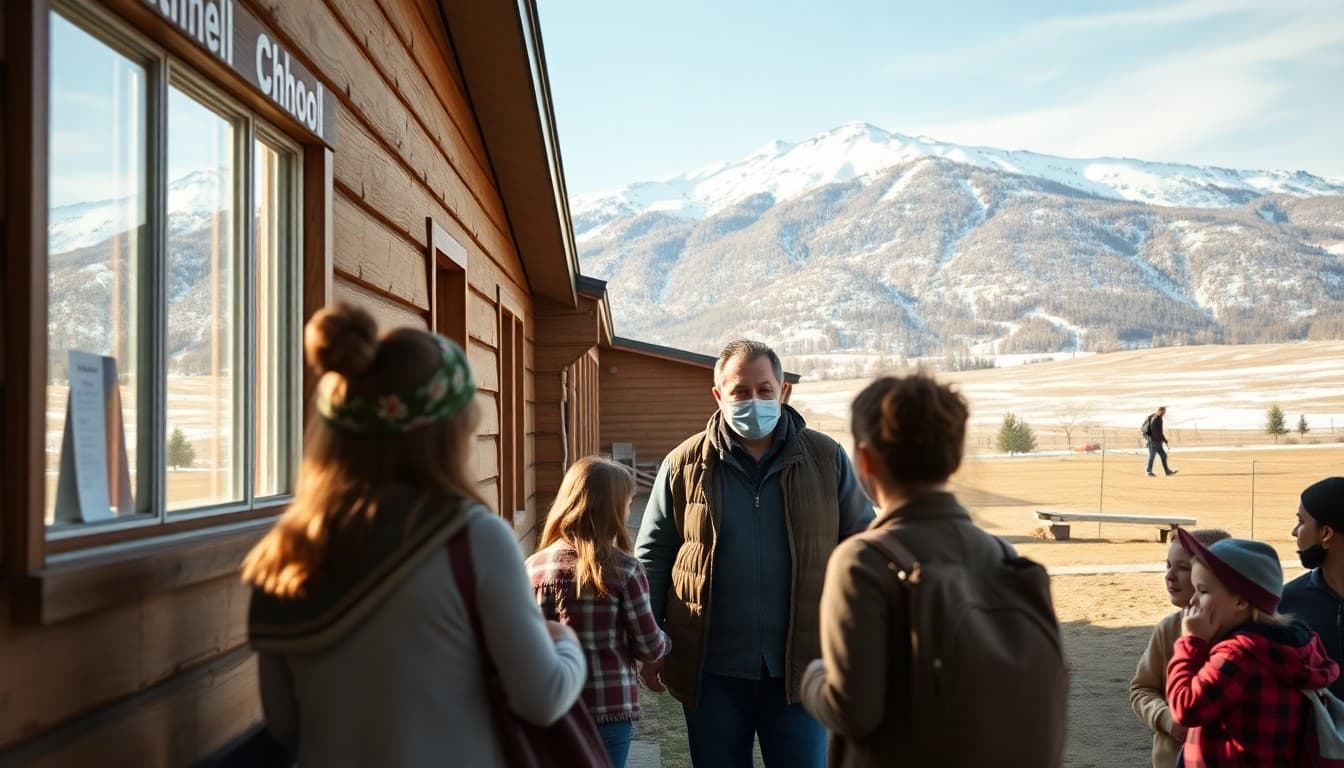
Schools in mountain communities deal with road closures, avalanche risks, and snowstorms that can change daily schedules with little warning. Establishing a clear weather communication protocol before the school year starts is essential. Which channel does the school use for closures? What time are notifications sent? What is the backup for families who do not receive the first alert? The back-to-school newsletter should answer all three questions explicitly.
Eastern Plains: Agricultural Schedules and Distance
The Eastern Plains school districts are large by geography and small by enrollment. Families farm and ranch across vast distances. Planting in April and harvest in September and October are not just busy seasons. They are times when parents are working before sunrise and after dark. Newsletters sent during these periods should be shorter than usual and focused on the most critical items. A school that acknowledges the seasonal rhythm builds credibility with agricultural families.
San Luis Valley: Bilingual Communication as Standard Practice
The San Luis Valley has one of Colorado's oldest and deepest Hispanic communities. Schools here serve families where Spanish is often the primary home language, particularly for grandparent caregivers. A Spanish-language version of the newsletter is not an accommodation for an edge case. It is the baseline for inclusive communication in this region. Translation should be reviewed by a community member, not just run through machine translation.
Resource Information Belongs in Every Issue
Colorado has significant rural poverty, particularly in the San Luis Valley and in southeastern Colorado communities near the Kansas and Oklahoma borders. Food assistance, utility assistance, and health resource information should appear in newsletters consistently. Write it simply: "Free and reduced lunch applications are available at the front office. You do not need to reapply if you qualified last year." Families who need this information will find it without feeling singled out.
Small School Identity Is a Communication Asset
Colorado rural schools often serve communities where the school is the center of social life. Student highlights, community events, and school pride content are not filler in these newsletters. They are the reason families open them. A newsletter that celebrates the sixth-grade science fair and the volleyball team's undefeated season alongside Title I program updates builds the relationship that makes families responsive when the school needs something from them.
Title I Documentation and the Newsletter
Colorado Title I schools must distribute parent involvement policies and school-parent compacts annually. Using the newsletter as the primary delivery vehicle for these documents creates a documented communication record. Daystage tracks which families have opened which newsletter issues, providing a log that Title I coordinators can reference during program reviews.
Build in Paper for the Families You Cannot Reach Digitally
In mountain valleys with limited cell service and on remote ranches without broadband, paper newsletters sent home with students remain the most reliable delivery channel. A printed half-sheet that takes two minutes to read covers the week's essentials for families who will never open an email from the school. Running both channels costs little and leaves no family without information.
Colorado rural educators who design communication for their specific community context rather than a generic rural template see stronger engagement and better Title I outcomes. The newsletter is where that design work shows.
Get one newsletter idea every week.
Free. For teachers. No spam.
Frequently asked questions
What communication challenges are specific to Colorado rural schools?
Mountain communities deal with seasonal road closures and weather-related school disruptions that require fast, reliable communication channels. Eastern Plains agricultural communities have families working long hours during planting and harvest. The San Luis Valley has high-poverty, Spanish-speaking family populations. Each context has different access, language, and timing constraints.
How should Colorado mountain school educators handle weather communication?
Weather closures and delays are more frequent in Colorado mountain schools than anywhere else in the state. Families need a clear communication protocol established before the first storm of the year: what channel the school uses, what time notifications go out, and what the backup channel is for families who do not receive the first message. The back-to-school newsletter is the right place to establish that protocol.
What digital access barriers do Colorado rural educators face?
Mountain communities often have spotty cell coverage in valleys and limited broadband options. Eastern Plains towns frequently have one internet service provider with service quality that varies. San Luis Valley communities have high rates of families relying on mobile data. Newsletters need to load on slow connections and have paper backup systems.
How do Colorado rural schools serve Spanish-speaking families in the San Luis Valley?
The San Luis Valley has a long-established Hispanic community with many families who speak Spanish as their primary language. Newsletter translation into Spanish is not optional for schools in this region. The community has deep roots and a strong school culture. Bilingual communication respects that history and keeps families engaged.
What newsletter tool works for Colorado rural schools with varied contexts?
Daystage lets Colorado rural educators send newsletters that load on limited-bandwidth connections and track engagement across family groups. Schools use it to identify families who need printed copies, to send weather alerts quickly, and to manage multilingual content without building a separate system for each language.

Adi Ackerman
Author
Adi Ackerman is a former classroom teacher and curriculum writer with 8 years in K-8 schools. She writes about school communication, parent engagement, and what actually works in real classrooms.
More for Rural & Title I
Colorado Rural School Newsletter Guide for Mountain and Plains Communities
Rural & Title I · 6 min read
Title I School Family Communication in Colorado
Rural & Title I · 6 min read
Rural School Weather Closure Newsletter: How Schools Communicate Closures and Emergency Decisions
Rural & Title I · 5 min read
Ready to send your first newsletter?
3 newsletters free. No credit card. First one ready in under 5 minutes.
Get started free