
Colorado Rural School Newsletter Guide for Mountain and Plains Communities
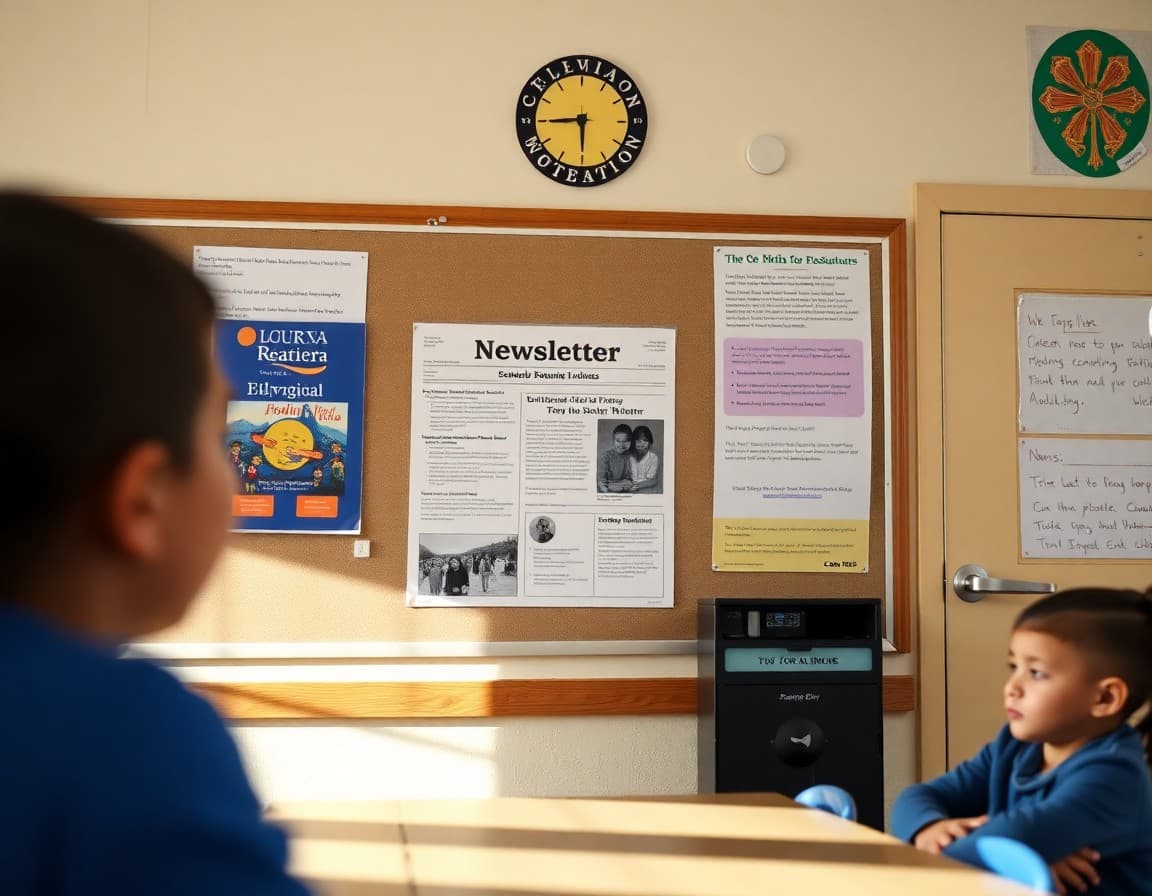
A principal in a San Luis Valley school sends her newsletter in Spanish first, then English. Her student population is 85% Hispanic, and most families have Spanish as the primary home language. She tried the English-first approach for a year before the data convinced her to switch. Parent meeting attendance went up 30% in the first semester after the change. Format choices are policy choices.
Colorado's Rural School Diversity
Colorado's rural schools range from mountain resort towns like Telluride, where wealth disparities between school families are extreme, to the Eastern Plains farming and ranching communities of Baca and Prowers counties. The San Luis Valley is one of the oldest Hispanic communities in North America, with families whose roots predate statehood. Each region requires a newsletter approach calibrated to its specific conditions.
Mountain School Communication: Weather, Altitude, and Access
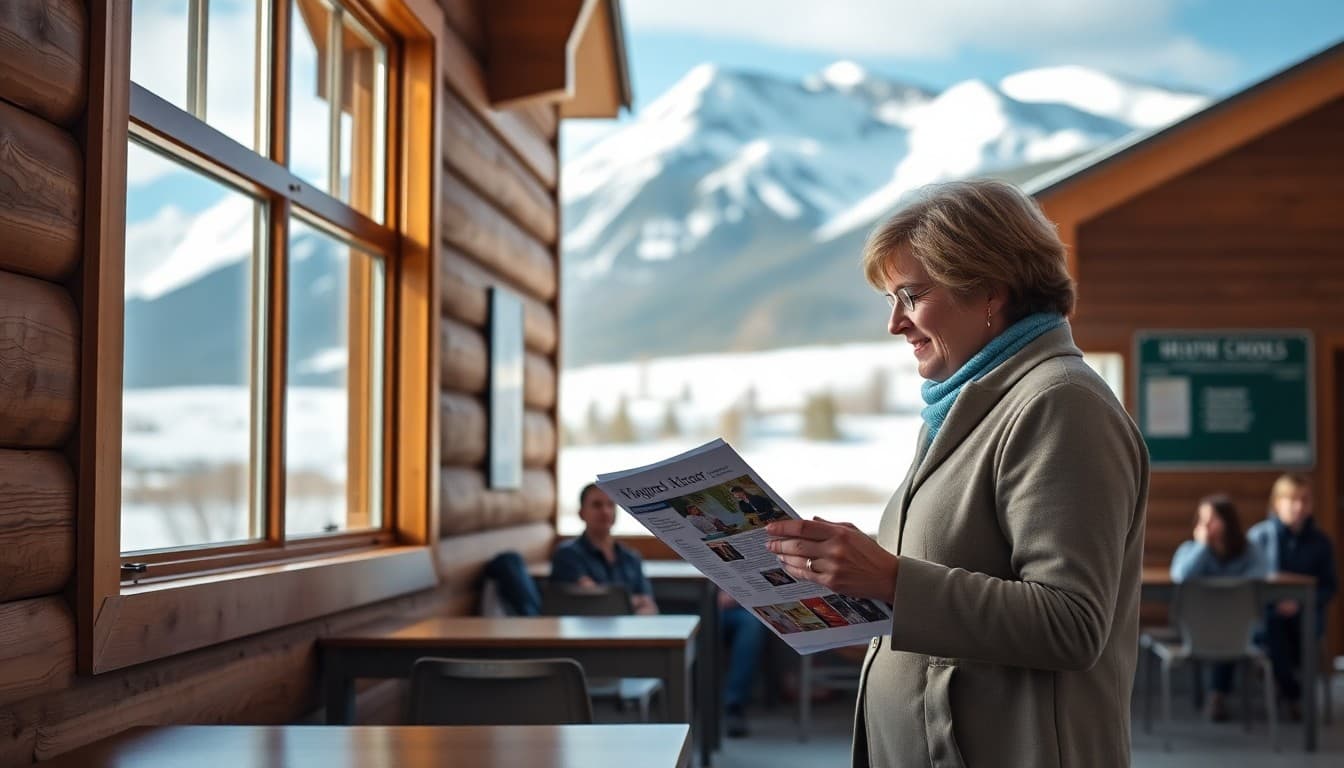
Schools in Eagle, Routt, and Pitkin counties deal with regular weather-related closures, families who commute long distances for work, and internet access that varies significantly between valley floors and higher elevations. Newsletters for mountain schools need a standing closure protocol section every fall, a consistent digital and print distribution system, and enough lead time on events that families with long commutes can plan.
Eastern Plains and Ranching Community Communication
Farmers and ranchers in Kit Carson, Lincoln, and Washington counties work long hours with schedules tied to seasons and livestock needs. Newsletters that arrive at the right time, written in plain language, and short enough to read in two minutes, get read. Newsletters built like school district press releases do not. Testing send time and keeping the reading time under three minutes is the single most impactful format decision for this audience.
San Luis Valley: Bilingual Communication as a Standard
The San Luis Valley's Alamosa, Conejos, and Costilla counties have high rates of Spanish-speaking families across multiple generations. A bilingual newsletter is not an accommodation. It is the correct default. Spanish-speaking families who receive a Spanish-language newsletter return the communications survey, attend Title I meetings, and re-enroll on time at higher rates than families who only receive English communications.
What Every Colorado Rural School Newsletter Should Include
Five core items: dates, weather closure protocol reminder in fall and winter, meal program information, one Title I resource notice, and a student highlight. For mountain schools, add a seasonal note about any school-sponsored outdoor programs or community events. Keep total reading time under three minutes. Families value brevity as much as content.
Food Security Messaging in Rural Colorado
San Luis Valley counties have among the highest food insecurity rates in Colorado. Eastern Plains families also face food access challenges, particularly in winter. Newsletters that communicate free breakfast availability, Community Eligibility Provision status, and summer food site locations give families information they often cannot find elsewhere. Write it plainly: "All students eat breakfast free. No form required."
Title I Compliance and the Newsletter
Colorado Title I schools must distribute their parent engagement policy and school-parent compact annually. The newsletter is the right vehicle. A quarterly block with the document title, a pickup location for printed materials, and a contact number for questions fulfills the requirement. Daystage lets you save this as a reusable template block and drop it into each quarterly issue without rebuilding from scratch.
Measuring Newsletter Reach in Rural Colorado
Open-rate tracking shows which families are consistently not opening newsletters. In a small school where every family is known, this data translates directly to action: a printed copy home with the child, a phone call from the office, or a note through the community grapevine. The newsletter becomes a managed communication system, not just a weekly broadcast.
Colorado rural schools that invest in communication formats matched to their community conditions build the family trust that supports attendance, Title I participation, and student success. The newsletter is the starting point for that relationship.
Get one newsletter idea every week.
Free. For teachers. No spam.
Frequently asked questions
What communication challenges do Colorado rural schools face?
Mountain schools deal with weather-related closures, limited broadband in valleys, and families spread across large geographic areas. Eastern Plains schools have ranching families working long hours with little time for school involvement. The San Luis Valley has a large Spanish-speaking population with a long history in the region but still significant language access needs.
How do Colorado mountain schools handle weather closure communication?
The newsletter should include a standing section on closure procedures every fall: how families will be notified, what meal availability looks like on closure days, and who to call if a child is already on the bus. Sending a closure-specific email the night before a predicted closure gives families more preparation time than a morning robocall.
How should Colorado rural schools communicate with Spanish-speaking families?
The San Luis Valley has families who have spoken Spanish for generations, alongside newer agricultural worker populations. A Spanish-language version of every newsletter, or a minimum of a translated summary, covers both groups. Translation should be done by a fluent speaker, not an online tool, for formal communications like Title I notices.
What newsletter content is most useful for Colorado rural families?
Weather closure procedures, meal program details, Title I program availability, and testing schedules matter most. For mountain resort towns where income inequality is sharp, cost-neutral framing of school resources reduces barriers for low-income families who may feel out of place.
What newsletter tool works for Colorado rural schools?
Daystage delivers lightweight school newsletters and provides open-rate analytics so you can see which families are not engaging digitally. That data drives the decision about who gets a printed copy or phone follow-up.

Adi Ackerman
Author
Adi Ackerman is a former classroom teacher and curriculum writer with 8 years in K-8 schools. She writes about school communication, parent engagement, and what actually works in real classrooms.
More for Rural & Title I
Rural School Newsletter Guide: Communication Strategies for Small and Remote Schools
Rural & Title I · 7 min read
Rural School Weather Closure Newsletter: How Schools Communicate Closures and Emergency Decisions
Rural & Title I · 5 min read
Rural School Bilingual Family Newsletter: How Schools Communicate Across Language Barriers
Rural & Title I · 5 min read
Ready to send your first newsletter?
3 newsletters free. No credit card. First one ready in under 5 minutes.
Get started free