

Rural School Communication Strategies for Arkansas Educators
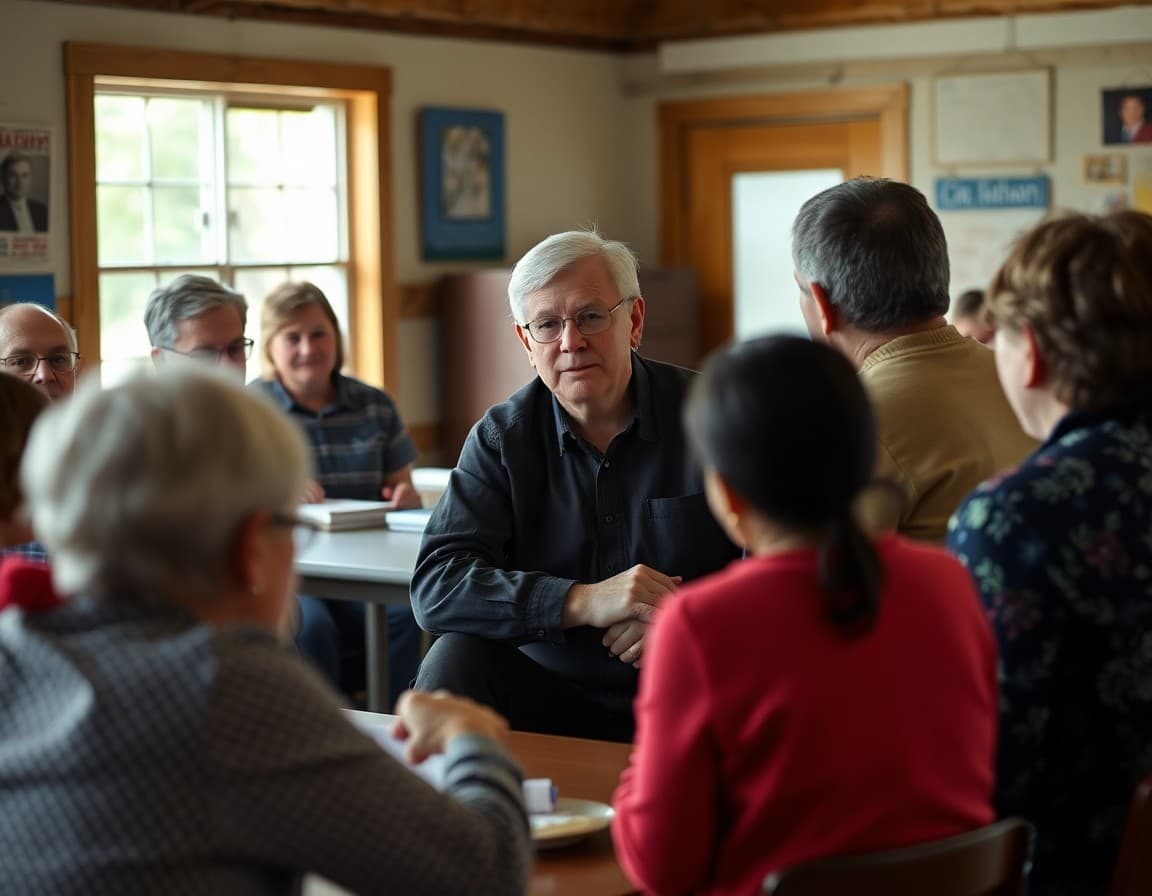
Arkansas is one of the most rural states in the country, and its rural communities are not uniform. The Delta in the east, the Ozarks in the northwest, and the River Valley in between each present distinct communication challenges for educators. A strategy built for one will not work for all three.
Delta Schools: Poverty, Food Insecurity, and Trust
The Arkansas Delta has counties where child poverty rates exceed 30%. Schools in these communities serve families dealing with food insecurity, housing instability, and limited access to transportation. The newsletter is not just a communication tool in these contexts. It is often the most consistent positive touchpoint families have with the school. Write it accordingly: short, useful, respectful, and full of resource information that families can actually use.
Ozarks Schools: Distance and Connectivity
Ozarks communities are spread across heavily forested hills with limited road infrastructure and patchy broadband. Many families live 20 or more miles from school. Digital communications need to load on mobile connections. Newsletters that are larger than 100KB or that embed video will not reach families on limited data plans. Paper copies posted at community stores, gas stations, and post offices extend reach to families without consistent digital access.
River Valley: Marshallese and Hispanic Family Communication
Springdale and the surrounding River Valley area have significant Marshallese and Hispanic populations. For both communities, English-only newsletters exclude a significant portion of the family population. Spanish translation resources are more widely available. Marshallese translation requires community partnership. The school that invests in that partnership builds trust that extends beyond the newsletter.
Food Program Communication Across All Regions
Arkansas has high rates of student participation in free and reduced lunch programs. The newsletter should include clear, stigma-free information about meal programs, summer food sites, and school pantry resources in every issue. "Free breakfast is available before the first bell. No form needed." That sentence, repeated consistently, reaches families who need it and normalizes the resource for families who might otherwise feel reluctant to use it.
Build a Parallel Paper System
For schools in areas where broadband coverage is genuinely limited, treating paper newsletters as the primary channel and digital as supplementary is a defensible choice. A printed half-sheet sent home with students every Monday reaches families regardless of their connectivity. The digital version reaches families who check email. Running both in parallel costs little and leaves nobody out.
Title I Communication Requirements
Arkansas Title I schools must share parent involvement policies, school-parent compacts, and program information annually. The newsletter is the most reliable delivery mechanism for these documents. Daystage lets schools save required Title I content as reusable blocks and track whether families have opened the issues that contained them.
Use Open Rates to Find Disconnected Families
A family that has not opened a newsletter in a month may have changed their email, may be in a housing transition, or may simply be overwhelmed. Open-rate tracking surfaces these families before problems compound. A printed copy sent home or a phone call from the teacher keeps those families in the loop before they feel completely disconnected from the school.
Arkansas rural educators who design communication for their community's actual conditions see stronger Title I compliance outcomes and more engaged families at the events that matter. The newsletter is where that engagement starts.
Get one newsletter idea every week.
Free. For teachers. No spam.
Frequently asked questions
What communication challenges are specific to Arkansas rural schools?
The Arkansas Delta has some of the highest poverty rates in the country, with significant African American populations and high rates of food insecurity. The Ozarks have scattered populations across counties with limited broadband infrastructure. The River Valley includes Marshallese and Hispanic communities with distinct language needs. No single communication approach covers all of Arkansas's rural contexts.
How should Arkansas Delta schools approach family communication?
Many Delta families are working multiple jobs with unpredictable hours. Short, plain-language newsletters that arrive consistently at the same time each week build the habit of reading them. Paper copies sent home with students remain essential. Food assistance and economic resource information should be presented without stigma in every issue.
What digital access barriers do Arkansas rural educators face?
Rural Arkansas has some of the lowest broadband coverage rates in the South. Many families rely on mobile data with limited caps. Newsletters need to load quickly on 3G connections. The Arkansas Rural Connect program is expanding broadband, but coverage remains uneven and the newsletter system should not depend on connectivity that does not yet exist.
How do Arkansas schools reach Marshallese families in the River Valley?
Western Arkansas has the largest Marshallese population outside of Hawaii. Marshallese families have specific cultural communication preferences and low rates of English proficiency among older family members. A Marshallese translation of key newsletter items, reviewed by a community member, is the baseline for reaching these families.
What tool supports Arkansas rural school communication at scale?
Daystage helps Arkansas rural educators send consistent newsletters to families and track engagement so staff can identify families who need printed copies or phone follow-up. Schools use it to meet Title I family engagement requirements without building a separate communication system for each parent group.

Adi Ackerman
Author
Adi Ackerman is a former classroom teacher and curriculum writer with 8 years in K-8 schools. She writes about school communication, parent engagement, and what actually works in real classrooms.
More for Rural & Title I
Ready to send your first newsletter?
3 newsletters free. No credit card. First one ready in under 5 minutes.
Get started free