
Second Grade Reading Newsletter: A Working Template
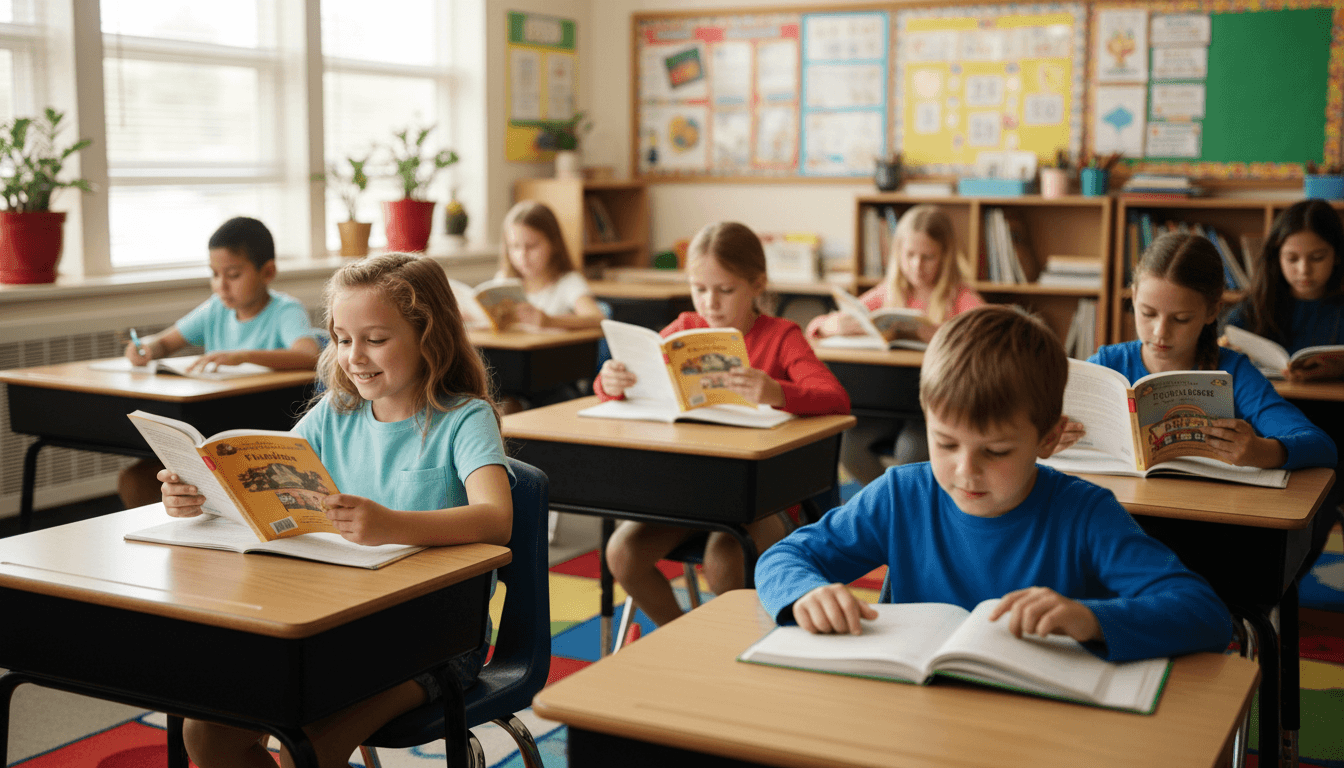
Second grade is the year reading changes shape. In first grade most students were still sounding out every word. By February of second grade most are reading chapter books and starting to forget what decoding even felt like. A second grade reading newsletter has to speak to that shift. Parents need to know why the homework looks heavier, why the books got longer, and what to listen for when their child reads at home.
Open with the chapter book, not the standard
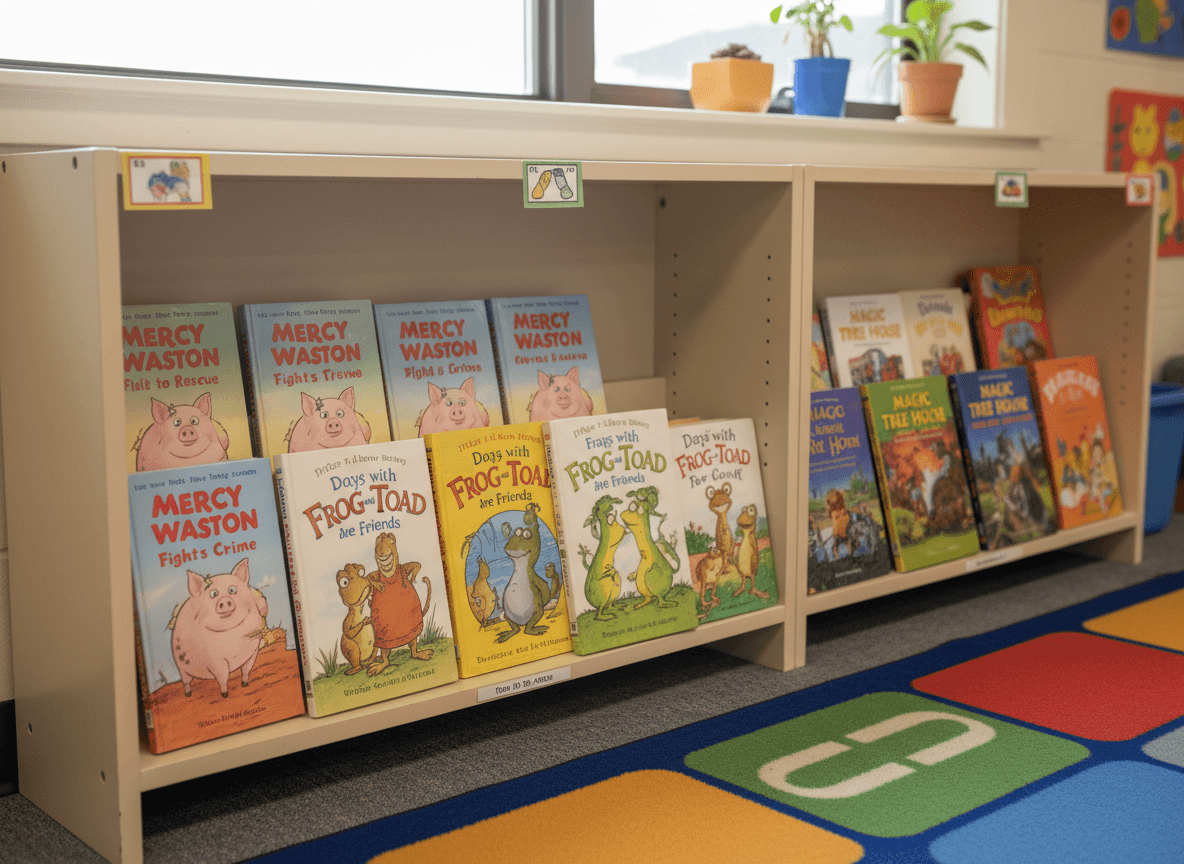
Lead with the title your class is reading. "This cycle our read-aloud is Mercy Watson Fights Crime. Small groups are reading Frog and Toad Together and the first Magic Tree House." That sentence does more than any standard code. Parents recognize the books. Kids talk about them at dinner. The newsletter becomes a bridge between school and the kitchen table.
Name the phonics pattern in one line
Second graders are still doing phonics, just at a longer level. Long vowels, vowel teams, r-controlled vowels, two-syllable words. Pick one pattern per cycle and give it one sentence. "This week we are working on the ai and ay vowel teams. Words like rain, mail, play, and tray." Two example words, no theory. Parents now have language for what they saw on the homework page.
Explain why a child can read words and miss the meaning
Second grade is the first time parents notice this gap. Their child reads a page perfectly, the parent asks what happened, and the child cannot answer. Address this directly. "Some second graders are getting so good at reading the words that their brain runs out of room for the meaning. That is normal. The fix is asking one question after every page or two: what just happened?" That paragraph reframes how parents listen.
One home ask, not ten
Pick one thing. "This week, when your child reads aloud, pause once and ask: what just happened on that page, in one sentence?" That is the entire home practice section. Parents do not pick from menus. They follow specific small asks.
A working two-week template
"Hello families. Our read-aloud this cycle is Mercy Watson Fights Crime. Small groups are reading Frog and Toad Together. Phonics this cycle: the ai and ay vowel teams. Words like rain, mail, play, tray. Reading work this cycle: noticing what just happened in a story, in our own words. At home this week, after one page, ask your child: what just happened, in one sentence? One question is plenty. Coming up: spring conferences on the 14th, sign-up link to follow."
Format choices that decide whether parents read it
Under 400 words. Bold section labels so parents can scan. Same sections in the same order every cycle. Random structure trains parents to skip. A predictable rhythm trains them to open.
How Daystage helps with second grade reading newsletters
Daystage holds the four-section template for you. You write into the same shell every cycle. The email goes out to every family on your list, formatted cleanly, mobile-friendly, no PDF attachment, no portal login. The Sunday night version of this job takes ten minutes, every cycle, all year.
Get one newsletter idea every week.
Free. For teachers. No spam.
Frequently asked questions
What makes second grade reading different from first grade?
Second grade is the year decoding becomes automatic for most kids. They stop sounding out every word and start reading whole sentences without effort. That shift opens up real chapter books and real comprehension work. Your newsletter needs to flag this transition so parents understand why the homework looks heavier and why they hear about chapter books at dinner.
Which books should I name in a second grade reading newsletter?
Name the books your class is actually reading. Mercy Watson, Frog and Toad, Henry and Mudge, Magic Tree House, Owl Diaries, Junie B. Jones. Parents who see a familiar title feel oriented. Parents who see vague phrases like 'leveled chapter books' do not.
Should second grade parents still be hearing about phonics?
Yes. Second graders are still working on long vowels, vowel teams, r-controlled vowels, and two-syllable words. Name the pattern of the cycle in one sentence with two example words. That is enough. Parents do not need a phonics lesson, they need a vocabulary handle.
How long should a second grade reading newsletter be?
Under 400 words. Parents read on phones between drop-off and work. A tight newsletter gets read. A long one gets bookmarked and forgotten.
What tool works best for sending a second grade reading newsletter?
Something that sends a clean, formatted email straight to the family inbox without a portal or app. Daystage was built for this. Save the template once, swap the chapter book and the home ask every two weeks, send to the whole class list in one click.

Adi Ackerman
Author
Adi Ackerman is a former classroom teacher and curriculum writer with 8 years in K-8 schools. She writes about school communication, parent engagement, and what actually works in real classrooms.
More for Reading Newsletter
Ready to send your first newsletter?
3 newsletters free. No credit card. First one ready in under 5 minutes.
Get started free