
Reading Newsletter on Summer Reading: How to Send the List
The summer reading newsletter is the one most teachers undercook. It goes out the last week of school, gets buried under field day photos and end-of-year forms, and never gets read. By mid-July, the kids who were going to read on their own are still reading and the rest have stopped. A summer reading newsletter that actually moves the needle is short, sent twice, and built around what parents need to hear out loud.
Send it twice, not once
The first send goes out two weeks before the last day. Families are still in routine. They can pick up library books, set a habit, write a name on the calendar. The second send goes out in mid-July. By then most kids have stopped, parents are mid-vacation, and a short reminder with two book titles and one piece of advice does more than a fancy June list ever did. One send is half the job.
Name the summer slide, then move on
Children who do not read over the summer lose about two months of reading skill by September. That is the number. State it once, plainly, in one sentence. Do not spend a paragraph on it. Parents do not need a research review. They need the fact, and then they need to know what to do about it. Saying it out loud also gives the parent who is exhausted in July permission to insist on 20 minutes of reading after lunch.
Choice list, short floor
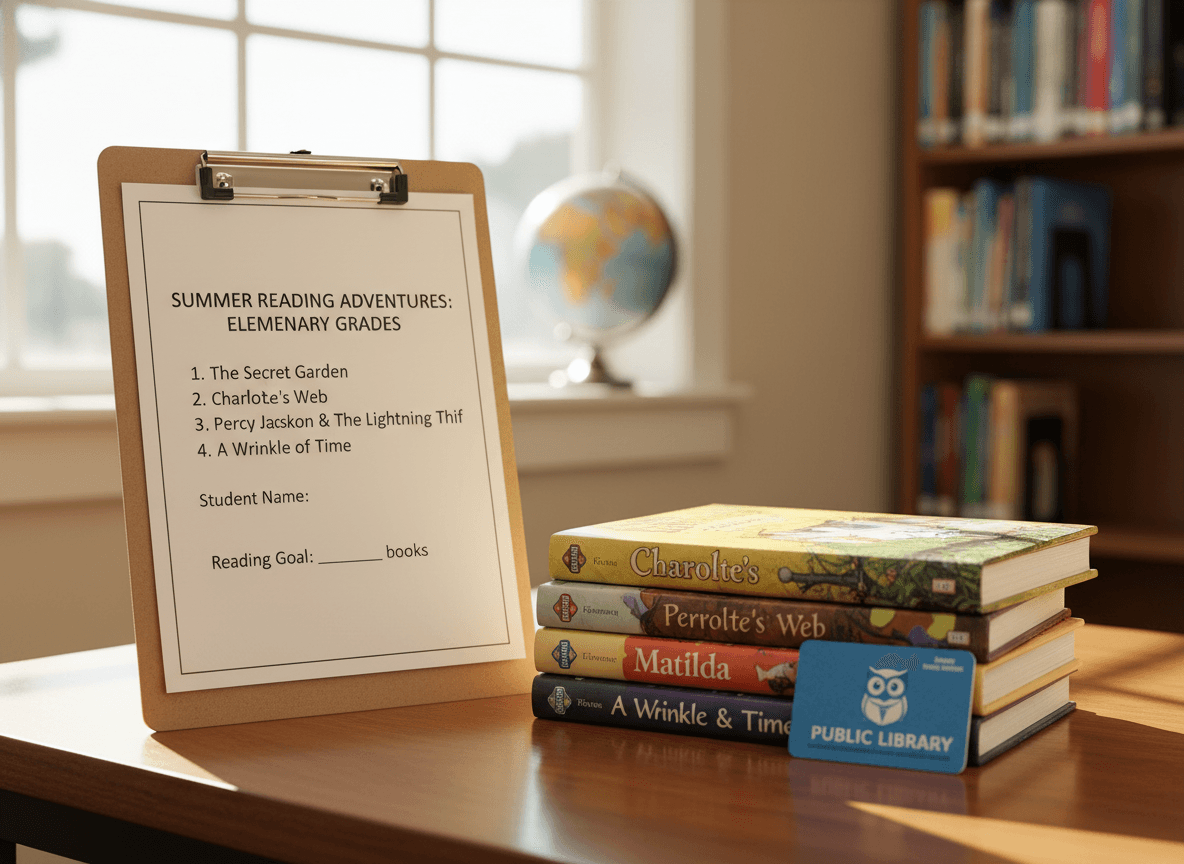
Build a choice list of 15 to 20 titles across formats: chapter books, graphic novels, audiobooks, magazines, nonfiction. Then set a floor any kid can meet: read or listen to two books from the list, plus anything else they want to pick on their own. That is it. The kids who love reading will blow past it. The kids who do not will hit the floor and stop, which is still better than zero. Required-five-book lists drive families into the August meltdown for nothing.
Say audiobooks count, in writing
Most parents quietly believe audiobooks are cheating. They are not. Listening builds the same vocabulary, story structure, and comprehension muscle that print does. One sentence in the newsletter: "Audiobooks count toward summer reading." That sentence converts family road trips into reading time and gives the kid who hates sitting still a path that actually works.
One concrete example
Last summer, a second grade family I worked with had a kid who refused to open a book in July. The mother saw the audiobook line in my newsletter and tried Charlotte's Web on the drive to the grandparents. They got through six chapters in the car. The kid asked to keep going at bedtime, in print. That is what one sentence in a newsletter can do.
The 20-minutes-a-day line
Give parents a number, not a goal. "20 minutes a day, four days a week, any book, any format." Parents can run that. They cannot run "instill a love of reading." Numbers turn into routines. Inspiration turns into nothing.
What to leave out
Reading logs. Sticker charts. Book report templates. None of these survive a real summer. Anything that needs a parent to print, sign, and return in September is going to fail in two homes out of three. Strip the summer newsletter to: the list, the floor, the audiobook line, the 20-minute target, and the library hours. That is the whole page.
How Daystage helps with the summer reading newsletter
Daystage was built for the teacher who wants a clean, formatted email in a parent's inbox without an app or a portal. Save the five-section summer template once. Send the June version. In mid-July, open the same template, swap two lines, send the reminder. Both go to every family on your class list in one click, formatted to read on a phone at the pool.
Get one newsletter idea every week.
Free. For teachers. No spam.
Frequently asked questions
When should the summer reading newsletter go out?
Two sends. The first goes out two weeks before the last day of school, when families are still in school mode and can act on it. The second goes out in mid-July as a reminder, when most kids have stopped reading for two weeks and parents are starting to feel guilty. Sending only the June one means the July drift goes unaddressed. Sending only the July one is too late.
Should the summer reading list be required or choice?
Choice for most kids, with a short floor. A choice list of 20 titles across formats lets a kid pick what fits their interest, which is the only thing that keeps them reading in July. A two-book floor (anything from the list, anything they pick on their own) gives parents a number to point at. Required lists of five specific books are how families end August in tears.
Do audiobooks count?
Yes, and you have to say so in writing. Most parents assume audiobooks are cheating. They are not. Listening to a book builds vocabulary, comprehension, and story structure in the same parts of the brain that reading does. Include one line in the newsletter: 'Audiobooks count toward summer reading.' That line alone opens up reading time for the families who do long car trips.
How do you talk about the summer slide without scaring parents?
Use the research, not the panic. About two months of reading skill is lost over a typical summer for kids who do not read. State that fact once. Then say what fixes it: 20 minutes a day, any book, any format, four days a week. That is the recipe. Parents do not need a slide deck. They need the number and the action.
What is the easiest way to send the summer list to every family?
Send it as a clean, formatted email through Daystage. No portal, no PDF, no app. The list lives in the body of the email so families can read it on a phone in line at the library. Save the structure once, send the June version, swap a few lines, send the July version. Both go to every family on your list in one click.

Adi Ackerman
Author
Adi Ackerman is a former classroom teacher and curriculum writer with 8 years in K-8 schools. She writes about school communication, parent engagement, and what actually works in real classrooms.
More for Reading Newsletter
Ready to send your first newsletter?
3 newsletters free. No credit card. First one ready in under 5 minutes.
Get started free