
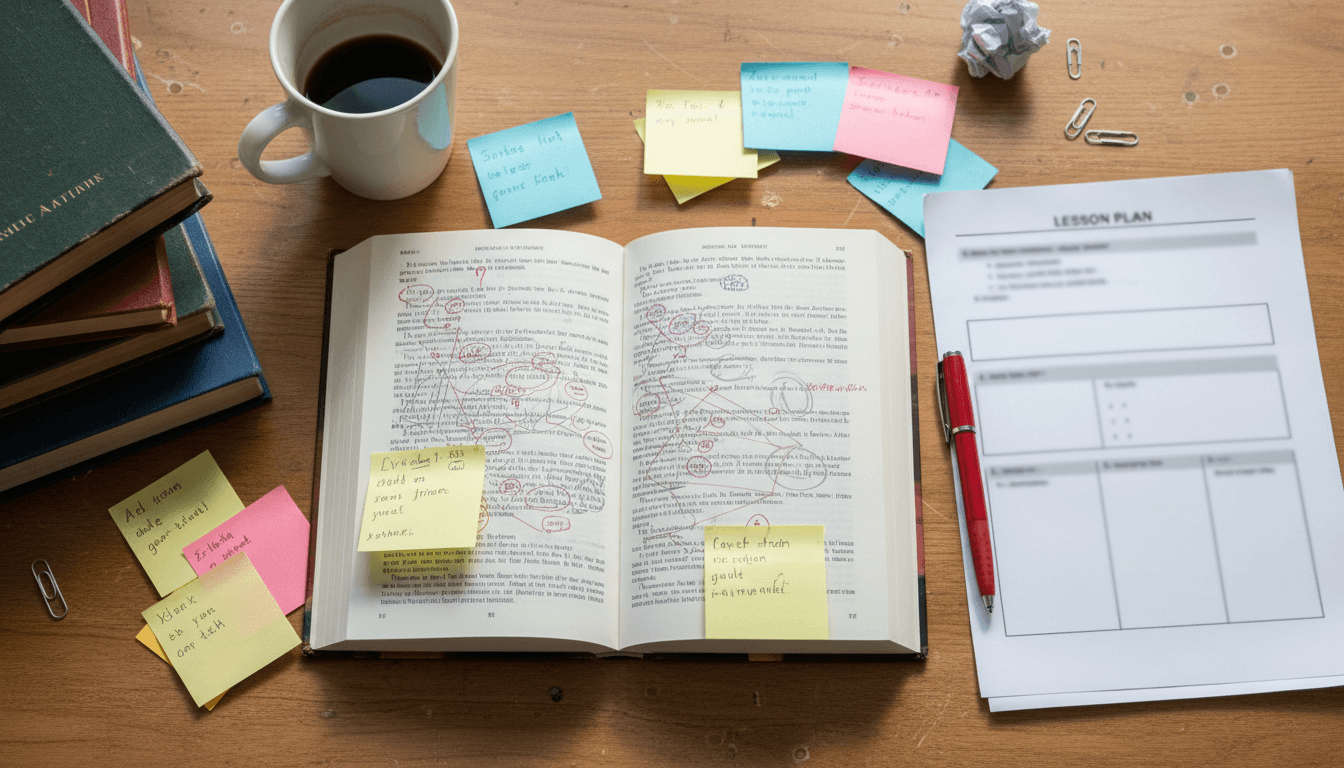
Reading Newsletter for State Test Prep: What to Include Now
Reading state test season is when parent communication usually falls apart. Teachers either go silent (avoiding the topic) or flood the inbox with daily tips (fueling panic). The right approach is a calm, three-newsletter sequence that names the test, sets expectations, gives one or two real moves, and otherwise lets the regular classroom work do the work.
Newsletter one: four weeks out
Open with calm context. "The state reading assessment window opens April 15. The best preparation for it is what we have been doing all year: reading good books, answering questions in writing, building stamina. No daily test drills are planned. We will do two or three practice passages over the next four weeks so the format is familiar." That paragraph signals competence and steadiness.
What not to do in the last week
Most parents want to help and overdo it. Give them the don't list. "In the last week before the test, please do not introduce new study material, drill flashcards, or push your child to read at a higher level. The work is done. The last week is for sleep, food, and confidence."
Newsletter two: the week before
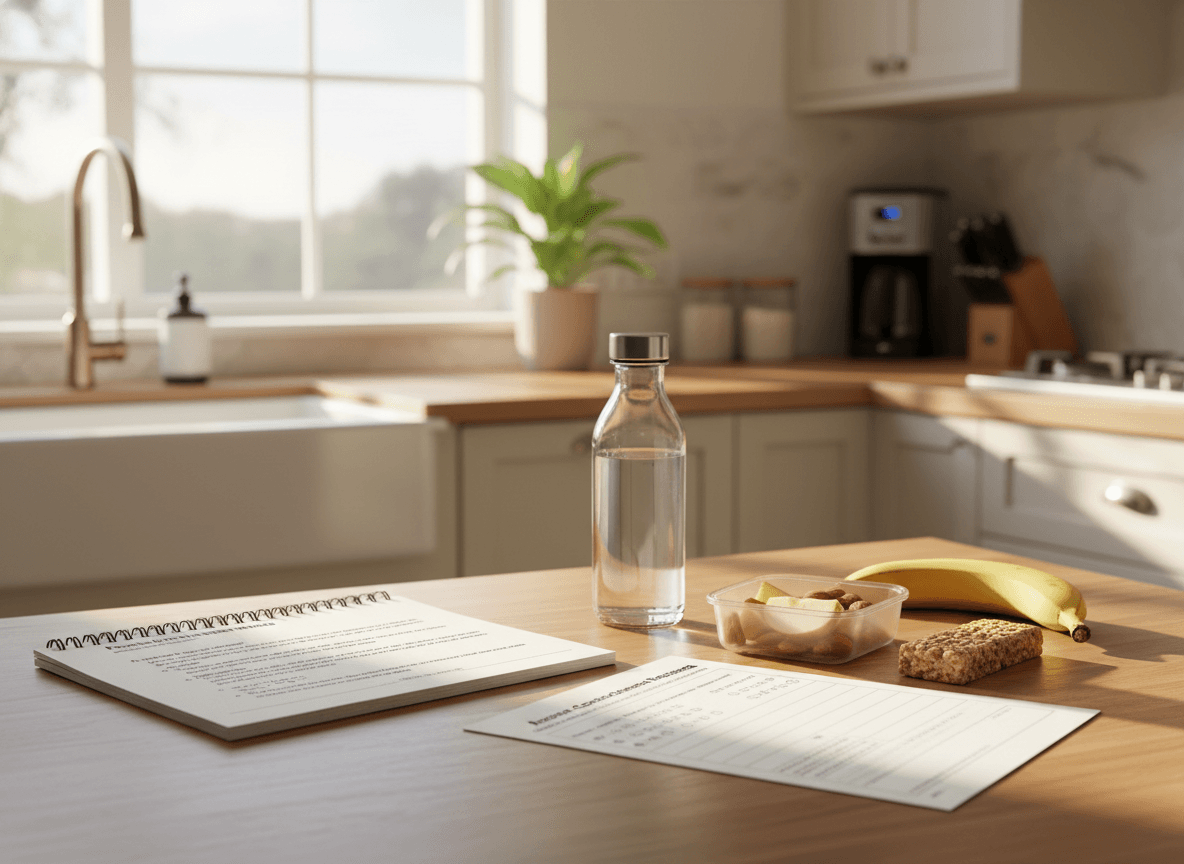
Pure logistics. Dates. Start times. What to bring. What breakfast looks like. "Testing days are April 15 and April 17, in the morning. Best to get your child to bed at the usual time, not earlier. A normal breakfast with some protein. A water bottle and a snack in the backpack. That is it." Done. Parents have a list.
The freeze fix
Include one practice move parents can teach at home. "If your child freezes on a practice passage, have them put a finger on the question and read the question out loud. Then read only the paragraph the question points to. Then answer. Most freezes come from trying to hold the whole passage in their head at once." One move, parents can remember it.
A working night-before template
"Hello families. The state reading test is tomorrow morning. The work is done. Tonight is for sleep and food. Best to keep bedtime normal, not earlier. A normal breakfast with some protein. Water bottle in the backpack. That is the whole list. If your child is nervous, the move is: feet on the floor, three slow breaths, hand on the test. The kids are ready. See them tomorrow."
Newsletter three: the day after
"Hello families. The reading window closed yesterday. The kids worked hard and showed up. Results usually arrive in eight to ten weeks. I will send a score guide before they go home so the numbers arrive with context. Thank you for the calm support this season." Short. Warm. Done.
How Daystage helps with state test prep newsletters
Daystage holds the three templates and lets you reuse them every year. Update the dates, send to the full class list in one click, and skip the portal-and-PDF dance. Calm communication, three sends, no panic.
Get one newsletter idea every week.
Free. For teachers. No spam.
Frequently asked questions
How many newsletters should I send about the state reading test?
Three. One four weeks before the window opens with general context. One the week before with logistics (dates, what to bring, sleep and snacks). One the day after the window closes thanking families and explaining what happens with results. More than three turns into panic communication.
What should the night-before newsletter actually say?
Sleep and food, in that order. 'Best to get your child in bed at the usual time, not earlier. An earlier-than-normal bedtime often backfires. A normal breakfast with some protein. Water bottle in the backpack. That is it. No practice the night before.' Specific, calm, finite.
What if a child freezes on a passage and the parent asks me what to do at home?
Give them one move. 'If your child freezes on a practice passage, have them put a finger on the question and read the question out loud. Then have them read only the paragraph the question points to. Then answer. Most of the time, the freeze comes from trying to hold a whole passage in their head.' One move, easy to remember, works.
Should I send daily test prep tips during the testing window?
No. Daily tips read as panic. Send the three-newsletter sequence above and let the rest be normal classroom communication. A calm teacher creates a calm test environment. A teacher who panics on email creates the opposite.
What tool sends the test-prep newsletter cleanly?
Daystage. Save the three-newsletter sequence as templates, fill in the dates each year, send to your whole class list with one click. No portal, no PDF, no app login.

Adi Ackerman
Author
Adi Ackerman is a former classroom teacher and curriculum writer with 8 years in K-8 schools. She writes about school communication, parent engagement, and what actually works in real classrooms.
More for Reading Newsletter
Ready to send your first newsletter?
3 newsletters free. No credit card. First one ready in under 5 minutes.
Get started free