
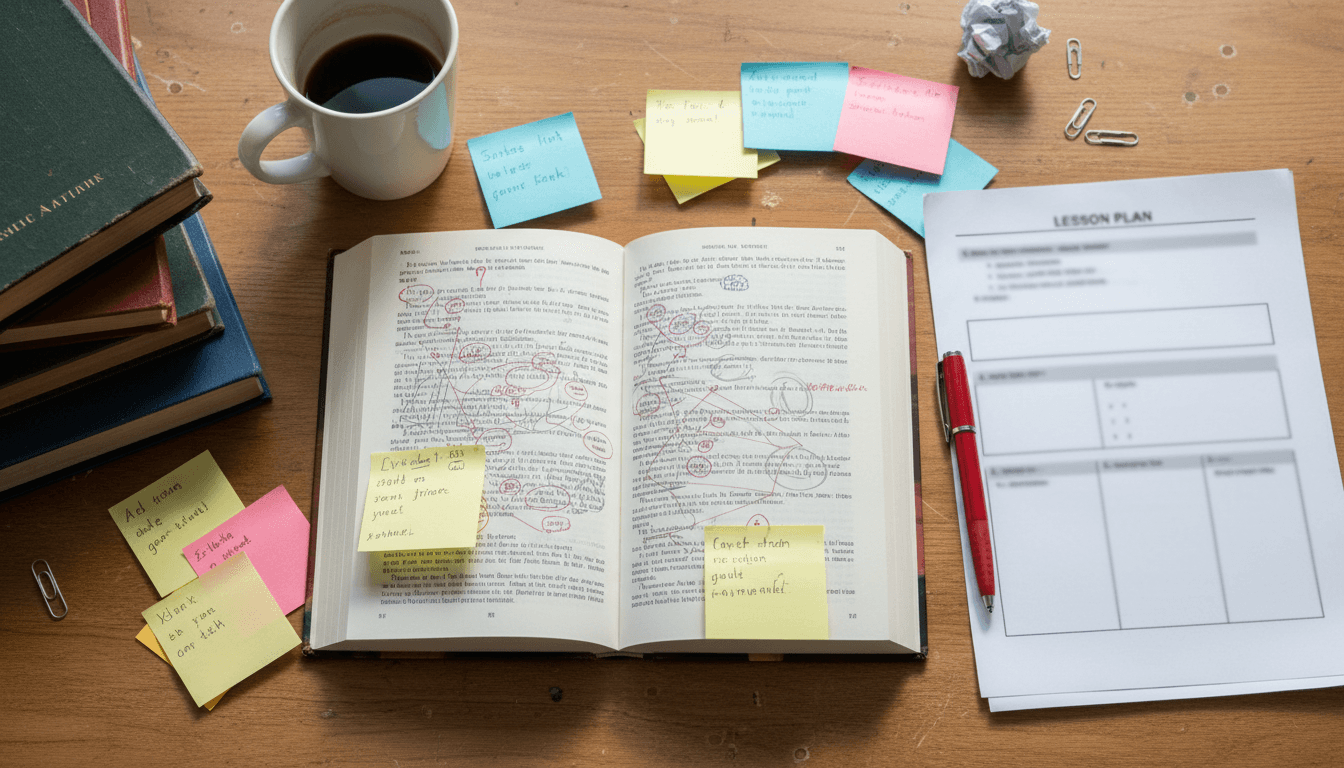
Reading Newsletter on Fluency: Sections Parents Actually Read
Fluency sits between decoding and comprehension. A child who decodes accurately but reads at a crawl cannot hold a sentence long enough to understand it. A child who races through a page in a robot voice misses the meaning too. Fluency is the bridge, and it is the part of reading parents most often misjudge at home. A focused newsletter clears that up in four sections.
Open with the three parts of fluency
Most parents think fluency means fast. It does not. "Fluency has three parts: accuracy, rate, and expression. Your child needs all three. Fast reading without expression is not fluent." One sentence at the top of the newsletter reframes how families listen at home.
Share the words-per-minute target for the cycle
Give the number. "By the end of second grade, the target is around 90 words per minute on a grade-level passage. Right now the class average is 72. We are working to close that gap by winter break." That puts the upcoming fluency score in context before it arrives in the folder.
Teach parents repeated reading
Repeated reading is the home practice with the strongest research behind it. "Pick a short passage your child can read with reasonable accuracy. Read it together on Monday, again on Tuesday alone, again on Wednesday. By the third pass, the reading sounds smoother. Three minutes a day. Same passage." That is the whole instruction.
Warn against the race-to-the-end voice
Tell parents what to listen for. "If your child reads in a flat rush with no pauses at commas or periods, pause them. Ask them to reread that sentence the way a character would say it. That is the expression part of fluency." One tip, one paragraph, usable that night.
Sample fluency newsletter
"Hi families. Our fluency work this cycle focuses on reading with expression, not just speed. Fluency has three parts: accuracy, rate, and expression. A child who races through a page in a flat voice is not fluent yet.
At home, try repeated reading. Pick a one-page section from The One and Only Ivan or any book your child is reading. Read it Monday, Tuesday, and Wednesday. By the third pass, the voice gets smoother.
End-of-cycle fluency probe is next Thursday. Class average target: 90 words per minute. Reply any time. Mrs. P."
What to leave out
Skip the assessment acronyms (DIBELS DORF, Acadience RCBM, ORF). Most parents will not remember them and the letters get in the way. If a score is coming home with one of those names on it, translate once: "You will see DIBELS Oral Reading Fluency, which measures how many words your child reads correctly in one minute."
How Daystage helps with fluency newsletters
Daystage was built for the steady two-week rhythm a reading teacher runs. Save your four-section fluency structure once. Swap the target, the home passage, and the heads-up each cycle. The email lands in every parent's inbox formatted for phones, no PDF, no portal. Repeatable enough to run from September through May without burning a Sunday.
Get one newsletter idea every week.
Free. For teachers. No spam.
Frequently asked questions
What are the words-per-minute targets by grade?
By end of first grade, around 50 words per minute on a grade-level passage. By end of second grade, around 90. End of third, around 110. End of fourth, around 125. End of fifth, around 140. Numbers vary slightly by assessment (DIBELS, Acadience, AIMSweb), but the ballpark is the same. Sharing the target for the cycle gives parents context for the score that comes home.
Why is fast reading without expression not fluency?
Fluency has three parts: accuracy, rate, and expression. A child who races through a page in a robot voice has rate but not expression. A child who reads with feeling but stops on every third word has expression but not accuracy. Real fluency means all three. Tell parents this in the newsletter so they stop celebrating speed alone.
What is repeated reading and why does it work?
Repeated reading means a child reads the same short passage three or four times across a few days. The first time is slow. The second time is faster and smoother. By the third or fourth pass, the words feel automatic and the voice starts to sound natural. It is the single most evidence-backed fluency practice for home. Three minutes a day, same passage.
Should parents time their child reading at home?
Optional. Some kids love it and turn it into a game. Others freeze and start reading faster than they understand. If you mention timing in the newsletter, give parents permission to skip it. The goal is smooth reading, not a stopwatch competition. Use timing only if your child enjoys it.
How do you send a fluency newsletter without it becoming a long technical email?
Keep it to four short sections. Skill of the cycle, target words-per-minute, one home practice, one anchor passage. Daystage holds the structure for you and formats the email cleanly for phones. Save it once, send it every two weeks, and parents start opening it because they recognize the rhythm.

Adi Ackerman
Author
Adi Ackerman is a former classroom teacher and curriculum writer with 8 years in K-8 schools. She writes about school communication, parent engagement, and what actually works in real classrooms.
More for Reading Newsletter
Ready to send your first newsletter?
3 newsletters free. No credit card. First one ready in under 5 minutes.
Get started free