
Reading Newsletter for a Nonfiction Unit: Six Sections That Work
Nonfiction units confuse parents more than any other reading unit. The pages look busy. The homework asks for things the parent has not seen since they were nine years old. The kids read the same page twice and the parent assumes something is wrong. None of that is wrong. It is the point. A nonfiction newsletter explains the move, gives parents one question to ask, and ends the confusion in three paragraphs.
Open with the topic and why kids care
One sentence on the topic. One sentence on the hook. "This unit, we are reading about extreme weather. Students picked one weather event to follow for three weeks: hurricane, tornado, blizzard, or wildfire." That opening tells a parent what dinner-table questions to ask. It also signals that the unit has personal stakes for the kid, which matters more than parents realize.
Name the text features in focus
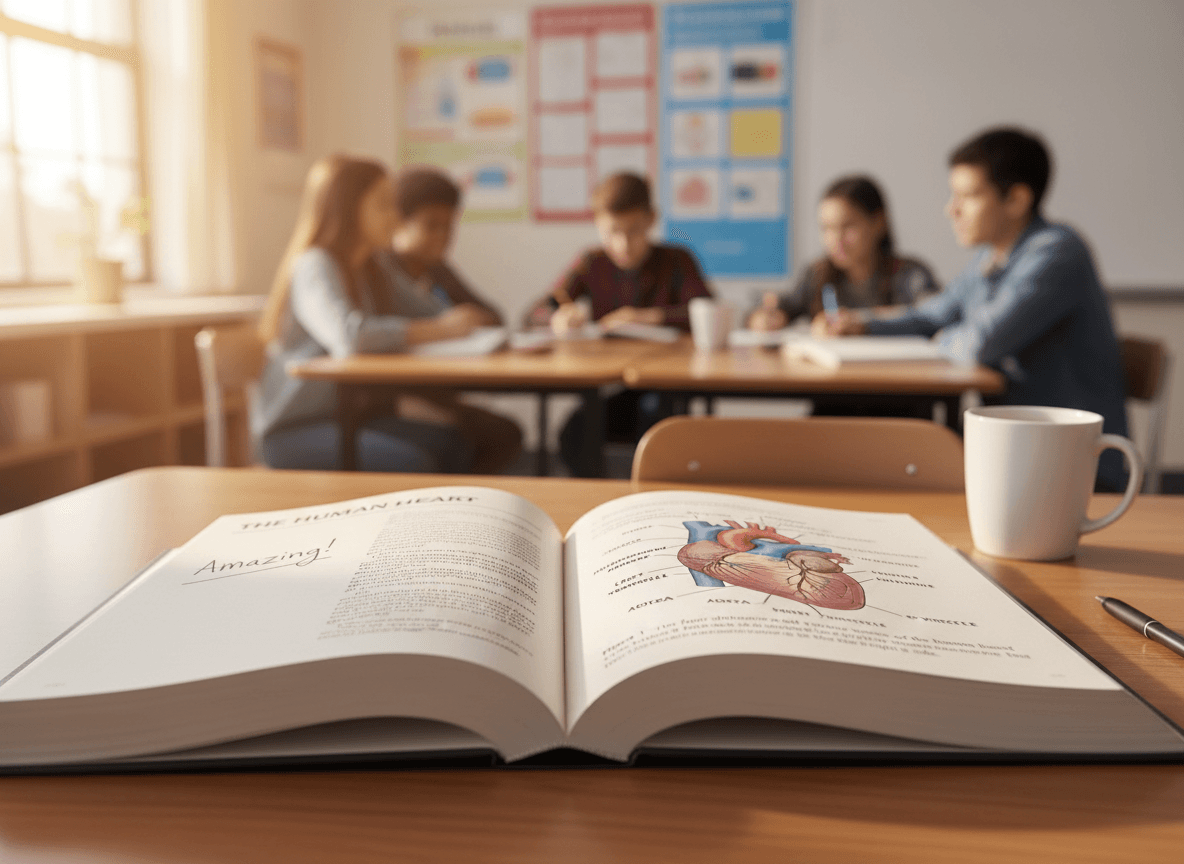
Pick two or three text features per cycle. "This week, we are focused on captions and diagrams. A caption is the sentence under a photo that tells you what the photo means. A diagram is a labeled drawing that shows how something works." Two sentences. Done. Parents now have language for what they are looking at when the homework page asks the child to label a diagram.
Give the one home question
After your child reads a page, ask them to finish this sentence: I learned that ___. That is the entire home practice for the cycle. Print it in bold. One sentence, no follow-up, no graphic organizer. If the child cannot finish the sentence, they reread the page together. That is the move. Parents can do it without any prep.
Explain why nonfiction homework looks messy
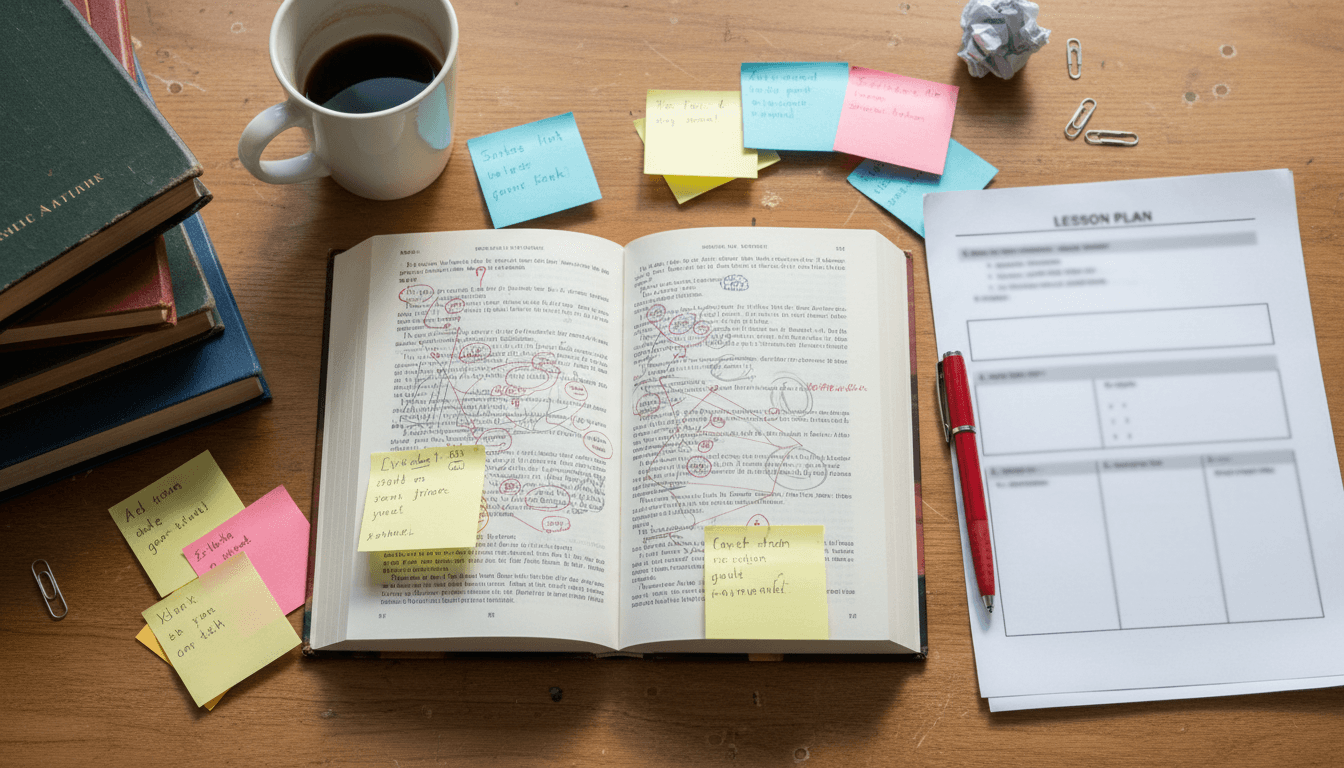
Nonfiction pages get marked up. Highlights, sticky notes, arrows between a caption and a paragraph, circles around bold words. Tell parents this is the work, not damage. "If the homework page comes home covered in pencil marks, that is the assignment doing its job. Nonfiction reading is active. The page should look used." One paragraph in the newsletter prevents a real share of phone calls.
Translate three topic vocabulary words
Three words, in sentences, with plain definitions. "Atmosphere is the layer of air around the earth. Precipitation is any kind of water falling from the sky. A meteorologist is a scientist who studies weather." That is the whole vocabulary section. Parents read it. A bullet list of fifteen words gets ignored.
A sample opening for a fourth grade weather unit
"Hello families. For the next three weeks we are reading about extreme weather. Every student chose one event to follow: hurricane, tornado, blizzard, or wildfire. This week's text feature focus is captions and diagrams.
At home: after your child reads a page, ask them to finish one sentence out loud. I learned that ___. If they cannot, reread the page together. That is all.
Words to expect this week: atmosphere, precipitation, meteorologist. Coming up: short research write-up in two weeks. Rubric goes home Friday."
How Daystage helps with a nonfiction unit newsletter
Daystage holds the six-section structure for you. Topic, text features, home question, why the homework looks messy, vocabulary, coming up. Save it once. Drop in the new content each cycle. The email goes out formatted, mobile-friendly, and short enough that parents read it instead of saving it for later.
Get one newsletter idea every week.
Free. For teachers. No spam.
Frequently asked questions
Why does nonfiction homework look so different from fiction homework?
Nonfiction reading asks kids to slow down, jump around, and use the page differently. They are reading captions, studying diagrams, skimming for headings, and rereading sections to find facts. A nonfiction homework page might look messy because the work is messy on purpose. Fiction reading flows in order. Nonfiction reading hops.
What are text features and why do they matter?
Text features are everything on a nonfiction page that is not the main paragraphs. Headings, captions, bold words, diagrams, sidebars, maps, photos with labels. They carry as much meaning as the body text. Teaching kids to read text features first, before the paragraphs, raises comprehension on every nonfiction page they ever read.
What is the I learned that line and how do parents use it?
After your child reads a nonfiction page, ask them to finish this sentence: I learned that ___. Just that. Not a paragraph, not a summary. One sentence. If they cannot finish it, they need to reread the page. It is the fastest comprehension check in nonfiction and it costs the parent five seconds.
Should you list the topic vocabulary in the newsletter?
Three to five words, tucked into a sentence. 'This unit on weather uses the words atmosphere, precipitation, and meteorologist. Atmosphere is the layer of air around the earth. Precipitation is rain, snow, sleet, or hail.' A vocabulary list at the bottom never gets read. The same words inside a sentence do.
How do you send a nonfiction newsletter cleanly to busy parents?
Send it as a short, formatted email at a steady cadence. No PDFs, no portals, no apps. Daystage was built for this. Save the six-section structure once, fill in the topic and the home question each cycle, send to every family in one click. Parents read it on their phone in the line at pickup.

Adi Ackerman
Author
Adi Ackerman is a former classroom teacher and curriculum writer with 8 years in K-8 schools. She writes about school communication, parent engagement, and what actually works in real classrooms.
More for Reading Newsletter
Ready to send your first newsletter?
3 newsletters free. No credit card. First one ready in under 5 minutes.
Get started free