

Room Parent Newsletter Guide: Communicate Like a Class Pro
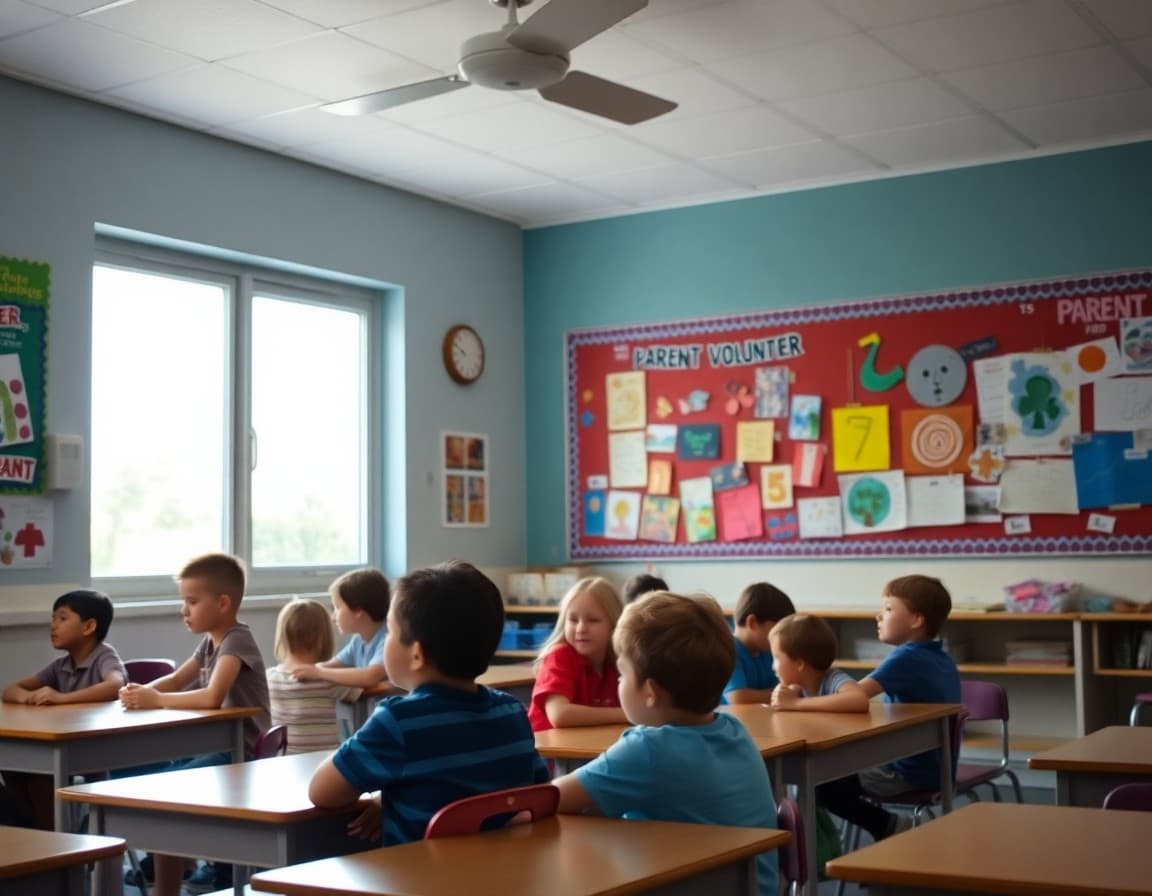
Being a room parent is a role most people take on with good intentions and very little guidance. You are the communication bridge between the classroom and the wider class family community. When that bridge works well, parents feel connected, volunteers show up, and class events run smoothly. When it does not work, families feel out of the loop, the teacher gets flooded with individual questions, and the room parent burns out trying to manage it all through group texts.
Understand Your Role Before You Write Anything
Your job is to communicate logistics and build community for one classroom. You are not the teacher's assistant and not the PTA president. You coordinate class volunteers, organize class celebrations, pass along teacher requests, and keep class families connected to each other. Everything in your newsletter should serve one of those purposes. If you are writing about something the teacher or PTA president would be better positioned to cover, point families there instead.
Talk to the Teacher Before Every Newsletter
Touch base with the teacher before you write each newsletter. Ask: "Is there anything you want me to include or avoid this month?" Teachers often have communication preferences. Some want to review room parent emails before they go out. Some have ongoing needs -- tissue boxes, hand sanitizer, Ziploc bags -- that they are too busy to mention in every communication. Getting a standing list of classroom needs from the teacher gives you easy, useful content for every newsletter.
Keep the Structure Simple and Consistent
Families who receive a room parent newsletter every month should know what to expect from its structure. A simple format that works: (1) a brief intro from you, (2) upcoming class events with dates, times, and what families need to do, (3) current volunteer opportunities with specific time commitments, (4) a classroom needs list, and (5) a note about how to reach you. Four to five sections, each two to three short paragraphs. Families can scan it in three minutes and know exactly what to do.
Be Specific About Volunteer Needs
Vague calls for help do not work. "We need volunteers for the holiday party" is not an ask, it is an invitation to feel guilty. "We need three parents to help run activity stations at the holiday party on Friday, December 19 from 1:30 to 3:00 PM" is a specific, bounded commitment that families can evaluate against their schedule. Specific asks consistently get better response rates. Always include a signup link or email address so interested families can respond without emailing to ask for details.
Handle Sensitive Information Carefully
Class newsletters occasionally need to address allergies, dietary restrictions, or accommodations for class celebrations. When you write about these, be concrete but not invasive. "Our class has students with nut allergies. Please only send store-bought treats with clear ingredient labels" is clear and actionable. You do not need to identify which student has the allergy or share personal information about any child. Protect student privacy the way you would want your own child's privacy protected.
Draft a Template at the Start of the Year
Spend 30 minutes in September setting up a standard newsletter template you can reuse every month. Header with the class name and month, your five sections, a footer with your contact information. Once that template exists, filling it in takes 15 to 20 minutes per month instead of an hour. Daystage and similar tools let you save templates and reuse them so the formatting stays consistent and you are never starting from a blank page.
Use a Reply-to Email Families Can Actually Reach
Make sure your newsletter is set up so families can reply directly to you. Many room parents use a personal Gmail or a class-specific email address for this role. Whichever you choose, check it regularly and respond within 24 hours. Families who email with a question and hear nothing either send a second message or lose confidence in class communication. Fast, clear responses to parent questions are one of the most important things a room parent can do for the classroom community.
End With One Clear Call to Action
Every newsletter should close with one specific thing you want families to do. Sign up to volunteer. Donate a specific supply item. RSVP by a specific date. Mark a date on their calendar. One ask, not five. Families who receive newsletters with too many asks tend to do none of them. A single, clear call to action at the end of your newsletter consistently produces higher response rates than a list of requests buried in the middle of the text.
Get one newsletter idea every week.
Free. For teachers. No spam.
Frequently asked questions
What should a room parent newsletter include?
A room parent newsletter covers the classroom view of school life: upcoming class events, volunteer opportunities for the specific class, reminders about donations or supplies the teacher has requested, party or celebration details, and any class-level news the teacher has shared. The room parent newsletter should complement the teacher's communication, not duplicate it. Focus on logistics and community, not academics.
How often should a room parent send a newsletter?
Two to three times per month is typical, with one main newsletter at the start of the month and brief reminder emails before major class events. Do not send daily. Families in the same class are connected by one shared space and generally appreciate concise, targeted communication that tells them what is happening in that specific classroom, not the whole school.
How does a room parent get the family email list for the class?
Ask the teacher directly. In most schools, the teacher or front office distributes a class roster with parent contact information, often at the start of the year. Some schools require families to opt in to class communication lists. Always confirm with the teacher what can be shared and how, and never distribute the class roster to anyone outside the room parent team.
What is the difference between the room parent newsletter and the teacher newsletter?
The teacher newsletter focuses on what students are learning, academic progress, and classroom policies. The room parent newsletter focuses on logistics and community: party planning, volunteer shifts, supply donations, and class events. The two complement each other. Room parents should read the teacher's newsletter before writing their own so they are not duplicating or contradicting the teacher's communication.
What tools work best for room parent newsletters?
A platform like Daystage makes it easy for room parents to create a clean, professional-looking class newsletter without needing design skills. You write the content, format it quickly, and send to the class family list in one step. Families receive it in their inbox and can reply directly to you, which works far better than group texts that turn into unreadable threads.

Adi Ackerman
Author
Adi Ackerman is a former classroom teacher and curriculum writer with 8 years in K-8 schools. She writes about school communication, parent engagement, and what actually works in real classrooms.
More for PTA & PTO
Ready to send your first newsletter?
3 newsletters free. No credit card. First one ready in under 5 minutes.
Get started free