

PTA Fundraising Chair Newsletter: Planning the Year's Events
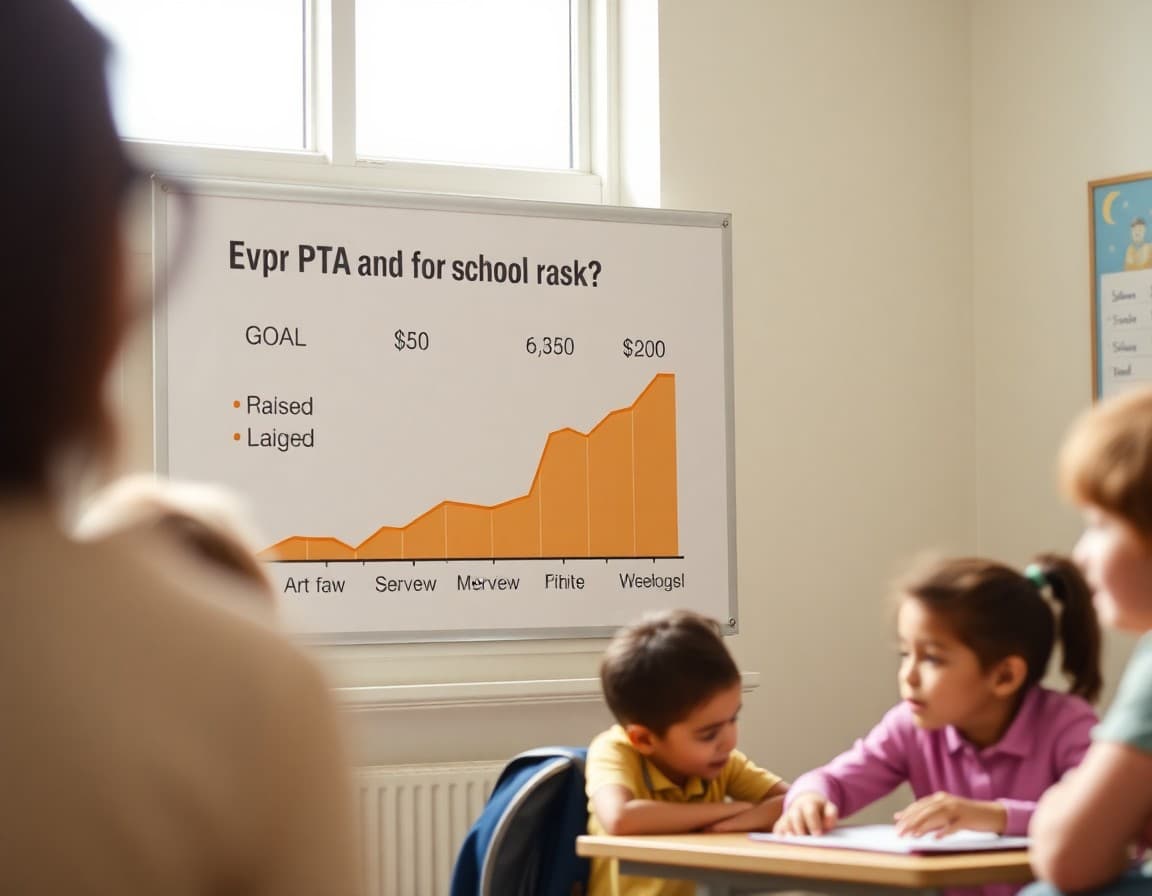
The fundraising chair carries more weight than almost any other PTA role. They need to motivate families to give, keep volunteers organized, track a financial goal, and communicate progress without burning out the community's goodwill. A strategic newsletter approach -- one that covers the whole cycle from campaign launch to final results -- makes all of that more manageable and more effective.
Publish the Annual Fundraising Calendar in September
The biggest time-saver the fundraising chair can give themselves and the school community is a clear annual calendar published before the first campaign launches. List each fundraiser by name, the approximate dates, the goal or purpose, and how families can participate. "November: Book Fair (3 days, no required purchase). February: Walkathon ($25 goal per student, raises funds for playground). April: Restaurant Night (one evening, 20% of sales donated)." Families who know what is coming plan for it. Families surprised by each campaign feel ambushed.
Campaign Launch Newsletters Drive First-Week Results
The first week of any campaign is when energy is highest and participation rates are most responsive to communication. Your campaign launch newsletter should go out the same day the campaign starts, include the specific goal in dollar amounts and in program terms, explain exactly how to participate, give the campaign end date, and include a compelling image or quote from a teacher or student explaining why the funds matter. Do not hold the launch newsletter until midweek. First-day sends get the best open rates.
Progress Updates Sustain Momentum
Many PTAs send a strong launch newsletter and then go quiet until the campaign ends. That silence kills momentum. A midpoint update newsletter that shows how much has been raised toward the goal, how many families have participated, and what percentage of the goal has been reached keeps families engaged in the last half of the campaign when participation rates typically drop. A simple sentence like "We are at 60 percent of our goal with four days left. Twenty more participating families would get us there." motivates action from families who were planning to get around to it eventually.
A Sample Walkathon Progress Update
Here is a template for a midpoint update newsletter:
"Walkathon Update: We Need You! -- We are at $8,200 of our $15,000 goal with one week left. That means we need $6,800 more to fund the outdoor reading garden and 30 classroom grants. How we are doing: 148 of 320 students have registered. If every unregistered student gets one sponsor, we reach our goal. Send this link to grandparents and neighbors -- many of our students raise half their pledges from people outside the school. Walk day is Friday, November 21 at 10 AM. Every student participates; pledge money just decides how much gets donated. Register or sponsor: [link]. Thank you for everything you have already done."
Close Every Campaign With a Results Summary
The results summary newsletter is often skipped because the campaign is over and the chair is exhausted. Do not skip it. Families who donated or fundraised need to know what happened. "We raised $16,400, exceeding our $15,000 goal. That funds the full outdoor reading garden AND 30 classroom grants. Construction starts in December. Thank you to the 218 families who participated." That close creates goodwill, validates the effort, and builds the community investment that drives the next campaign.
Communicate How Money Will Be Used Before It Is Spent
One of the best ways to build family trust in fundraising is to communicate the spending decision before it is executed. After a successful campaign, send a brief update: "The board voted last week to allocate the walkathon funds as follows..." Families who see that their donation is being stewarded thoughtfully are more confident in the next ask. Families who donate and never hear what happened with the money stop donating.
Thank Families Specifically, Not Generally
Every campaign close newsletter should include specific recognition. Name the class with the highest participation. Name the student who raised the most. Name the family that organized the restaurant night. Specific recognition makes people feel seen and builds the culture of community engagement that sustains a PTA across years and across leadership transitions.
Get one newsletter idea every week.
Free. For teachers. No spam.
Frequently asked questions
What should a PTA fundraising chair communicate in a newsletter?
The fundraising chair's newsletter should cover the annual fundraising calendar at the start of the year, launch communication for each specific campaign including the goal and how funds will be used, progress updates during campaigns, and a final report on what was raised and how the money will be spent. Families who understand the full cycle from goal to outcome are more likely to participate in the next campaign.
How do you set a fundraising goal in a newsletter without discouraging families?
State the goal in terms of what it will accomplish, not just the dollar amount. 'Our goal is to raise $15,000, which will fund the new outdoor reading garden and 30 classroom grants at $100 each' is more motivating than '$15,000 needed.' Make the goal feel achievable: 'If every family donates or fundraises $40, we meet our goal.' Participation-based framing works better than dollar-shock for most school communities.
How many fundraisers should a PTA run per year, and how do you communicate about all of them without overwhelming families?
Two or three major fundraisers per year is typical. More than four creates donor fatigue and family resentment. Publish the full fundraising calendar in the first fall newsletter so families know what is coming and can plan accordingly. Lead each campaign with a strong launch newsletter, follow with a midpoint progress update, and close with a thank-you and results summary. Space campaigns at least six to eight weeks apart.
How do you write a fundraising newsletter that does not feel pushy?
Lead with the purpose, not the ask. 'We are raising money for the reading garden because 15 teachers requested more outdoor learning space last spring' is better than 'Please donate now.' Acknowledge that not everyone can give the same amount: 'Any contribution, large or small, moves us toward our goal.' Offer non-financial ways to participate like sharing on social media or volunteering. Families who feel respected rather than pressured give more and complain less.
Can Daystage support PTA fundraising newsletters?
Yes. Daystage lets the fundraising chair send a campaign launch newsletter, a midpoint progress update with a progress bar or thermometer graphic, and a final thank-you summary all from the same platform. You can embed donation links directly in the newsletter and track which communications drove the most engagement so you know what to repeat for the next campaign.

Adi Ackerman
Author
Adi Ackerman is a former classroom teacher and curriculum writer with 8 years in K-8 schools. She writes about school communication, parent engagement, and what actually works in real classrooms.
More for PTA & PTO
Ready to send your first newsletter?
3 newsletters free. No credit card. First one ready in under 5 minutes.
Get started free