

PTA Event Planning Newsletter: How to Communicate Community Events and Get Volunteers
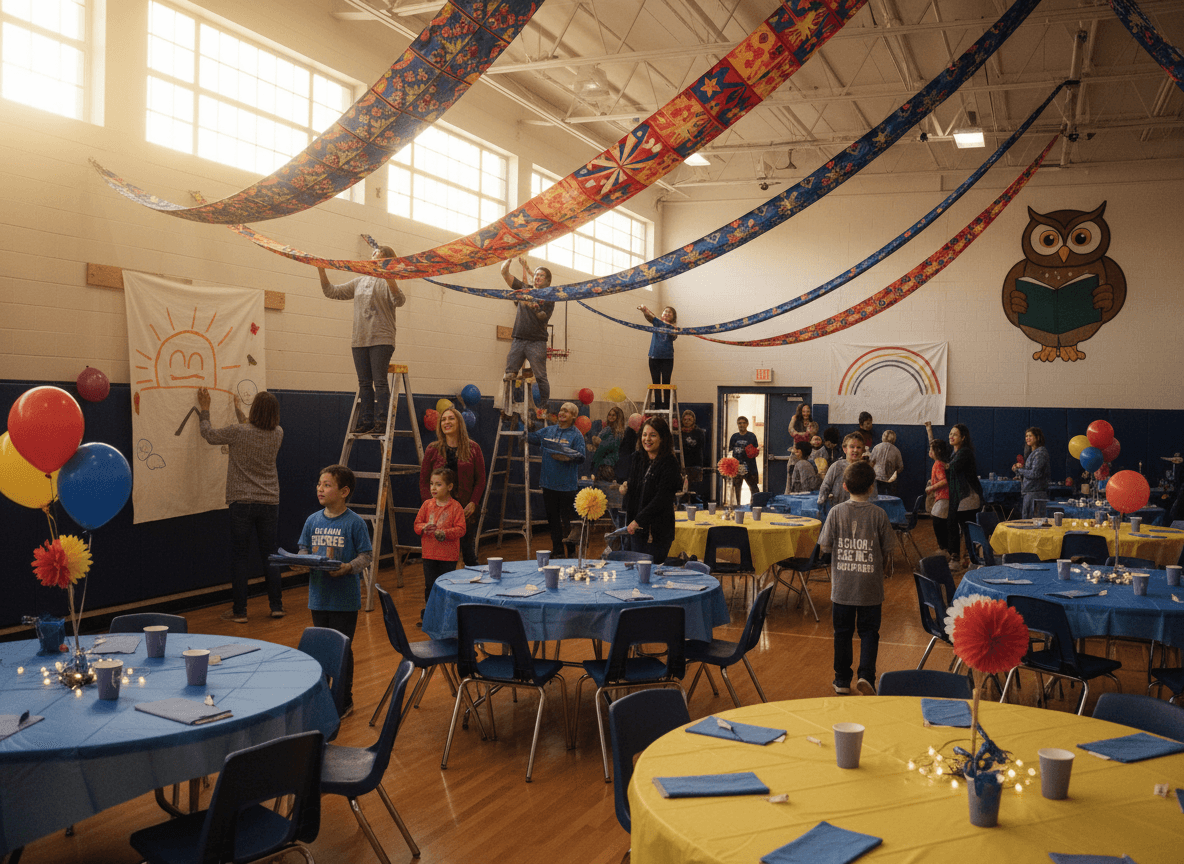
PTA events succeed or fail before the first family walks through the door. The planning work is obvious, but the communication work is just as important. An event with strong logistics and poor communication draws a fraction of the attendance it could. An event with solid communication can survive imperfect logistics because families show up prepared and excited.
The event newsletter timeline is the communication plan. It runs from six weeks before the event to two weeks after. Each phase has a specific job.
Six weeks out: the announcement newsletter
The announcement newsletter does one thing: puts the event on the calendar before families have committed to anything else. It does not need to be long or detailed. The essentials are the event name, date, time, and location, plus a one-sentence description of what it is for families who have not attended before.
If the event has a registration deadline, name it. If there is an early-bird pricing window, say so. The six-week newsletter plants the flag. Everything after this builds on it.
This is also a good time to open volunteer sign-ups. Families who see a volunteer need at six weeks out have more flexibility to commit than families who see the ask at two weeks. Include a direct link to the sign-up form with specific roles and time commitments listed.
Two weeks out: the detail newsletter
The two-week newsletter is where families who are coming get everything they need. What to bring, what to wear, where to park, what is included in the admission price and what costs extra, whether kids need to be supervised or if there is structured programming for them.
This newsletter also functions as a second push for families who forgot about the event from the initial announcement. The urgency is natural at this point, not manufactured. If registration is closing or volunteer slots are nearly full, say so.
Include a "share this with a friend" prompt. PTA events often have capacity for more families than attend. A single newsletter sent to your existing list can expand reach if you explicitly invite families to forward it.
Three days out: the reminder
The three-day reminder is short. Recap the date, time, and location. Link to the event page or registration confirmation. Remind volunteers of their check-in time and instructions. Done.
This is not the place for new information. Families who are coming need a nudge, not a document. Keep it to five sentences maximum.
Post-event recap with photos
The post-event newsletter is the most neglected phase of event communication and often the most valuable for long-term community building. Families who could not attend see what they missed. Families who attended relive a good experience. Both effects build anticipation for the next event.
Post-event newsletters should include three to five photos from the event, a specific outcome (funds raised, families attended, books collected, hours volunteered), and a thank-you to volunteers and donors. Name the volunteers if you can. Named recognition builds more goodwill than a generic thank-you.
Send the recap within five days of the event, while the memories are still fresh for families who attended. After two weeks, the moment has passed.
Volunteer coordination through the newsletter
Event volunteer communication often collapses into a single ask, which produces a flood of sign-ups for popular roles and nothing for unglamorous ones. A better approach is to sequence volunteer asks across the event communication timeline, matching the type of volunteer needed to each phase.
Six weeks out: planning and setup volunteers. Four weeks out: day-of role volunteers. Two weeks out: fill remaining gaps and send confirmation to everyone who has signed up. Three days out: logistics reminder to confirmed volunteers only.
Each ask should give volunteers enough information to know exactly when to show up, where to go, and who to contact with questions. Confusion on event day is often traceable to volunteer communication that was vague about logistics.
Balancing event promotion with event information
Event newsletters work best when they inform rather than sell. Families can tell the difference between a newsletter that genuinely helps them decide whether the event is right for them and one that is just promotional noise. The first gets read and forwarded. The second gets deleted.
This means giving families enough specific information to make a real decision. What will the experience be like? What is the target age range for kids? How loud or sensory-heavy will it be? What should families bring? Families who show up knowing what to expect have better experiences and are more likely to come back next year.
Using Daystage for event newsletter workflows
Sending multiple newsletters for a single event requires a reliable system. With Daystage, you can create the announcement newsletter, duplicate it for the detail version and the reminder, and schedule all three in advance. The event communication runs on autopilot while the volunteer committee focuses on logistics.
The photo-rich post-event recap is where Daystage's inline email format earns its value. Photos that render directly in the inbox, without links to external sites, get looked at. Links to photo galleries or PDF recaps get clicked by far fewer families. The event that looks good in the recap email builds enthusiasm for the next one.
Get one newsletter idea every week.
Free. For teachers. No spam.
Frequently asked questions
When should a PTA start sending event newsletters for community events?
Start the announcement newsletter six weeks out to lock the date on family calendars before they commit to other plans. Send the detail newsletter two weeks out with everything families need to attend. Follow with a three-day reminder, then a post-event recap within five days of the event while the memories are still fresh.
What should a PTA event planning newsletter include?
The announcement needs the event name, date, time, location, one-sentence description, and a volunteer sign-up link with specific roles listed. The detail newsletter needs logistics (what to bring, parking, what costs extra), registration deadline if applicable, and a forward-to-a-friend prompt. The post-event recap needs three to five photos, specific attendance or funds numbers, and named volunteer recognition.
How should PTAs coordinate volunteers through event newsletters?
Sequence the volunteer asks across the timeline rather than sending one all-at-once request. Six weeks out, recruit planning and setup volunteers. Four weeks out, fill day-of roles. Two weeks out, confirm everyone who signed up and fill remaining gaps. Each ask should name the specific role, the exact date and time, and who to contact with questions. Vague asks produce confusion on event day.
What are common mistakes PTA event newsletters make?
Sending only one announcement and skipping the detail and reminder newsletters is the most preventable missed attendance. A post-event recap that never goes out is the second, leaving the organization without the community-building and anticipation-building value that recap delivers. Including too much information in the three-day reminder, instead of just the essentials, is a third.
How does Daystage help PTAs manage the full event newsletter timeline?
With Daystage, you can create the announcement newsletter, duplicate it for the detail version and the reminder, and schedule all three in advance before the event committee turns its attention to logistics. The photo-rich post-event recap is where Daystage's inline email format earns its value, since photos that render directly in the inbox get looked at far more than links to external photo galleries.

Adi Ackerman
Author
Adi Ackerman is a former classroom teacher and curriculum writer with 8 years in K-8 schools. She writes about school communication, parent engagement, and what actually works in real classrooms.
More for PTA & PTO
Ready to send your first newsletter?
3 newsletters free. No credit card. First one ready in under 5 minutes.
Get started free