

February Newsletter Template for PTA Members
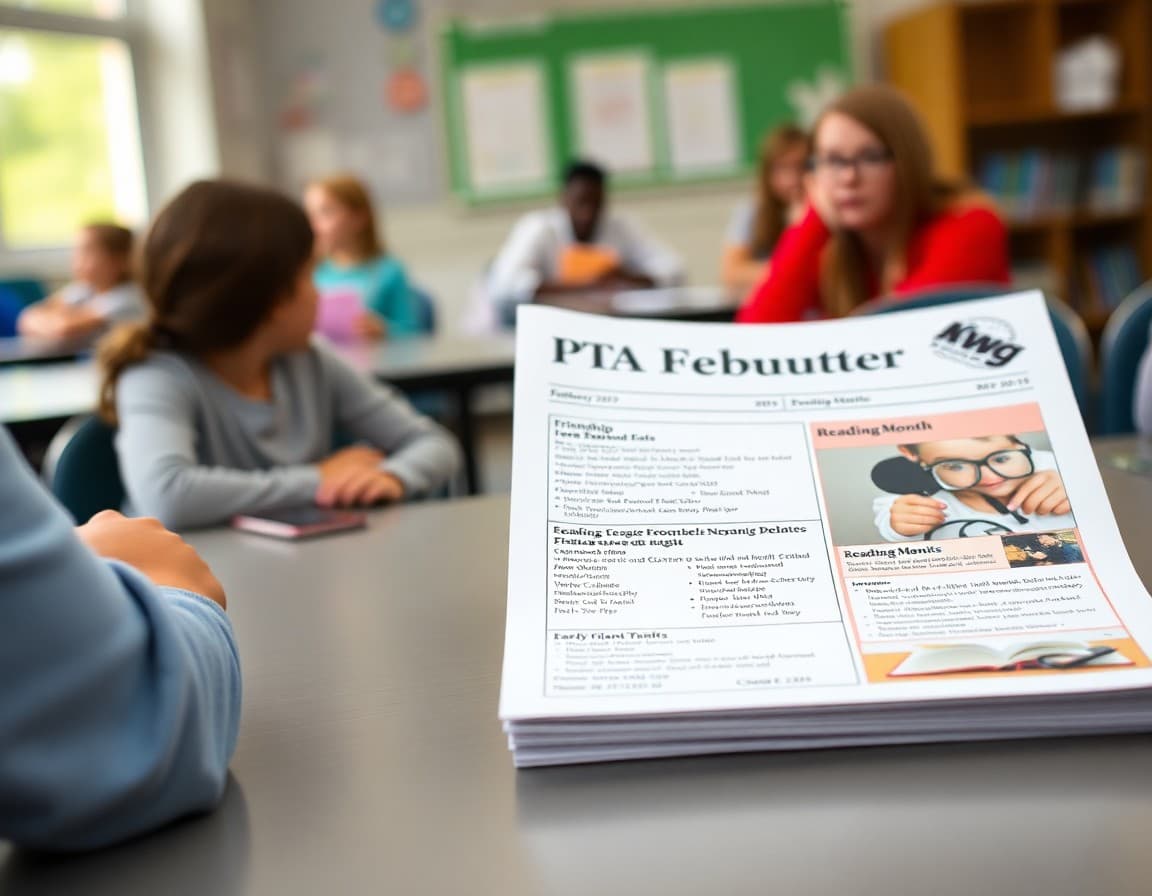
February gives PTA leaders more to work with than almost any other month. Black History Month, Valentine's Day, Read Across America, and the first real wave of spring planning all land in a 28-day window. The challenge is not finding content; it is organizing it so families can absorb what is relevant to them without feeling overwhelmed by a newsletter that tries to cover everything at once.
Opening: Community and Connection in February
February's newsletter opening sets the tone for the whole month's community-building theme. Lead with a brief celebration of what makes your school community strong, connected to a February theme of friendship, literacy, or cultural pride. A paragraph that names one specific school community moment from January (a well-attended event, a fundraiser milestone, a community act of kindness) before pivoting to February's opportunities keeps the opening grounded in specifics rather than generic seasonal goodwill.
Section: Valentine's Day and Friendship Celebrations
Valentine's Day classroom events need clear parent guidance to go smoothly. The February newsletter should include: the school's policy on cards and treats (some schools require cards for every student; some prohibit food), the class roster approach (most classes use first names only on cards; confirm this in the newsletter), and the party date and any volunteer needs. For PTAs organizing a school-wide friendship event separate from classroom parties, include the full event details: date, time, location, whether children attend independently or with families, and what they will do there.
Section: Read Across America and Literacy Month
If the school is observing Read Across America Week (the week of March 2, Dr. Seuss's birthday), the February newsletter is when families get their preview. List any special events: author visits, classroom dress-up days, family reading nights, or literacy-themed activities. Include a family reading challenge that families can start at home during February to build toward the March celebration. A simple challenge: "Read 10 books together as a family in February. Submit a list to the school library and earn a free bookmark" is specific, achievable, and gives families a concrete way to participate before the formal Read Across America week.
Template: February PTA Newsletter Event Calendar Section
Here is a ready-to-adapt event section:
"February and Early March Events
February 7: PTA General Meeting, 6:30 PM, School Library (childcare provided)
February 11: Friendship Card Exchange - send cards by Feb 10 (class list in backpack this week)
February 14: Valentine's Celebration Day - no outside food; school-provided treats only
February 17-21: Presidents' Week - no school
February 24: Spring Auction Committee Planning Meeting, 7 PM (new volunteers welcome!)
March 2-6: Read Across America Week - see below for daily themes
March 6: Family Reading Night, 6-8 PM"
Section: Black History Month Spotlight
Connect Black History Month to something tangible at your school. Options: a list of books the school library has highlighted this month with how to check them out, a feature on a Black historical figure connected to a subject your school is studying, a note about any school or district events celebrating Black History Month and how families can attend, or a brief profile of a current community member or school family member who has given permission to be featured. Generic acknowledgment without specific content adds nothing; specific content that connects to what families can access or attend is meaningful.
Section: Spring Fundraiser Preview
If your spring fundraiser launches in March or April, use the February newsletter to build anticipation. Share the fundraiser's goal (specific dollar amount and what it will fund), the format (auction, read-a-thon, fun run, walk), and the key dates. Ask families who want to join the planning committee to sign up this month. Early planning committee recruitment means your spring fundraiser has enough organizational support before the event-planning crunch hits in March. Include last year's fundraiser results if they are a point of pride: "Last spring, 380 families participated in the fun run and we raised $6,800. This year's goal is $7,500."
Section: Volunteer Thank-You and Recruitment
February is an appropriate time for a mid-year thank-you to the families who have been consistently volunteering since September. Call out specific volunteer contributions without making anyone feel guilty for not contributing. Then open new slots for spring: list the three biggest upcoming volunteer needs with a sign-up link for each. A simple, specific ask ("we need four families to help set up the spring carnival on April 17 from 3-5 PM") converts more sign-ups than a general appeal for volunteer help.
Get one newsletter idea every week.
Free. For teachers. No spam.
Frequently asked questions
What makes February a unique month for PTA newsletters?
February sits at a sweet spot in the school year. The post-holiday slump is over, spring events are close enough to plan for but not yet here, and Valentine's Day and Black History Month create natural hooks for community-building content. It is also Read Across America month, which gives PTAs a platform for literacy advocacy that resonates with most school families. February newsletters have more natural content hooks than almost any other month, which means the challenge is editing down rather than filling up.
Should the February PTA newsletter address Black History Month?
Yes, thoughtfully. The PTA newsletter can acknowledge and celebrate Black History Month with specific information about school events, recommended reading lists that families can access, or a spotlight on a community member or historical figure connected to the school's curriculum focus. Avoid generic mentions that add no specific content. Connect the mention to something tangible: 'Our school library has assembled a 30-book Black History Month display. Students can check out two books at a time through March 15.'
How should the February newsletter handle Valentine's Day events for all families?
Frame Valentine's Day events as friendship and community celebrations rather than romance-focused activities, which is both more appropriate for school settings and more inclusive for families with different values around the holiday. 'Friendship card exchange' and 'community appreciation event' language works better than 'Valentine's party' for a diverse school population. If the event involves cards or treats, include clear guidance on allergy considerations and class lists in the newsletter so families can prepare appropriately.
What spring events should the February newsletter begin promoting?
Any spring event that requires family commitment three to four weeks in advance should appear in the February newsletter. This typically includes: spring auction (if the PTA holds one in March or April), spring sports registrations, spring fundraiser launch details, science fair volunteer needs, and spring picture day logistics. February is when families start filling their spring calendars; newsletters that get on those calendars early secure the attendance and volunteer commitments that later newsletters cannot.
How can Daystage make February PTA newsletters easier to produce?
Daystage's template feature lets PTA leaders duplicate the January newsletter structure for February, updating dates and content without rebuilding from scratch. The block-based layout makes it easy to swap out sections like event calendars and volunteer sign-up blocks while keeping the visual structure consistent month to month. Consistent formatting across months helps families quickly find what they need in each issue.

Adi Ackerman
Author
Adi Ackerman is a former classroom teacher and curriculum writer with 8 years in K-8 schools. She writes about school communication, parent engagement, and what actually works in real classrooms.
More for PTA & PTO
Ready to send your first newsletter?
3 newsletters free. No credit card. First one ready in under 5 minutes.
Get started free