
Teacher Newsletter: Keeping Families Informed During a Social Studies Unit
Social studies units bring history, geography, economics, and civics into the classroom in ways that connect directly to students' lives and their families' experiences. When a teacher sends a newsletter introducing a social studies unit, it opens the door to some of the richest conversations students can have between school and home. It also gives families the context to support learning, share their own knowledge, and prepare for discussions that might be new or challenging.
Introduce the Unit Topic and Essential Questions
Open with the topic and the questions that will guide the unit. "This unit asks: how did the Civil Rights Movement change everyday life in America?" is more engaging than "we are starting our Civil Rights unit." Essential questions give families a thinking framework for the unit and help students see that social studies is about analyzing real human experiences, not memorizing dates and names.
Describe the Time Period or Geography
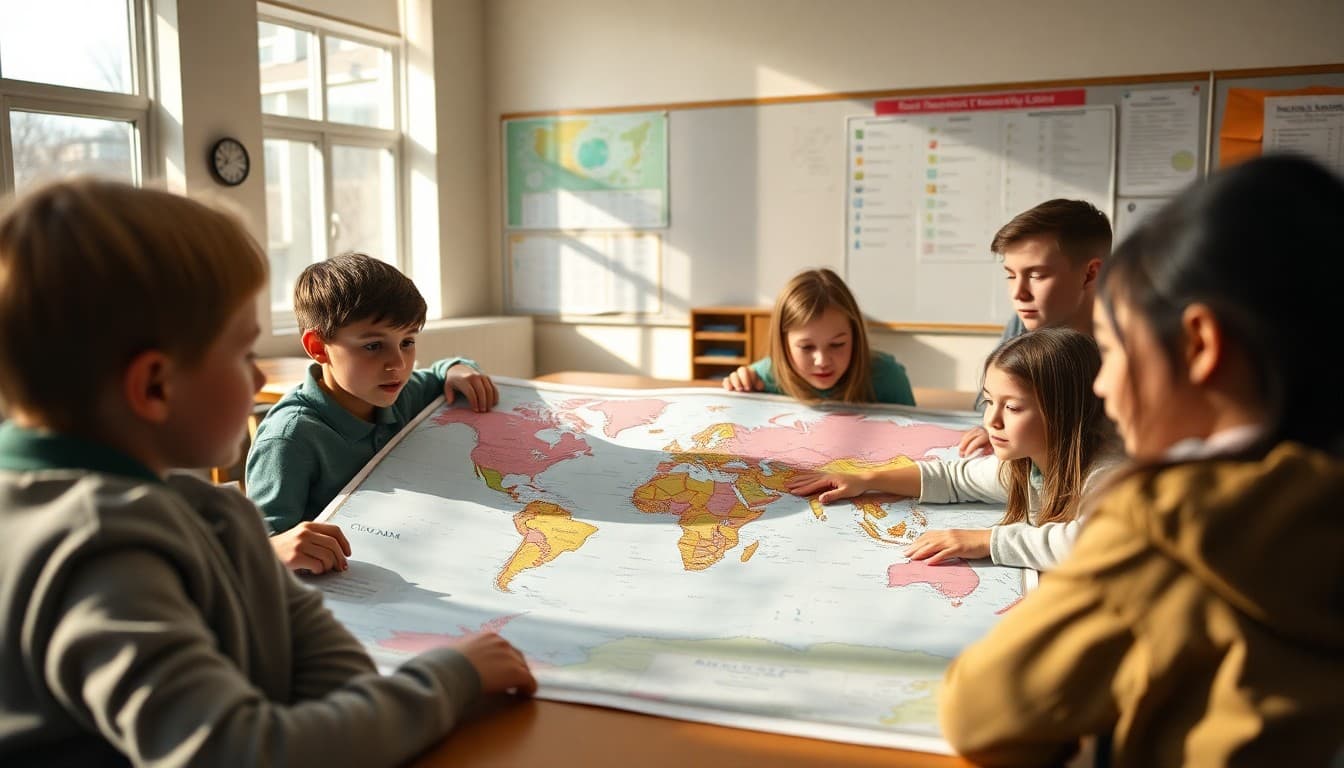
Social studies units span history, geography, and cultural studies at very different scales. Tell families exactly what they are zooming in on: ancient Mesopotamia, colonial New England, modern-day South America, or local community history. The sharper the focus, the better families can support the learning. A family with relatives from the region being studied, or personal connections to the time period, can offer experiences that enrich classroom discussion in ways the teacher alone cannot.
Preview the Key Vocabulary
Social studies vocabulary is often specialized and can feel distant from daily conversation. List the key terms with plain definitions. Terms like "suffrage," "primary source," "supply and demand," or "amendment" are worth explaining briefly so families can reinforce them at home. When students hear their parents use historical vocabulary in casual conversation, the words become part of their permanent working vocabulary rather than terms that exist only in school.
Connect to the Present Day
One of the most effective things a social studies newsletter can do is draw a line between what students are studying and what families observe in the world today. A unit on immigration history connects to current conversations about immigration policy. A unit on the Great Depression connects to family experiences of economic hardship. A unit on local government connects to the election cycle families see in the news. These connections make history feel relevant and give families conversation material that is both educational and personally meaningful.
Address Sensitive Content Directly
Many social studies units include content that is historically significant but difficult: slavery, genocide, colonization, war, or discrimination. Be direct in the newsletter about what students will encounter. Describe the grade-appropriate approach being used and the historical thinking skills that students are developing. Families who know in advance that their child will be studying the internment of Japanese Americans during World War II are far better prepared to support that learning than families who hear about it second-hand from a child who came home upset.
Suggest Home Conversations and Activities
Give families specific conversation starters tied to the unit: "Ask your child which primary source they found most surprising and why" or "Tell your child about a time when you experienced a law or rule that seemed unfair." Family oral history is a legitimate social studies source and one that students find deeply engaging. Encouraging families to share their own experiences as part of the unit connects classroom learning to lived knowledge in a way that no textbook can replicate.
Preview the Culminating Assessment
If the unit ends with a project, essay, oral presentation, or museum walk, describe it now. Families who know what the final product looks like can support their child's research and thinking without doing the work for them. Daystage makes it easy to close the newsletter with a link to the project rubric or instructions so families who want the full picture can access it directly rather than waiting for it to come home in a paper folder.
Get one newsletter idea every week.
Free. For teachers. No spam.
Frequently asked questions
Why is family communication especially important during social studies units?
Social studies topics often intersect with family history, cultural background, and current events. A newsletter that introduces the unit gives families context to share their own experiences and perspectives, which enriches learning for the student. It also helps families feel prepared for conversations about potentially complex topics like historical injustice or civic conflict.
What should a social studies unit newsletter include?
Include the unit topic and essential questions, the time period or geography being studied, key vocabulary, how the content connects to the present day, and conversation starters families can use at home. If the unit includes primary sources, guest speakers, or field trips, note those in advance.
How do we address sensitive historical topics in a family newsletter?
Be direct about what students will be studying, including difficult chapters of history. Describe the grade-appropriate approach the teacher is taking, emphasize the historical thinking skills students are developing, and invite families to reach out if they have questions about how the content is being handled. Avoidance signals discomfort; directness signals professionalism.
How do we keep social studies newsletters politically neutral?
Focus on historical facts, civic processes, and analytical skills rather than contemporary political positions. A newsletter about a unit on voting rights describes what students are learning about the history of voter access and the legislative process, not the teacher's views on current election policy. The distinction is between civic education and advocacy.
What tool works best for school newsletters?
Daystage makes it easy for teachers to attach primary source images, maps, or brief document excerpts from the unit to the newsletter, giving families a window into the actual materials their children are working with.

Adi Ackerman
Author
Adi Ackerman is a former classroom teacher and curriculum writer with 8 years in K-8 schools. She writes about school communication, parent engagement, and what actually works in real classrooms.
More for Professional Development
Ready to send your first newsletter?
3 newsletters free. No credit card. First one ready in under 5 minutes.
Get started free