

Teacher Newsletter: Updating Families on a Classroom Project in Progress
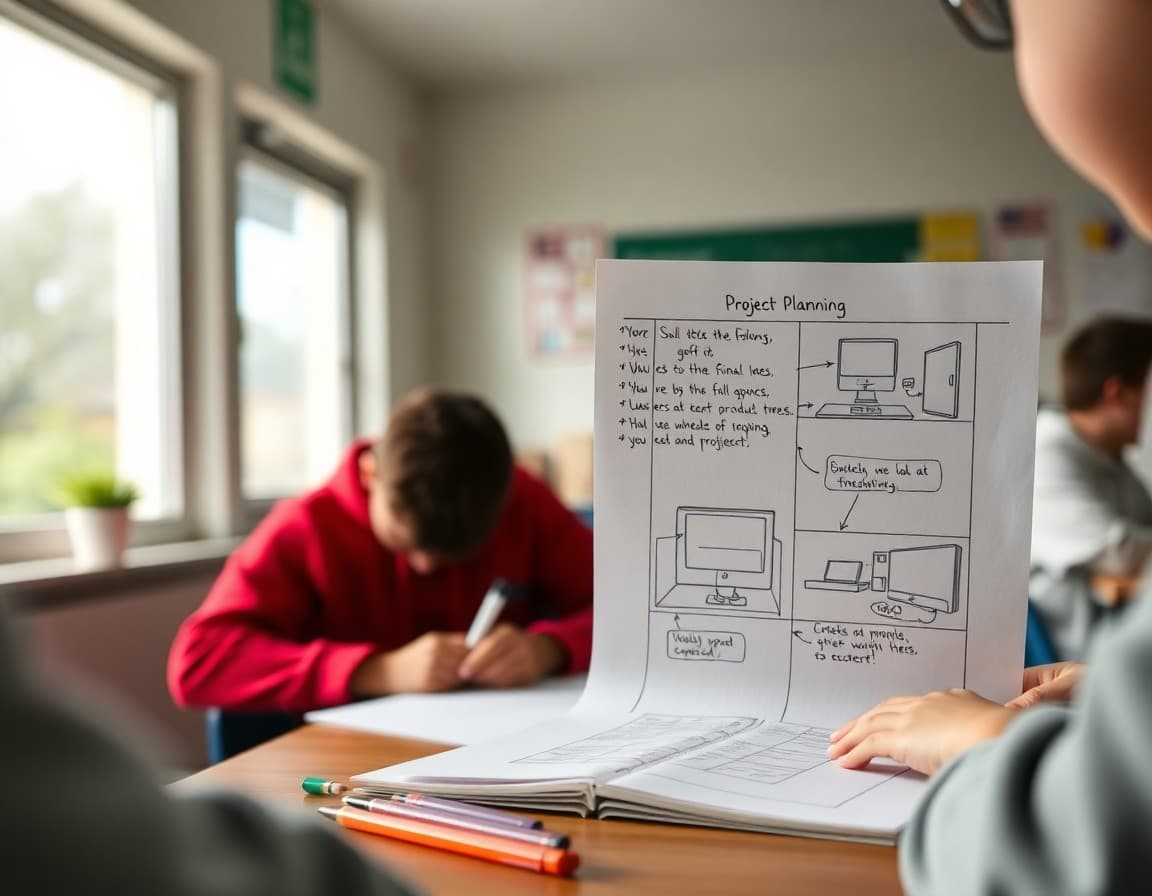
Projects that stretch across multiple weeks are some of the most powerful learning experiences in school. They are also the experiences most likely to generate family anxiety about whether their child is on track, whether they are supposed to help at home, and what the final product is supposed to look like. A mid-project newsletter answers all of those questions before they become worried phone calls.
Describe Where Students Are in the Project
Open with a clear picture of the project's current stage. Are students finishing their research phase and moving into drafting? Are they building a model and preparing a presentation? Have they completed a first draft and are now revising based on peer feedback? A specific stage description helps families understand the rhythm of the work and calibrate their expectations for what they will hear about at home.
Describe the Project's Core Learning Goals
Projects often develop multiple skills simultaneously. Name the most important ones for this project: research skills, argumentative writing, oral presentation, data analysis, creative problem-solving, or collaboration. Families who understand what their child is supposed to be learning from the project are better positioned to support that learning than families who see it as just a school assignment they need to help finish.
Share What the Class Is Producing Well
Describe one or two things that stand out about how the class has engaged with the project so far. "Students have been asking really thoughtful research questions" or "the peer feedback sessions have been some of the most engaged class discussions this year" gives families a positive picture of the work and signals that the project is producing genuine learning. This section is brief, but it sets a tone that makes the rest of the newsletter feel supportive rather than corrective.
Tell Families Exactly What Appropriate Support Looks Like
This is the most important section of a project update newsletter. Families want to help, but they often do not know what is appropriate. Be specific: "The best thing you can do is ask your child to explain their project to you and ask follow-up questions" or "If your child needs help finding sources, suggest searching these two databases rather than doing the search for them." Telling families what is helpful versus what inadvertently does the work for the student is a service to everyone.
Describe the Final Product
Remind families what the project will produce: a written report, a poster, a digital presentation, a physical model, a performance, or a demonstration. Give them enough detail to picture the final product and understand what the student is working toward. If the project will be shared at a class presentation night or a family showcase, name the date and invite families to attend.
Give the Completion Timeline
Name the due date and describe any intermediate check-in dates between now and completion. If the teacher is reviewing drafts this week and final projects are due in two weeks, say so. A clear timeline helps families support pacing at home rather than discovering at 9 p.m. the night before the due date that a major project was due the next morning.
Close With a Celebration
End the newsletter with an invitation to the final presentation, exhibition, or celebration. Tell families what they will see when the project is done and why it is worth looking forward to. Daystage makes it easy to include an RSVP link for a presentation event directly in the newsletter so families can confirm attendance in one click. A project that families can witness and respond to becomes a meaningful shared experience rather than something that happened at school and came home in a folder.
Get one newsletter idea every week.
Free. For teachers. No spam.
Frequently asked questions
When should a teacher send a project update newsletter?
Send one at the start of the project to describe it, one mid-project when students are in the thick of the work, and one to celebrate the final product. The mid-project update is the most useful for families because it tells them what support is appropriate at that stage and what is coming next.
What should a mid-project newsletter cover?
Cover what stage students are at, what the project requires students to do, what the teacher has observed about how the class is progressing, what families can do to support without taking over, and the timeline for completion. A clear statement of what is appropriate home support prevents both over-involvement and under-involvement from families.
How do we handle projects where some students are behind?
The newsletter describes the class-wide picture. Students who are behind should receive individual outreach, not be described in a group communication. The newsletter can note that the teacher is working with individual students on pacing without identifying who is behind.
How do we describe project work to families who are unfamiliar with project-based learning?
Explain that project-based learning is structured and skill-focused, not just free time. Describe the specific skills the project develops: research, writing, presentation, collaboration, problem-solving. Families who understand the learning purpose of a project are more likely to value it than families who see it as an unstructured activity.
What tool works best for school newsletters?
Daystage is useful for project newsletters because you can include photos of student work in progress, which makes the update feel immediate and engaging. Seeing their child's actual work in a newsletter motivates families to ask better questions about what they are creating.

Adi Ackerman
Author
Adi Ackerman is a former classroom teacher and curriculum writer with 8 years in K-8 schools. She writes about school communication, parent engagement, and what actually works in real classrooms.
More for Professional Development
Ready to send your first newsletter?
3 newsletters free. No credit card. First one ready in under 5 minutes.
Get started free