
Teacher Newsletter: Sharing Positive Behavior Expectations With Families
Behavior expectations work best when school and home are aligned. A teacher who explains classroom expectations to families at the start of the year, and describes how those expectations connect to values families already hold, builds a stronger community around student conduct than a teacher who handles behavior entirely within the classroom. A positive behavior newsletter is a practical tool for creating that alignment before problems arise.
Describe the Classroom Community Values
Open with the values that guide behavior in this classroom. Not a list of rules, but a description of the community the teacher and students are building together. What does it look like when students treat each other with respect? What does responsibility look like in this classroom? What does it mean to be a learner who persists when something is difficult? Values-based language connects classroom expectations to things families already care about and makes the expectations feel meaningful rather than arbitrary.
Explain the Behavior System
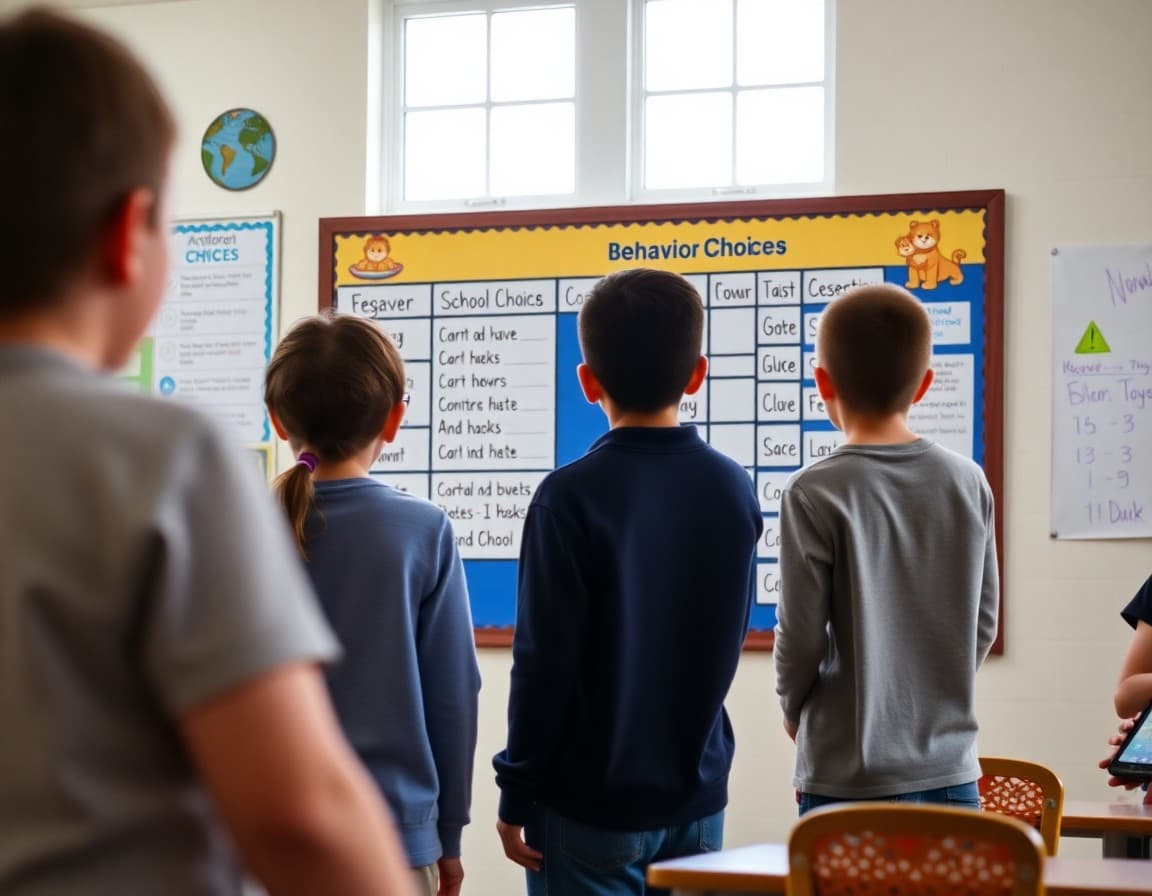
Describe how the teacher recognizes and reinforces positive behavior in class. If the school uses a Positive Behavioral Interventions and Supports system, describe how it works in this classroom: what the acknowledgment tokens or recognition system looks like, what students earn, and how often they receive feedback. Families who understand the system can reinforce it by asking about it at home: "Did you earn any recognition today?" or "What choice are you most proud of this week?"
Describe What Happens When Behavior Does Not Meet Expectations
Families deserve to understand the consequence structure before their child encounters it. Describe what happens when students make poor choices: a reflection conversation, a natural consequence, a behavior chart, contact home, or a visit to the office depending on the severity. This section should be matter-of-fact, not threatening. Families who understand the system are better partners when the teacher needs to follow up about a specific incident.
Connect Classroom Values to Home Life
The most effective part of a positive behavior newsletter is the section that gives families specific ways to reinforce classroom values at home. This does not mean assigning families the teacher's job. It means suggesting conversation prompts: "What is one thing you did today that showed you were being responsible?" or "How did you help someone in class today?" Questions that ask students to reflect on their positive choices build the habit of self-assessment that underpins good behavior.
Share What the Class Is Doing Well
Include a brief note about something the class has already demonstrated that reflects the classroom values. "This class has been exceptional about making sure everyone feels included during group work" or "the way students have supported each other during the challenging parts of our math unit has been impressive." Positive observations in family communication set an expectation of success rather than framing the behavior newsletter as a warning about potential problems.
Describe Community-Building Activities
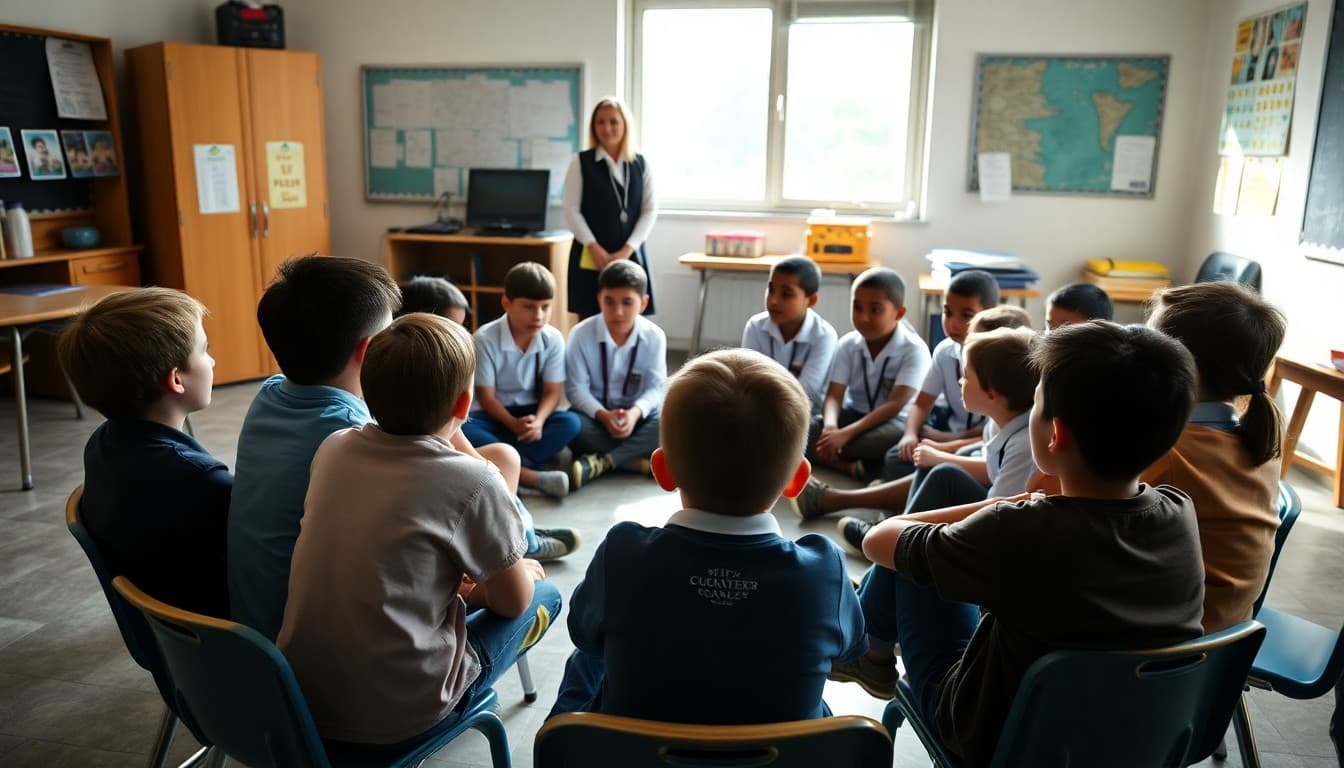
Many teachers use morning meetings, class circles, team-building activities, or restorative practices to build classroom community. Describe what these look like and why they matter. Families who understand that the first fifteen minutes of the day is a structured community meeting, not free time, have a different picture of the classroom and of the teacher's approach to building the conditions for learning.
Ask Families to Share Their Values
Close the newsletter by inviting families to share anything from their home values or cultural traditions that they would like the classroom community to reflect. This question signals that the classroom community is informed by the whole community of families, not just by the teacher's assumptions. Daystage makes it easy to include a simple form link where families can respond, and the teacher can incorporate what they learn into class discussions about community.
Get one newsletter idea every week.
Free. For teachers. No spam.
Frequently asked questions
When should a teacher send a positive behavior newsletter?
Send one at the start of the school year to introduce classroom expectations before any behavior issues arise. Send follow-up newsletters when the class has collectively grown in a specific area worth celebrating, or when a behavior shift is needed and the teacher wants family partnership. Proactive communication about behavior is far more effective than reactive communication after a problem has developed.
What should a positive behavior newsletter include?
Include the classroom behavior expectations in plain language, how the teacher recognizes and reinforces positive behavior, what happens when behavior does not meet expectations, how families can reinforce classroom values at home, and specific ways families can talk to their children about what it means to be a good community member.
How do we describe behavior expectations without sounding punitive?
Lead with descriptions of what students are doing well and what positive behavior looks like, not with lists of rules and consequences. A newsletter that describes the qualities the class values, such as respect, responsibility, and perseverance, and then explains how those qualities are practiced in the classroom, has a completely different tone from a newsletter that lists prohibited behaviors.
How do we handle a newsletter about behavior when a specific incident has occurred?
Class-wide behavior newsletters should not reference specific incidents or individual students. If a general pattern in the class needs addressing, describe the pattern and the approach without identifying any student. If a specific family needs to know about their child's behavior, that is a private conversation, not a newsletter.
What tool works best for school newsletters?
Daystage makes it easy to send a positive behavior newsletter that includes photos of class community-building activities, showing families the positive classroom culture in action rather than just describing it in words.

Adi Ackerman
Author
Adi Ackerman is a former classroom teacher and curriculum writer with 8 years in K-8 schools. She writes about school communication, parent engagement, and what actually works in real classrooms.
More for Professional Development
Ready to send your first newsletter?
3 newsletters free. No credit card. First one ready in under 5 minutes.
Get started free