

Principal Newsletter: Celebrating World Language Week at Your School
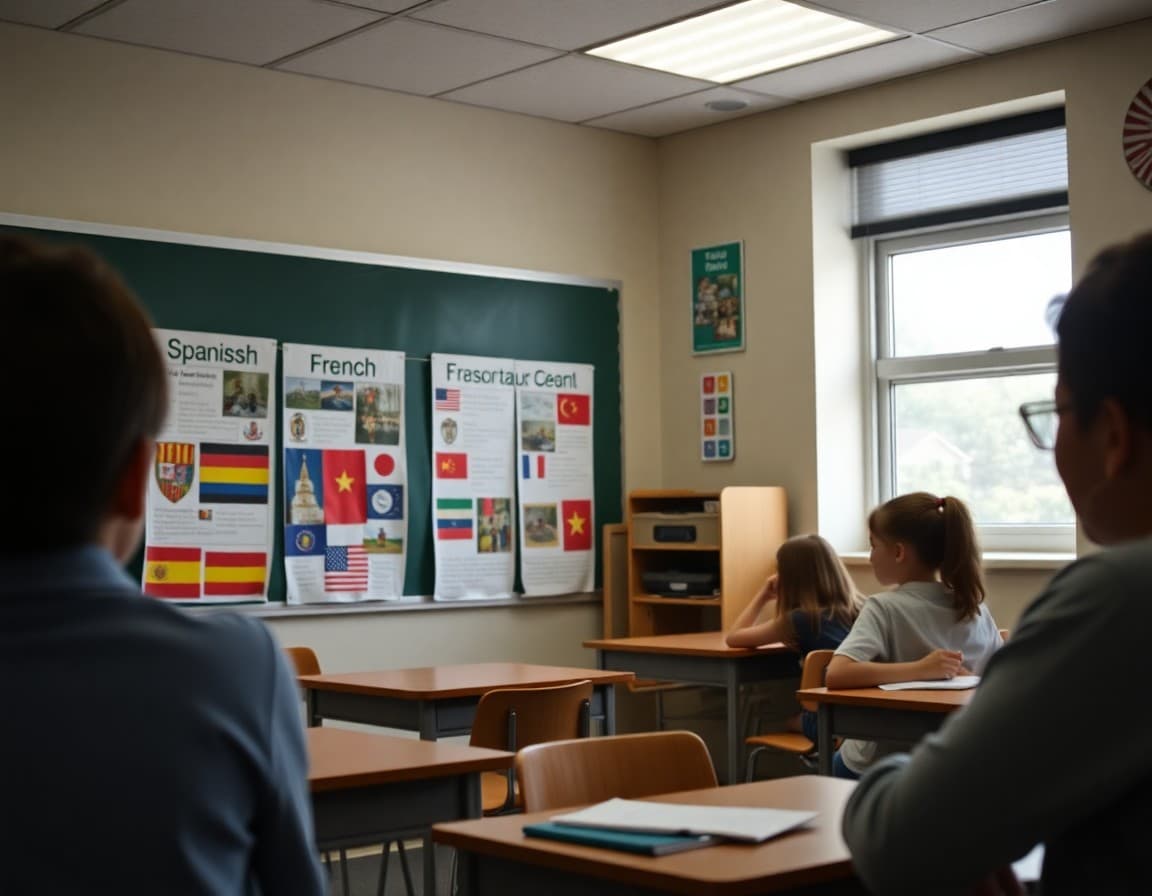
World Language Week is an opportunity to say something your school may not say often enough: the languages your students speak at home are assets, not deficits. Your newsletter is how you make that visible to the whole community.
Naming the Languages in Your Building
Start by counting. How many home languages do your families represent? Naming them in the newsletter is a simple act with real impact. Something like: our school community speaks 24 languages at home tells every multilingual family that the school is aware of them. It tells monolingual families that their school is a global place. That context matters before you describe the week's events.
What the Week Looks Like
Describe the events day by day if you have a structured schedule. A language showcase, a word-of-the-day announcement, a flag display, a cooking or cultural demonstration, a guest speaker who uses language professionally, and a student project exhibition are all common formats. Tell families what their children will experience and what they might hear about at home. Families who understand the programming are more likely to extend the learning into conversation at home.
Featuring the World Language Faculty
Name your language teachers and describe what they are bringing to the week. If a teacher is a native speaker of the language they teach, that is worth mentioning. If your Spanish teacher grew up in Colombia and brings that cultural perspective to class, say so. Families appreciate knowing who is teaching their children and what that person's relationship to the language actually is.
Celebrating Heritage Language Speakers
World Language Week is a natural moment to recognize students who maintain heritage languages alongside English. If your district offers a biliteracy seal, use the newsletter to explain it and recognize students who are on the path to earning it. Heritage language speakers bring something irreplaceable to a classroom. That contribution deserves explicit public recognition, not just a note in the progress report.
Inviting Family Participation
Ask families to share. A phrase in their home language, a traditional greeting, a food, a story, or a cultural practice related to language can all be contributions. Some families will be delighted to share. Others may be private about their heritage. Make participation an invitation, not a requirement. Even the act of asking signals that the school values what families bring.
Connecting Language to Future Opportunity
Language skills have real-world value. Bilingual employees earn more. Biliteracy is increasingly recognized on high school transcripts. Language ability opens access to international programs, study abroad, and global career paths. Tell families this directly in the newsletter. Families who see language learning as a pathway to opportunity invest differently in their children's language development than families who see it as a requirement to check off.
Using Daystage for the Week's Communication
Daystage makes it easy to build a visually rich World Language Week newsletter with cultural images, a schedule of events, and family participation invitations. If your school has significant populations who speak languages other than English, you can build separate newsletter versions for different family groups or include brief translated sections within a single communication.
Get one newsletter idea every week.
Free. For teachers. No spam.
Frequently asked questions
What should a principal newsletter for World Language Week include?
Describe the week's events and what students will do in each language class. Celebrate the languages spoken at home in your school community. Invite families to share words or greetings in their home language. Name teachers and explain the school's language program goals.
How do you celebrate World Language Week in a school with limited language programming?
Even schools with only one world language course can celebrate. Feature the home languages of your students and staff. Invite families to teach a word of the day. Connect language learning to future opportunities. The celebration is about valuing language broadly, not just the formal curriculum.
How does a principal newsletter support multilingual families during World Language Week?
Consider sending the newsletter in multiple languages or including a translated section. Feature stories from multilingual families in your community. Acknowledge that heritage language maintenance is a form of achievement that schools rarely recognize but should.
How do you connect World Language Week to academic outcomes in the newsletter?
Share data on language program enrollment, student performance in world language courses, and any biliteracy seal recipients. Connect language skills to college readiness and career preparation. Name specific students who are earning biliteracy recognition if they have given permission.
What tool helps principals send newsletters efficiently?
Daystage lets you build a multilingual-friendly newsletter with embedded translations, cultural images, and event details. You can send it in multiple languages to different family segments or include a language-selector option.

Adi Ackerman
Author
Adi Ackerman is a former classroom teacher and curriculum writer with 8 years in K-8 schools. She writes about school communication, parent engagement, and what actually works in real classrooms.
More for Principals
Ready to send your first newsletter?
3 newsletters free. No credit card. First one ready in under 5 minutes.
Get started free