

Principal Newsletter: Multicultural Fair Invitation and Community Celebration
The multicultural fair newsletter has to do something harder than announcing an event. It has to invite families to share something personal and public at the same time, and it has to do that across a community with vastly different relationships to the idea of cultural sharing.
What the Fair Is and Why It Exists
Open with the purpose. Not diversity and inclusion as a buzzword sequence, but the actual reason: your school community represents families from dozens of countries and cultural backgrounds, and a multicultural fair is one way to make what is usually invisible visible. It is not a costume parade. It is a community learning experience that happens to be delicious and colorful. Getting the tone right here determines whether families see the invitation as genuine or performative.
How Families Can Participate
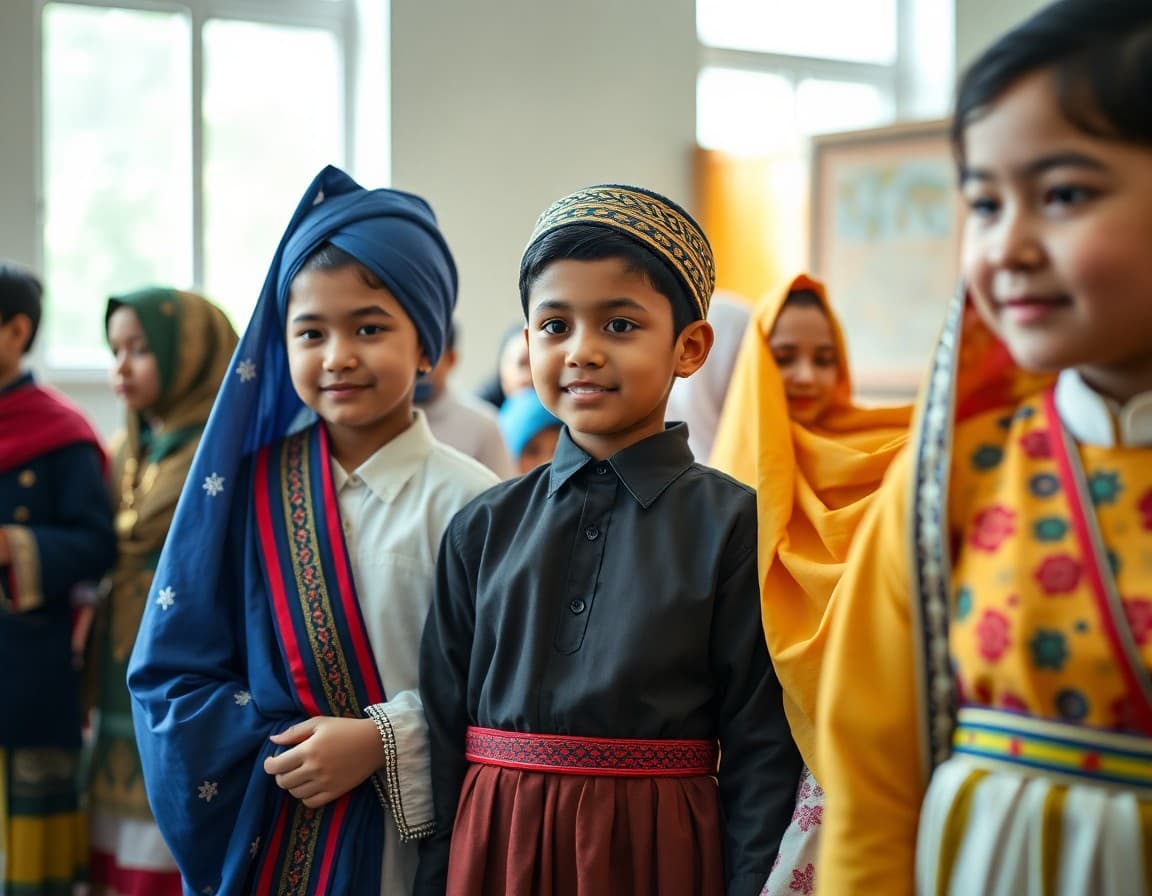
Name multiple levels of participation so every family finds one that fits their comfort. Bringing a traditional food item or dish. Creating a display about their country or cultural heritage. Wearing traditional clothing. Giving a brief presentation about a tradition or practice. Or simply attending and learning from others. Some families will not want to participate as presenters. Some will be excited to. Describing the range of options ensures that every family finds a role, and no family feels excluded from the event because they did not prepare anything.
What Students Will Experience
Describe the student programming. A guided tour of each display station with a recorded or live presentation. A passport activity where students collect a stamp from each cultural table. A question-and-answer session with family presenters. Music or dance performances. A shared meal or tasting event. Families who know what their child will experience arrive prepared to discuss it afterward.
Making It Educational, Not Just Festive
The difference between a meaningful multicultural fair and a food-and-costume event is whether the school builds in opportunities for genuine learning. Tell families about the preparation curriculum: what students studied in class before the fair, what they will be asked to reflect on afterward, and how the fair connects to their social studies, history, or ELA curriculum. The fair as a learning event is more defensible and more meaningful than the fair as an annual party.
Respecting Cultural Privacy
Some families are private about their cultural identity. Some have complex relationships to the country or culture they came from. Some do not feel that their cultural background fits the celebratory frame of a fair. Acknowledge this explicitly in the newsletter. Attendance without participation is perfectly welcome. No family should feel that not participating is a statement about not valuing diversity. This acknowledgment is itself an act of cultural respect.
Using Daystage for Multicultural Fair Communication
Daystage makes it easy to build a multicultural fair invitation newsletter in multiple languages, with participation options, event details, and a personal message from the principal. Sending the newsletter in the home languages of your most common non-English-speaking families signals before the event begins that the school means what it says about valuing the full range of the community's cultural backgrounds.
Get one newsletter idea every week.
Free. For teachers. No spam.
Frequently asked questions
What should a principal newsletter about the multicultural fair include?
Event details and logistics. How families can participate by sharing their culture. What activities students and visitors will experience. A genuine statement about why cultural diversity is valued at the school. Guidance for families unsure of how to participate.
How do you invite families to share their culture without creating pressure or burden?
Make participation opt-in and describe multiple levels of involvement. Bringing a food item, sharing an artifact, wearing traditional clothing, or simply attending are all valid forms of participation. Families who feel welcome but not obligated engage more authentically than those who feel they must perform their culture on demand.
How do you make a multicultural fair genuinely educational rather than just performative?
Connect each cultural display to history, geography, and current events. Ask students to write about what they learned after the fair. Invite family presenters to share context alongside food and artifacts. The difference between a fair that builds understanding and one that provides entertainment is the depth of the connections being made.
How do you handle families who are private about their cultural identity?
Acknowledge in the newsletter that not every family wants to share their culture publicly and that this is respected. The fair should feel like an invitation, not a requirement. Families who participate on their own terms contribute more authentically than those who felt they had no choice.
What tool helps principals send newsletters efficiently?
Daystage makes it easy to build a multicultural fair newsletter with participation guidance, event details, and a personal message from the principal. You can send it in multiple languages to reach families across the language spectrum of your community.

Adi Ackerman
Author
Adi Ackerman is a former classroom teacher and curriculum writer with 8 years in K-8 schools. She writes about school communication, parent engagement, and what actually works in real classrooms.
More for Principals
Ready to send your first newsletter?
3 newsletters free. No credit card. First one ready in under 5 minutes.
Get started free