
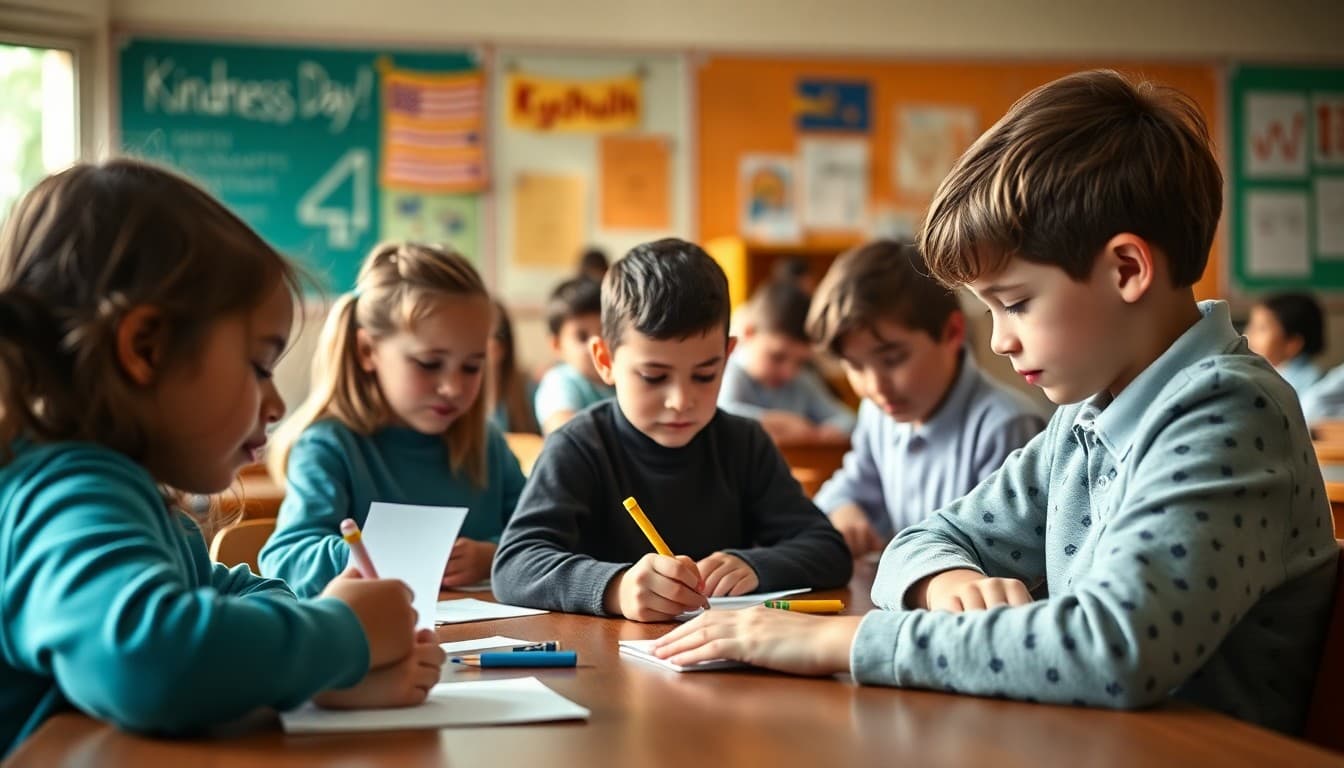
Principal Newsletter: World Kindness Day Activities and Community Impact

World Kindness Day newsletters are easy to write poorly. They are also easy to write in a way that creates real momentum for school culture. The difference is specificity versus aspiration.
What Is Happening at School on This Day
Describe specific activities rather than general themes. Students are writing handwritten notes to school staff members who are rarely thanked. Student council members are walking the hallways for thirty minutes looking for opportunities to do something kind without being asked. Classes are discussing what kindness looks like in a specific difficult social situation they face regularly. These are real acts with specific targets. They are more compelling than a day themed around being nice.
A Story from Your School
Before the activities section, share one specific story of kindness from your school community this year, with permission. The student who organized a drive for a classmate after a house fire. The teacher who noticed a student without winter gear and quietly arranged for some to appear. The custodian who keeps a stash of snacks for students who come in early without having eaten breakfast. These stories are more powerful than any general statement about a caring community. They are evidence that the community is actually caring.
The Research on Kindness
Two or three sentences is enough. Research consistently shows that performing and witnessing acts of kindness increases the mood of both the giver and the observer. Schools with strong cultures of visible kindness have measurably lower rates of bullying and higher rates of student belonging. Connecting kindness to outcomes gives the day weight beyond sentiment and positions it as a school improvement strategy rather than a feel-good event.
Sustaining Beyond the Day
Tell families how the school is extending the kindness practice beyond November 13. A monthly classroom kindness challenge. A school-wide recognition board for observed acts of kindness. A student-led kindness committee. Whatever your school is doing to make kindness structural rather than seasonal belongs in this newsletter. Families who see that the school is committed to kindness as a value rather than an event trust that commitment more than those who receive a one-day celebration with no follow-up.
What Families Can Do at Dinner Tonight
Give one specific prompt. Something like: ask each person at dinner to name one kind thing they did today and one kind thing they noticed someone else do. That is the whole assignment. Five minutes. No materials required. Families who engage with this prompt are teaching the habit of noticing and naming kindness, which is arguably the most important part of building a kind life.
Using Daystage for Kindness Day Communication
Daystage makes it easy to build a World Kindness Day newsletter with activity descriptions, a community story, research context, and a family dinner prompt. Schedule it to send the morning of or the week before the day so families can participate in the conversations that make it more than a school event.
Get one newsletter idea every week.
Free. For teachers. No spam.
Frequently asked questions
What should a principal newsletter for World Kindness Day include?
Describe the specific activities happening at school. Name the connection between kindness and your school's values. Invite families to extend the practice at home. Feature a specific story of kindness from your school community. Avoid vague language about being kind and focus on specific acts and their impact.
How do you make World Kindness Day more than a one-day event through newsletter communication?
Frame it as a launching point for a semester-long kindness practice. Name the specific habits or structures the school is implementing to sustain the culture beyond the single day. Describe how kindness is measured and recognized throughout the year. A one-day event without follow-through communicates that kindness is seasonal rather than structural.
What kindness activities work best for different age groups?
Elementary students respond well to tangible kindness acts like writing notes, doing a chore for someone else, and sharing resources. Middle school students benefit from recognition of quiet kindness in non-performative settings. High school students engage most with systemic and community-level kindness projects. The newsletter can describe age-appropriate activities for each level.
How do you involve families in World Kindness Day without making it feel like homework?
Give families a single low-effort activity they can do during dinner. Ask their child to name one kind thing they did today and one kind thing they noticed someone else do. This five-minute conversation extends the day's learning into the home without requiring preparation or materials.
What tool helps principals send newsletters efficiently?
Daystage makes it easy to build a kindness day newsletter with student activity descriptions, a family engagement prompt, and a specific story from your school community. You can send it on or before November 13 to prime family and student awareness.

Adi Ackerman
Author
Adi Ackerman is a former classroom teacher and curriculum writer with 8 years in K-8 schools. She writes about school communication, parent engagement, and what actually works in real classrooms.
More for Principals
Ready to send your first newsletter?
3 newsletters free. No credit card. First one ready in under 5 minutes.
Get started free