
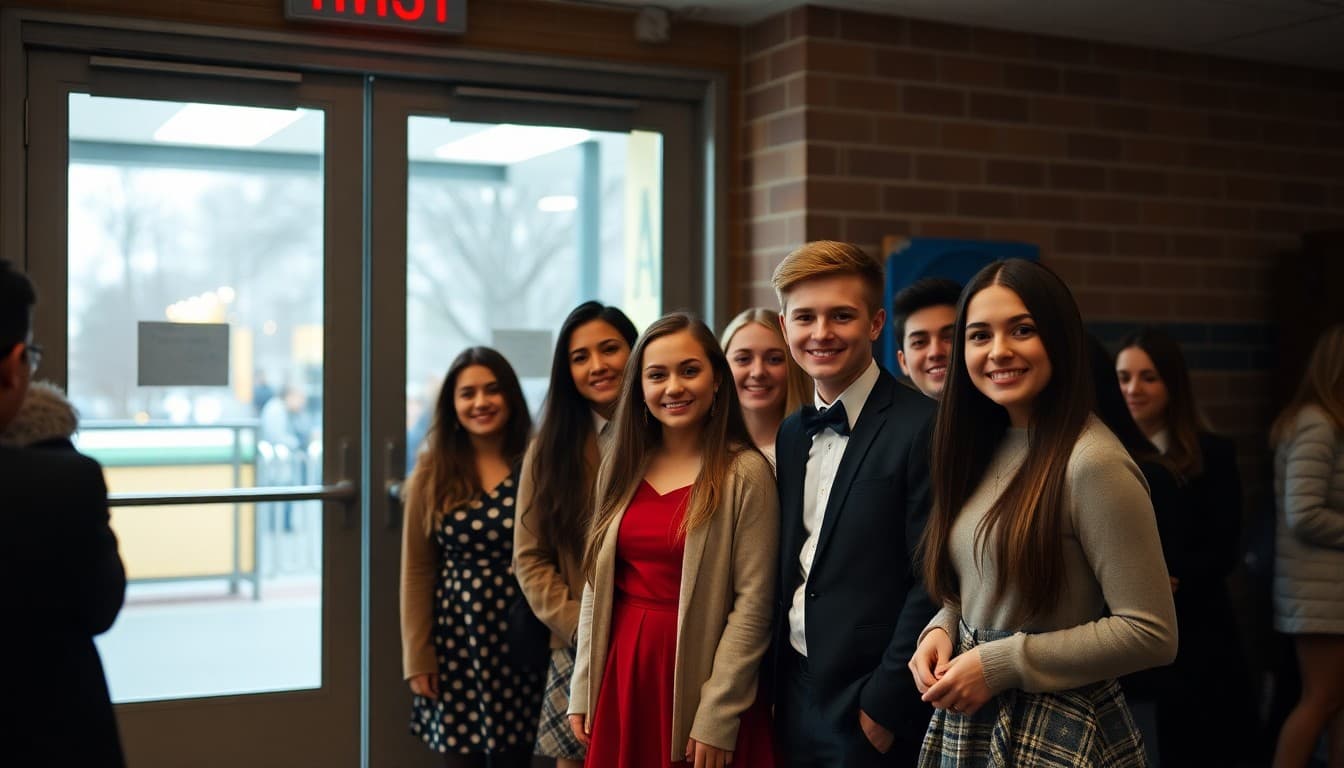
Principal Newsletter: Winter Formal Dance Logistics and Safety Communication
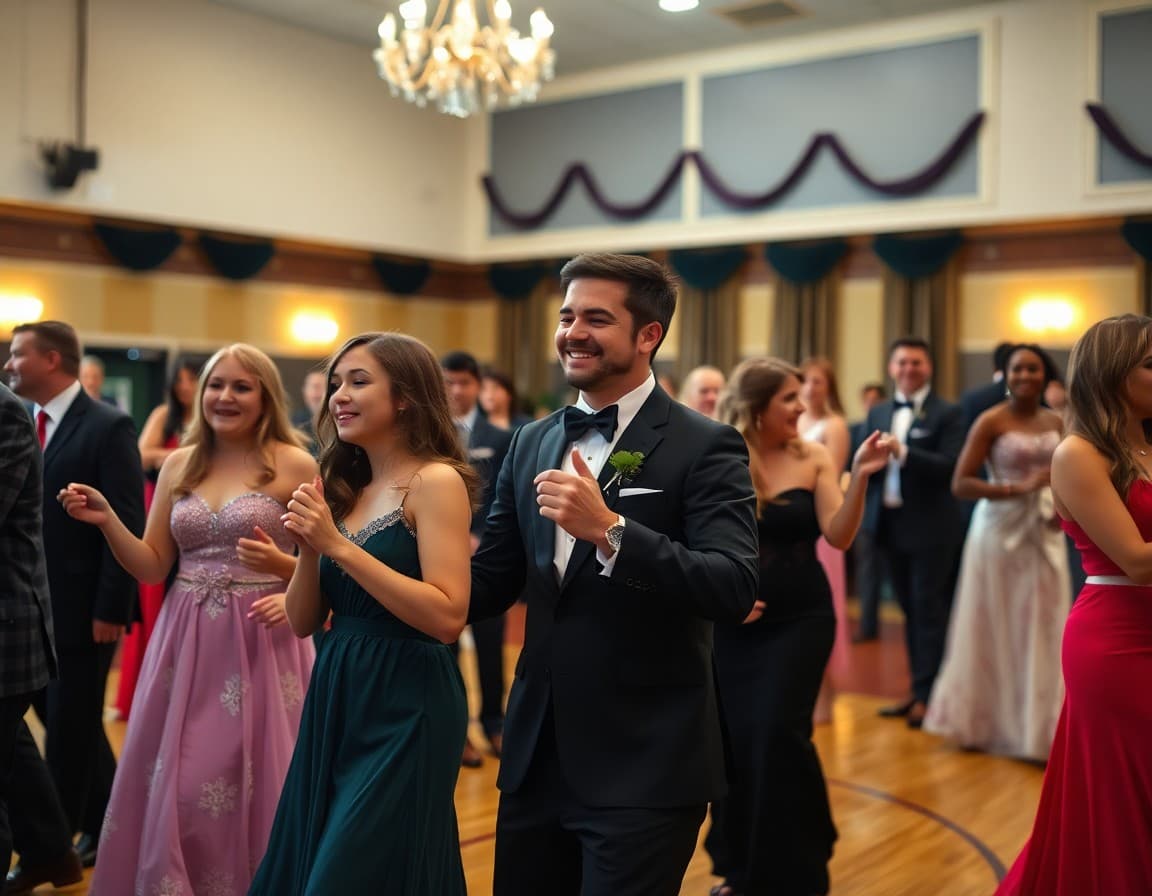
A winter formal is a significant event in a high school community. For many students, it is a milestone. Your newsletter communication shapes whether the night runs smoothly or generates the kind of parent calls you would rather not be fielding at 11 pm on a Saturday.
The announcement newsletter: logistics first
Date, time, venue, ticket price and sale dates, dress code, guest policy, and transportation expectations. All six in the first newsletter. Families who receive complete logistics in the first communication ask far fewer follow-up questions than families who receive a teaser announcement with details to come.
Safety policies in plain language
Your newsletter should state the alcohol and drug policy clearly. Students suspected of arriving impaired will not be admitted and parents will be called. Chaperones are present throughout the event. Bag checks are standard. This is not meant to alarm families. It is meant to communicate that the school has thought through the safety requirements of a large student social event.
Dress code specificity
Vague dress codes generate the most disputes. Your newsletter should be as specific as your district's dress code policy allows. Formal attire required. Dresses must be of a certain length. Shoes must be appropriate for the venue. Specific language in the newsletter means your chaperones have a clear standard to apply at the door.
Guest approval process
If non-students can attend, explain the full process in the newsletter: application deadline, age limit, who approves the application, and what the guest is responsible for. A student who invites a guest is responsible for that guest's behavior. This policy should be in writing before the dance, not announced at the door.
Post-event communication
A brief newsletter the Monday after thanking students, chaperones, and organizers closes the event professionally. If all went well, say so. If there were challenges, handle them directly with affected families rather than in the school-wide newsletter.
Planning for next year in this year's newsletter
In your post-event newsletter, invite student council feedback on what worked and what to improve for next year. Students who see their input valued in the newsletter are more likely to take ownership of the next event.
Get one newsletter idea every week.
Free. For teachers. No spam.
Frequently asked questions
What should a principal include in a winter formal announcement newsletter?
The date, time, venue, ticket price and sale dates, dress code requirements, guest policy for non-students, and transportation expectations. Every logistical detail in one newsletter prevents the individual questions that flood the office in the two weeks before a dance.
How should a principal communicate safety policies for school dances?
State the alcohol and drug policy clearly. Explain what will happen if a student arrives impaired. Describe the chaperoning structure. Tell families who is responsible for students before they enter and after they leave. Clear safety policies in the newsletter show families the school takes the event seriously.
What is the guest policy for school dances and how should a principal explain it?
If non-student guests are permitted, explain the approval process: guest pass application, age limits, behavior expectations, and who vouches for the guest. Families of students bringing guests need to understand that the guest is held to the same standards as enrolled students.
How should a principal handle complaints about the dress code for school dances?
Communicate the dress code with enough specificity that there is no ambiguity. The more specific the language in your newsletter, the fewer arguments you have at the door. Include photos or examples if your district permits it. Complaints about dress codes almost always trace back to vague initial communication.
What post-event communication is appropriate after a school dance?
A brief thank-you newsletter noting attendance, thanking chaperones and student council for organizing, and reminding students of the next event. If there were incidents, address them directly with affected families rather than in the general newsletter. A post-event newsletter should feel celebratory, not remedial.

Adi Ackerman
Author
Adi Ackerman is a former classroom teacher and curriculum writer with 8 years in K-8 schools. She writes about school communication, parent engagement, and what actually works in real classrooms.
More for Principals
Ready to send your first newsletter?
3 newsletters free. No credit card. First one ready in under 5 minutes.
Get started free