
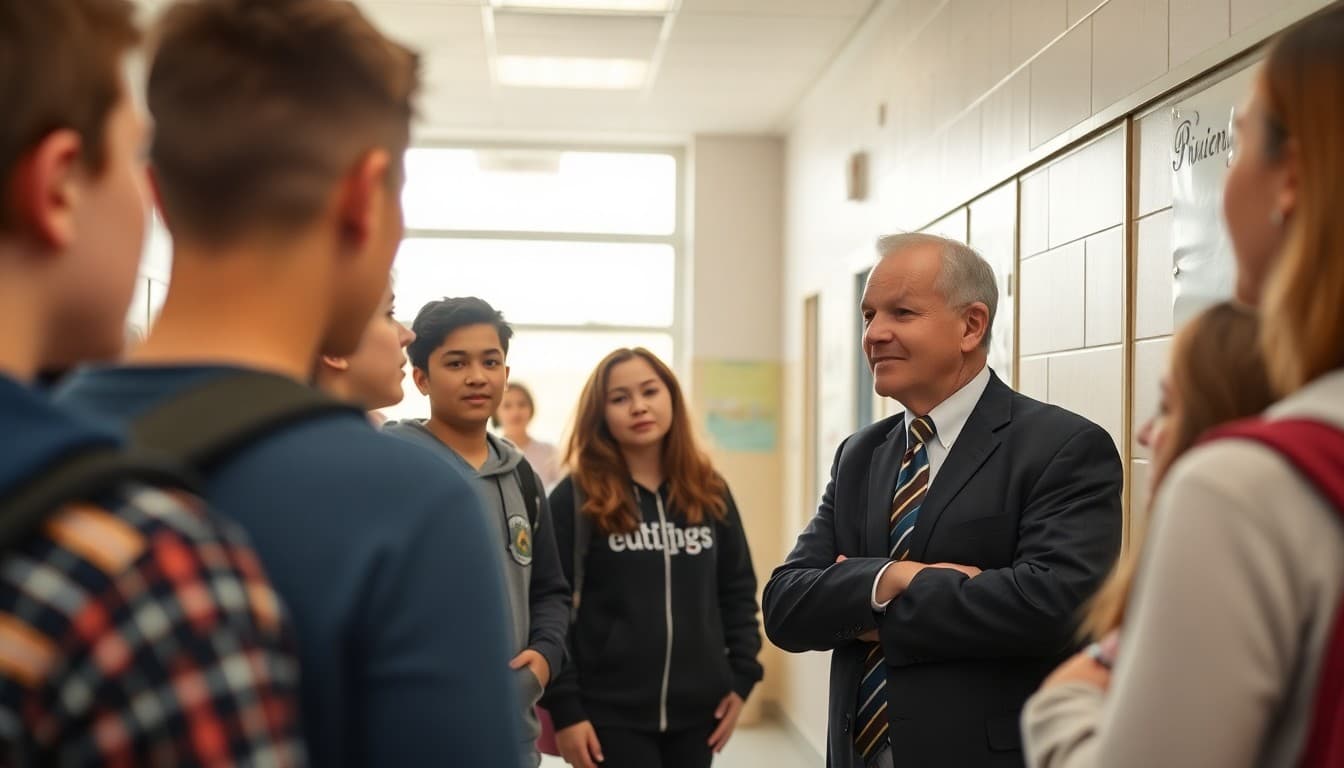
Vaping Prevention Newsletter: What Principals Should Say to Families

Vaping is present in most middle and high schools in the country. It is a health issue, a discipline issue, and a communication issue. The principals who handle it best are the ones who communicate about it directly with families before a crisis forces the conversation.
Why a proactive newsletter matters more than a reactive one
When vaping becomes visible, something happens in the parent community: speculation fills the void left by official silence. If families hear about vaping incidents from their children, from other parents, or on neighborhood social media before they hear from you, your newsletter becomes damage control rather than communication.
A proactive newsletter at the start of the year, or after professional development on the topic, lets you set the frame. You are not hiding anything. You are being direct about a known issue and telling families what the school is doing about it.
What to cover in the newsletter
A vaping prevention newsletter for families should include four things:
- What you are seeing. Not individual student situations, but general context. Is this an issue you are addressing proactively? Have there been recent incidents? Families can handle honest information delivered professionally.
- What the school is doing. Prevention programs, staff training, detection measures (if your district uses them), and how reports from students are handled.
- What the consequences are. Walk through your discipline sequence clearly. Families should not be surprised.
- How families can help. Conversation starters, warning signs to watch for, and specific resources to read or share with their child.
Tone: direct, not alarming
Vaping newsletters often make one of two mistakes. They are either so cautious they say almost nothing useful, or they are so alarmist they panic parents who then overreact in ways that push their kids away.
The right tone is collegial: you are writing to an adult who can handle real information and who is your partner in addressing this. Acknowledge that it is a difficult topic. Be specific about the health risks (nicotine dependency, lung damage, exposure to unknown chemicals) without exaggerating. Describe your school's approach with confidence.
Give families conversation starters that actually work
Most parents who want to talk to their teenager about vaping do not know how to start. Give them two or three specific opening lines or questions they can use at home. For example:
- 'Have you seen vaping happen at school or with friends? What do kids say about it?'
- 'Do you know what is actually in those vapes? I read something about it and it was surprising.'
- 'What would you do if a friend offered you one?'
Curiosity-based questions work better than lectures. A parent who approaches the conversation with genuine curiosity rather than alarm will get more honest information from their teenager.
Include specific resources, not just general advice
Direct families to two or three specific URLs, not just 'talk to your doctor.' The Truth Initiative has a parent guide. The CDC publishes updated information on teen vaping health risks. Many states have school-specific prevention toolkits. List them with one-sentence descriptions so families know which one to open.
Coordinate with your counseling team before sending
If your newsletter increases family attention on vaping, expect more families to reach out to counselors or administrators in the weeks following. Brief your team before the newsletter goes out. Make sure the contact information in the newsletter routes to the right person, and that person is prepared for the volume.
Daystage makes it easy to include formatted resource lists and contact sections in a single newsletter that families receive directly in their inbox. That accessibility matters when you are asking families to take action on something as sensitive as this.
Get one newsletter idea every week.
Free. For teachers. No spam.
Frequently asked questions
Should a principal send a vaping prevention newsletter proactively or only after an incident?
Proactively, at the start of the year, and again if your school sees an uptick in incidents. Families should not find out about a vaping problem at your school from their child or from social media. A principal who communicates early signals confidence and transparency, not alarm.
What tone should I use in a vaping prevention newsletter?
Direct and calm, not alarmist. Your goal is to inform families, enlist their help, and share resources, not to frighten them. Acknowledge that vaping is a real issue in schools across the country, describe what your school is doing about it, and give families specific conversation starters for home.
What should I say about consequences for vaping at school?
Be specific. Families should know your discipline sequence before an incident occurs. Describe what happens on a first offense, what escalation looks like, and whether there is a restorative or educational component alongside any suspension. Clarity on consequences reduces conflict when they have to be applied.
Are there good resources I can share with parents in a vaping newsletter?
Yes. The CDC has parent guides on teen vaping. The Truth Initiative has resources specifically for families. Many state health departments have age-appropriate conversation guides for parents. Include two or three specific links rather than a general 'visit your doctor.' Families are more likely to use a resource if you hand them a direct link.
What tool helps principals send newsletters efficiently?
Daystage lets you send formatted newsletters that include links, resource lists, and policy details inline in the email. Families see the full message without having to navigate to a separate website, which means the resources you share actually get read.

Adi Ackerman
Author
Adi Ackerman is a former classroom teacher and curriculum writer with 8 years in K-8 schools. She writes about school communication, parent engagement, and what actually works in real classrooms.
More for Principals
Ready to send your first newsletter?
3 newsletters free. No credit card. First one ready in under 5 minutes.
Get started free