
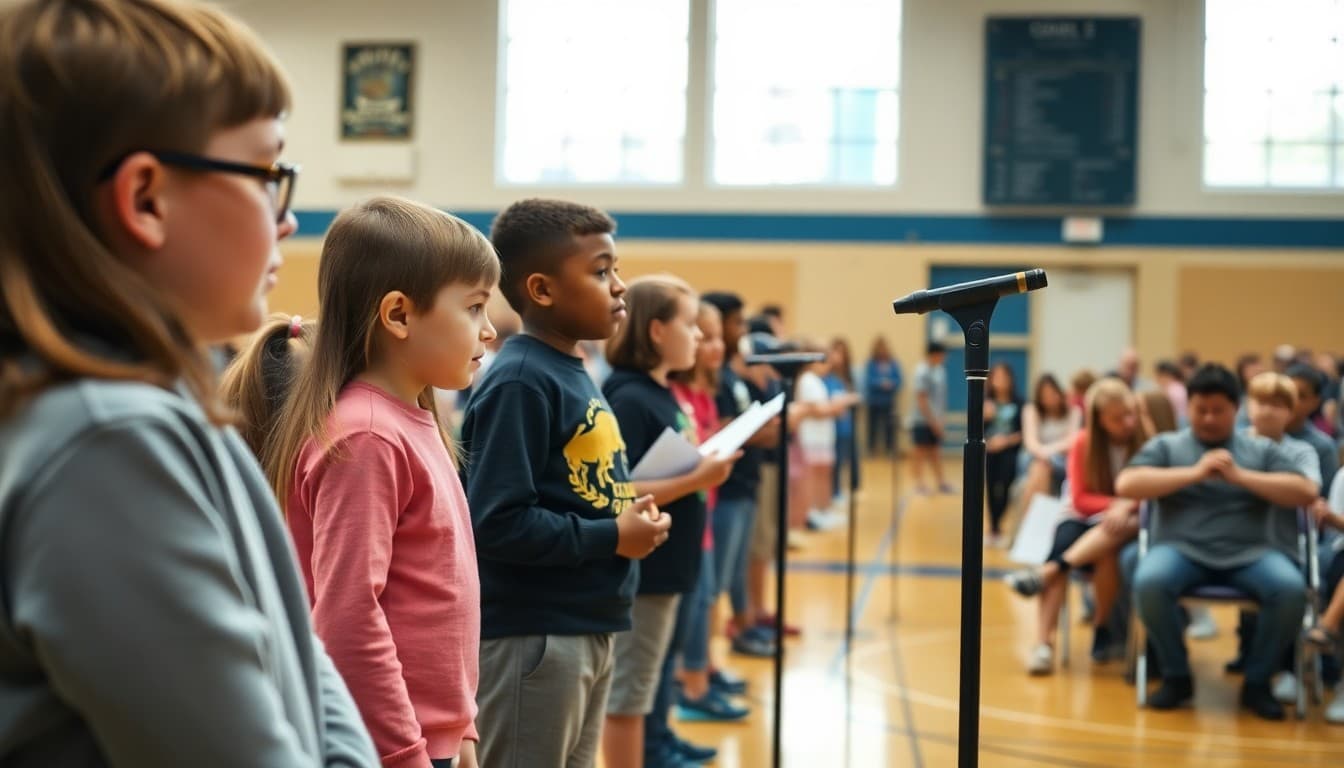
Principal Newsletter: Spelling Bee Announcement and Recognition
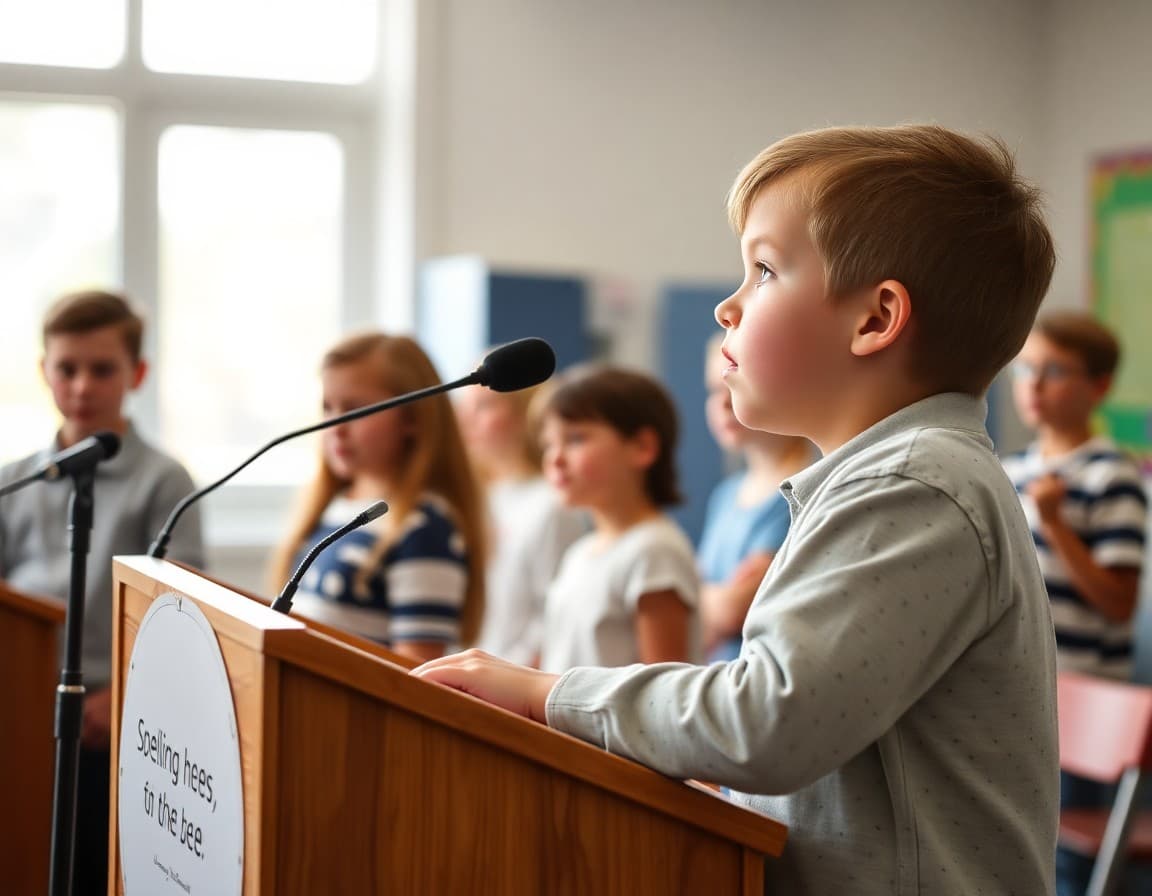
Spelling bees have been part of American schools long enough to feel routine. The principals who make them genuinely valuable do the communication work that turns a one-hour event into a three-month engagement for families.
The timeline that works
Six weeks before the schoolwide bee, announce the event and tell families how classroom competitions will work. Four weeks out, share word lists or direct families to the Scripps Spelling Bee word lists if you use that format. One week out, send the logistics: time, location, seating. The day after, send photos and results.
Word lists and how families can help
Parents want to support their child's preparation. Your newsletter should tell them exactly how. Link to the word list. Suggest a practice routine. Explain what the classroom bee looks like so students know what to expect. Families who know how to help are less anxious and more effective.
Making the event accessible to all families
Include the time of day in your newsletter and whether families with work constraints can attend a recorded version or receive a same-day recap. Not every family can attend a 10 am event on a Tuesday. Acknowledging that reality and offering an alternative recognizes the diversity of your school community.
Recognizing every competitor
Your post-event newsletter should list every student who competed at the school level. Not just the top three. Every family whose child studied for weeks wants to see their child's name in the school newsletter.
Connecting to districtwide or regional competition
If your winner advances to a district or regional bee, follow their progress in subsequent newsletters. A school that follows its representative through each round builds community pride around academic achievement in a visible way.
What to do when spelling bees feel exclusive
Some principals receive feedback that spelling bees favor students from certain backgrounds. If this is a tension in your community, address it: explain how the classroom competition works, whether support is available for students who need it, and how participation is encouraged broadly before the competition narrows.
Get one newsletter idea every week.
Free. For teachers. No spam.
Frequently asked questions
What should a principal include in the spelling bee announcement newsletter?
Grade levels involved, how students are selected or how they sign up, when classroom competitions happen before the schoolwide event, what word lists students can study, and the date and location of the main event. Parents want logistics, not inspiration.
How do you explain the academic value of a spelling bee to parents?
Be direct: spelling practice builds vocabulary, improves reading fluency, and develops the habit of careful attention to language. The competition format is motivating for students who otherwise disengage from vocabulary work. One sentence of rationale is enough.
How should a principal recognize spelling bee participants in the newsletter?
List all participants who competed at the school level, not just the winner. The winner advances to district, and that is worth celebrating. But the student who studied for three weeks and went out in round two also deserves recognition in print.
Should families be invited to the spelling bee?
Yes, and your newsletter should tell them when and where with enough advance notice to put it on the calendar. A spelling bee with an audience is a different experience for students than one held in a classroom. The stakes feel real, and that is the point.
How can principals build a year-round vocabulary culture through the newsletter?
Daystage principals include a weekly vocabulary challenge or word of the week in their newsletter throughout the year, not just during spelling bee season. It is a small addition that keeps literacy visible to families and students between events.

Adi Ackerman
Author
Adi Ackerman is a former classroom teacher and curriculum writer with 8 years in K-8 schools. She writes about school communication, parent engagement, and what actually works in real classrooms.
More for Principals
Ready to send your first newsletter?
3 newsletters free. No credit card. First one ready in under 5 minutes.
Get started free