
Communicating Social Skills Groups to Families in Your Newsletter
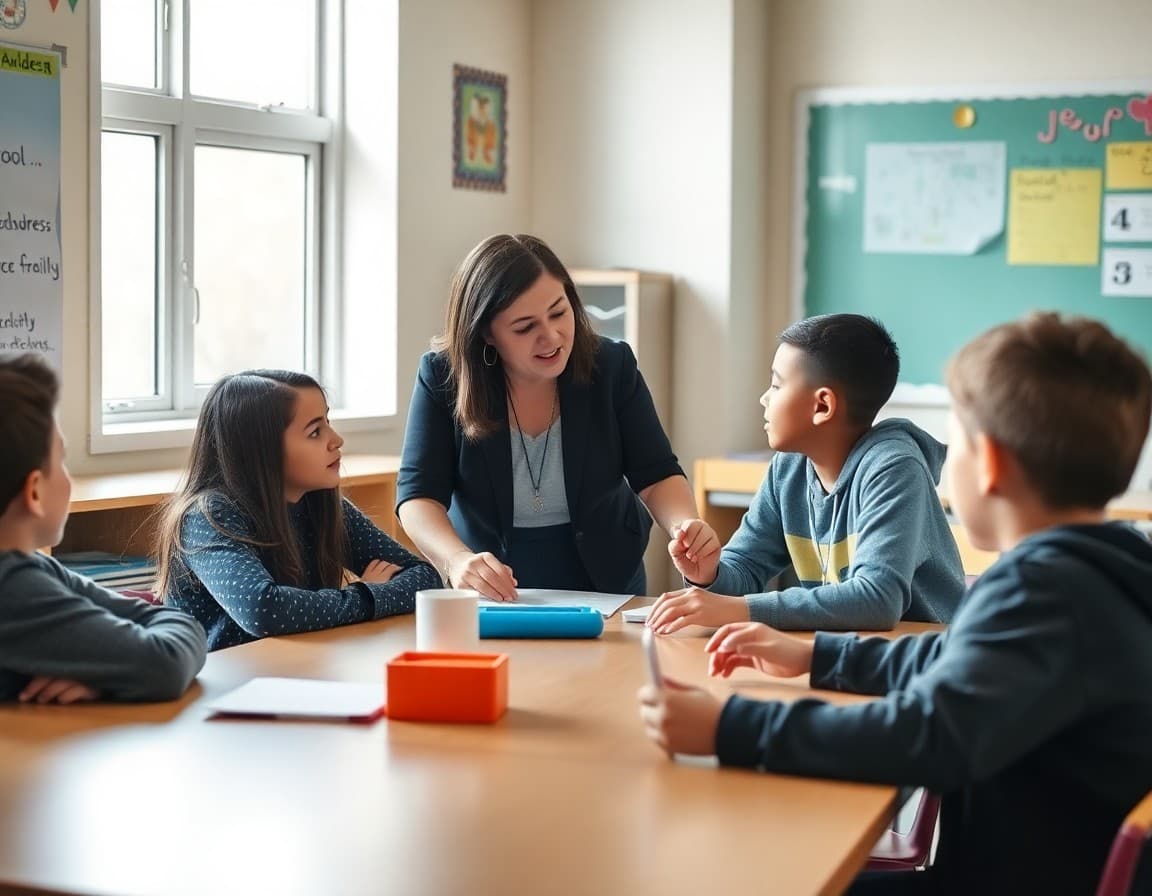
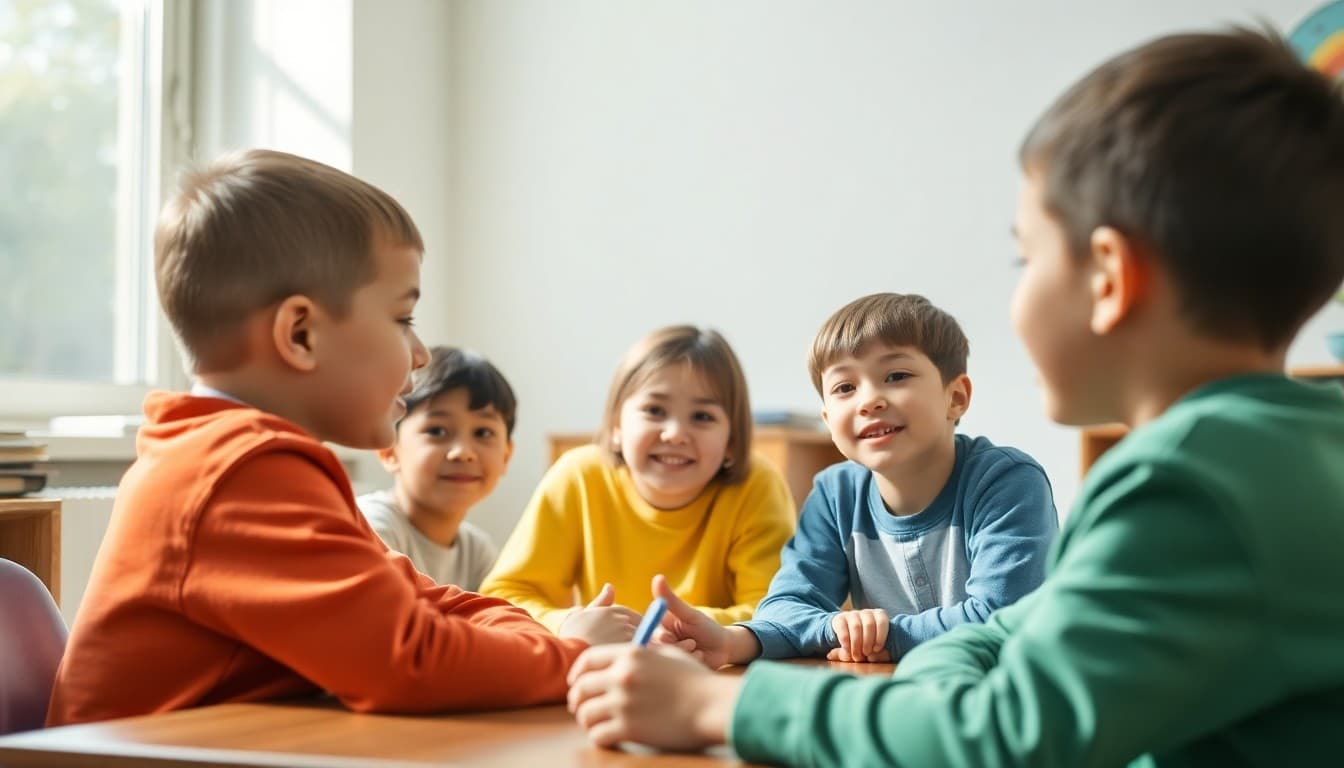
Social skills groups occupy an unusual space in school communication: families often want this support for their children but hesitate to ask for it, and principals often hesitate to describe it in ways that feel clinical or stigmatizing. The newsletter that gets this right describes social skills instruction the same way it describes any other program: as a concrete set of skills that students practice, develop, and use.
What social skills groups actually teach
The newsletter should describe the specific skills students work on, not the populations the group serves. Social skills groups typically teach:
- How to start and maintain a conversation
- How to read nonverbal cues from peers and adults
- How to handle disagreements without escalating
- How to join a group that is already playing or working
- How to ask for help and handle frustration
Written this way, the group is accessible and relevant to a wide range of students. It does not carry diagnostic language that narrows who is welcome or who families think their child needs to be to qualify.
Who can participate and how referrals work
Be explicit about both paths to participation: school-initiated and family-initiated. Many families do not know they can ask for a group placement:
'Students are referred to the social skills group by their teacher, counselor, or by a family request. If you think your child would benefit from structured practice in any of these areas, contact [counselor name] at [contact info]. There is no formal evaluation required.'
Address the question of stigma directly
Some families worry that participation in a social skills group marks their child as having a problem. The newsletter can address this directly without being defensive:
'Social skills are learned, the same as reading strategies or math facts. The students who practice them in a structured group are not struggling in any unusual way. They are building skills that will help them in school and beyond.'
Give families a role at home
Skills learned in a group transfer faster when families reinforce them at home. Include one or two concrete prompts:
- Ask your child: 'What did you practice in social skills group this week?'
- At dinner, try a conversation warmup: each person shares something that went well today and something that was hard
- When a sibling conflict comes up, ask: 'What is the other person feeling right now?' before solving the problem
These prompts take thirty seconds and extend the work of the group into everyday life.
Keep families updated on progress
Families whose children are participating deserve to hear how things are going. The newsletter can note mid-year that groups are active, name the skills being worked on that month, and invite families to reach out with questions. This is not disclosure of individual student progress. It is the kind of general update that keeps families informed and engaged.
Connect the group to broader school culture
Social skills group work is most effective when it connects to the language the whole school uses. If your school uses a specific framework like Zones of Regulation or Second Step, name it in the newsletter. Families who hear the same vocabulary at home that their child hears at school reinforce learning without realizing they are doing it.
Daystage makes it easy to publish a consistent social-emotional learning update each month, keeping families connected to what students are practicing and how they can help at home.
Get one newsletter idea every week.
Free. For teachers. No spam.
Frequently asked questions
How do I describe social skills groups without suggesting a child has a deficit?
Frame the group around skills everyone benefits from developing. 'Our social skills group practices conversation strategies, conflict resolution, and reading social cues' describes a skill set that is universally useful and removes the deficit framing that makes families hesitant.
Should I mention specific diagnoses or conditions in the social skills group newsletter?
No. Listing diagnoses like ADHD or autism spectrum in connection with social skills groups attaches stigma and can make families whose children have those diagnoses feel singled out. Describe what students will practice, not what conditions the group is designed to address.
How do I encourage families to reinforce social skills at home?
In the newsletter, share one or two specific conversation starters families can use: 'Ask your child what they practiced this week. Try it out at dinner.' Skills transfer faster when families know what to look for and how to reinforce it outside the school setting.
How do I handle families who are skeptical about social skills instruction?
Acknowledge the skepticism indirectly by leading with outcomes: students who practice these skills in structured settings show improvements in peer relationship quality, conflict resolution, and classroom participation. Evidence-based framing addresses doubt without arguing with it.
What tool helps principals send newsletters efficiently?
Daystage lets you publish a social skills program update with links to counselor resources and home-practice guides, formatted so families can save and reference it throughout the year.

Adi Ackerman
Author
Adi Ackerman is a former classroom teacher and curriculum writer with 8 years in K-8 schools. She writes about school communication, parent engagement, and what actually works in real classrooms.
More for Principals
Ready to send your first newsletter?
3 newsletters free. No credit card. First one ready in under 5 minutes.
Get started free