
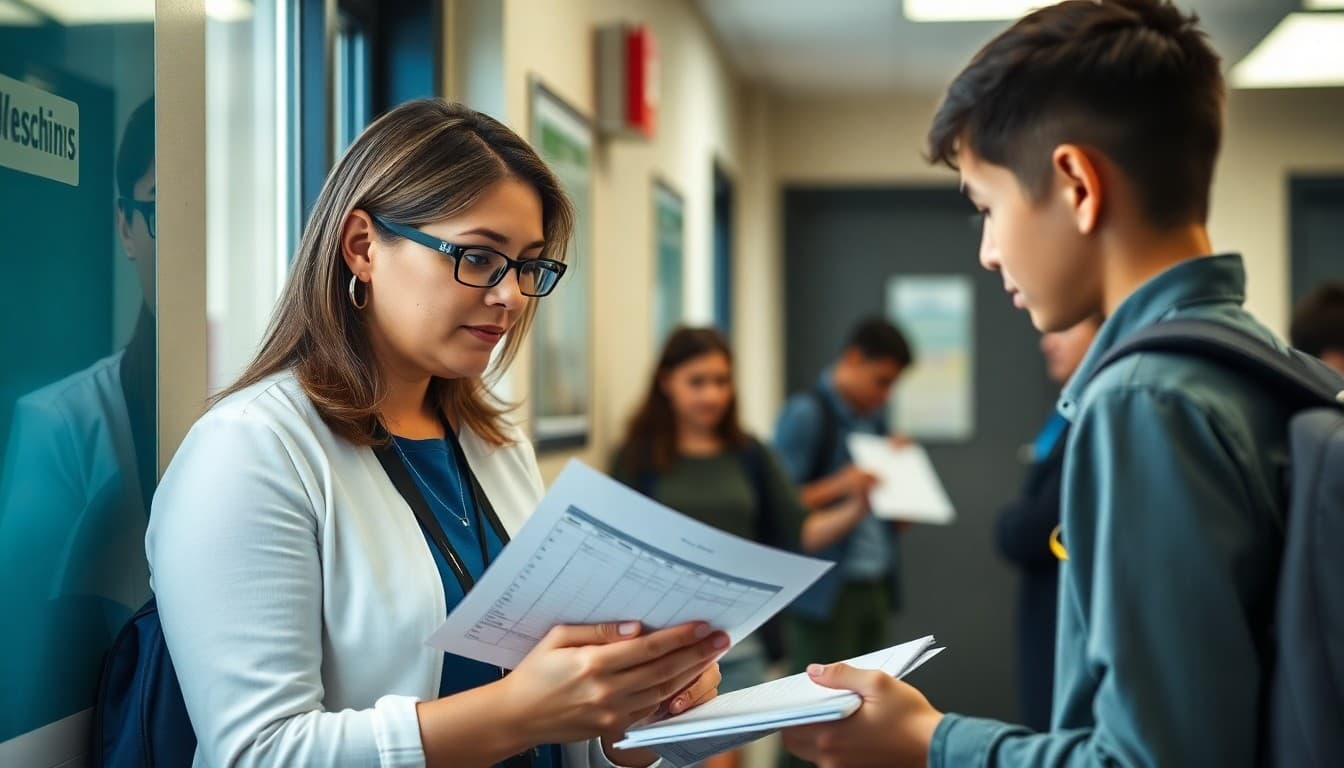
Principal Newsletter: Updating Emergency Contact Information With Families

Emergency contact information is one of those operational details that seems administrative until the moment it is not. A school that cannot reach a family during a medical emergency, a security event, or an unplanned early dismissal is carrying a real risk. The newsletter that gets families to update their information is not a bureaucratic formality. It is a safety document.
Name the Deadline and the Update Process First
Tell families what you need, how to do it, and by when in the first paragraph. Whether they update through the school portal, a paper form, or a direct call to the office, give the method and the deadline clearly. Families who receive the request and understand the process complete it faster than families who receive the request and have to call to find out what to do next.
Explain Why Contact Information Goes Stale
Families who enrolled their student two years ago entered contact information that was accurate at the time. Phone numbers change. Secondary contacts move or change their relationship with the family. A parent starts a new job with different hours and a different cell number. None of this is communicated to the school automatically. The newsletter that names this reality helps families understand why the annual update request is not redundant bureaucracy. It is a response to genuine change.
Describe What the School Does With Emergency Contact Information
Families who understand how and when emergency contacts are used are more motivated to keep them current. Walk through the situations: a student injury during the school day. An unexpected early dismissal. A student who becomes seriously ill and needs to be picked up. A security situation that requires families to come to the school. The contact information you hold is the bridge between the school and the family in every one of these moments. It needs to be accurate.
Name the Specific Information to Review
Tell families exactly what to check. Primary phone numbers for both parents or guardians. The secondary emergency contact, their relationship, and whether they are authorized to pick up the student. Cell versus home versus work phone priority. Whether text message alerts will reach the numbers on file. Medical information that has changed since the original enrollment. Families who know what to look for update more completely than families who receive a generic request to "check your information."
Address Families With Changed Custody or Household Arrangements
Custody arrangements and household composition change, and schools are often the last to know. A brief note that families with any change in custody status, living arrangements, or authorized pickup individuals should update those details specifically signals to the families who most need to act that this newsletter is directed at them too.
Set a Clear Completion Deadline
Give a specific date by which all families should have completed their update. After that date, have the office follow up with families who have not responded. Daystage makes it easy to send a targeted reminder to families who still have outstanding updates, without resending the full newsletter to families who already completed the process.
Get one newsletter idea every week.
Free. For teachers. No spam.
Frequently asked questions
Why do emergency contact updates matter enough to send a newsletter?
Because outdated contacts fail during the moments when they matter most. A phone number that was accurate in September may be disconnected by February. A secondary contact who moved away is unreachable in an emergency. Schools that cannot reach a family during a medical event, security situation, or weather emergency are operating with a critical gap in their safety system.
What information should families update in their emergency contacts?
Primary phone numbers for each parent or guardian. At least one secondary contact who can pick up the student if the parent is unreachable. The relationship and authorization level of each contact. Any medical or health information that has changed since enrollment. Preferred communication method if the family has a strong preference.
How do I communicate urgency without sounding alarmist?
Frame the update as routine and annual rather than response to a specific incident. 'Each year we ask all families to verify their contact information before [date]' sets a normal expectation. Describing one or two common situations where outdated contacts create problems, such as a student injury or early dismissal, makes the case without generating alarm.
How do I follow up with families who do not complete the update?
Send a second newsletter to the specific families with outstanding updates. Then have the office make direct contact. Families who do not update by a final deadline should be flagged so staff know they are working from potentially stale information. The goal is completion, not compliance theater.
What tool helps principals send newsletters efficiently?
Daystage is built for school newsletters. An emergency contact update request with direct links to the update form can be formatted and sent to all families in one step.

Adi Ackerman
Author
Adi Ackerman is a former classroom teacher and curriculum writer with 8 years in K-8 schools. She writes about school communication, parent engagement, and what actually works in real classrooms.
More for Principals
Ready to send your first newsletter?
3 newsletters free. No credit card. First one ready in under 5 minutes.
Get started free