

Principal Newsletter: School Recycling Program Launch and Updates
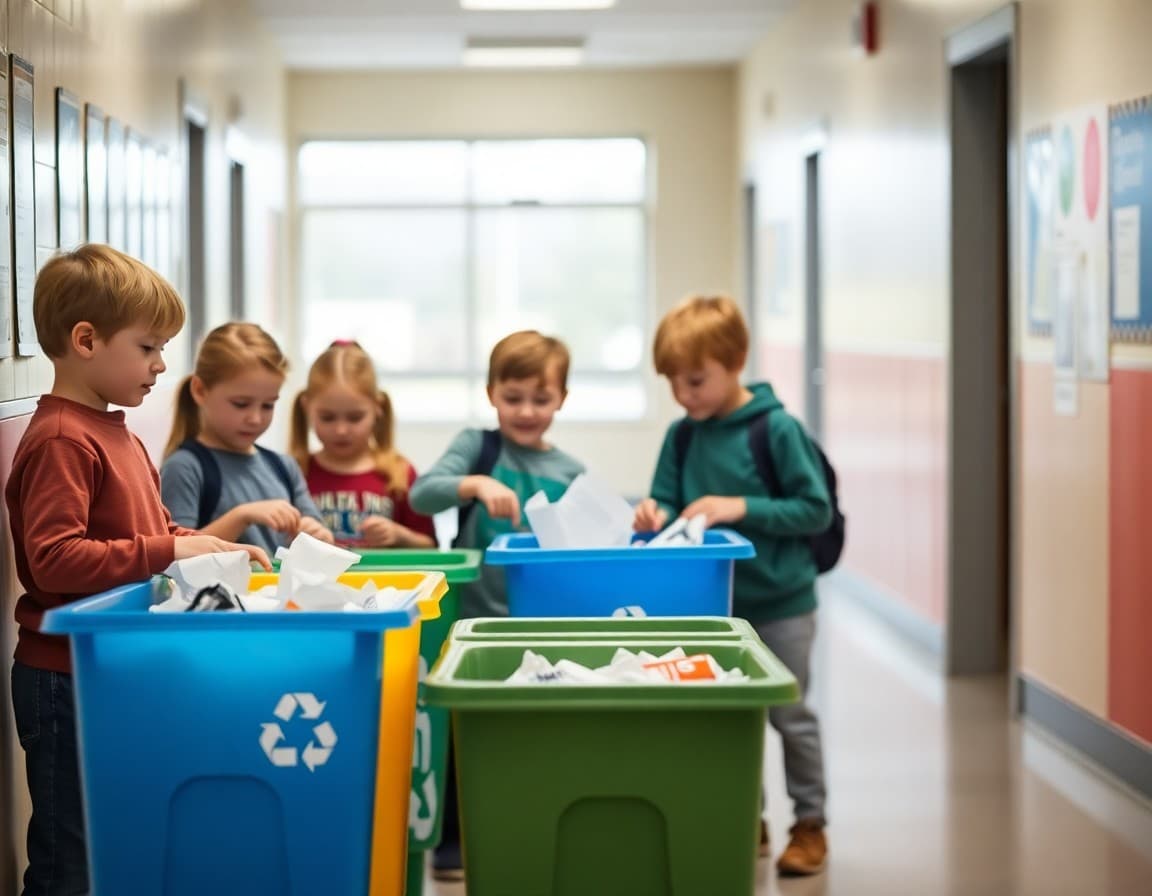
A school recycling program is both an environmental initiative and a teaching opportunity. The principals who run them well connect every aspect of the program to curriculum, recognize student effort publicly, and share real data with families about the environmental impact.
The launch newsletter: what students will actually do
Your launch newsletter should describe the specific student responsibilities. Each classroom has a recycling captain who empties the classroom bin on Fridays. Students sort paper, plastic, and compost at lunchtime. The sixth grade environmental club monitors compliance each month and reports data to the school. Specific roles make the program real rather than aspirational.
Connecting to science curriculum
Name the curriculum connections. Students in second grade are studying habitats this month and will be tracking how recycling protects local water habitats. Environmental science students are analyzing the school's waste stream data for a semester project. When the recycling program is curriculum, not just logistics, teachers prioritize it differently.
Monthly environmental data
Include a monthly recycling total in your newsletter. Pounds of paper recycled. Number of plastic containers diverted. Compost collected. Month-over-month comparison. Students and families who see real numbers are more invested in the program than those who hear general encouragement about the environment.
Classroom recognition
Name the class with the highest recycling accuracy each month in the newsletter. A one-sentence recognition, Ms. Johnson's fifth grade correctly sorted every recycling bin in October, motivates all classrooms and costs nothing.
Connecting to home habits
Include a brief tip each month about home recycling that connects to what students are learning at school. If students are learning about paper recycling this month, your newsletter can include a reminder about what paper products are accepted in your community's curbside program. The learning extends beyond the school building.
Year-end environmental impact report
Close the school year with an environmental impact summary: total materials diverted, reduction compared to last year, and a quote from a student about what the program meant to them. This newsletter closes the environmental story for the year and builds the case for continuing and expanding the program.
Get one newsletter idea every week.
Free. For teachers. No spam.
Frequently asked questions
What should a principal include when announcing a school recycling program?
What the program involves, which materials are collected, where bins are located, what students are responsible for, and the environmental goals the school is trying to meet. Families who understand the scope of the program are more likely to reinforce the habits at home.
How do you connect school recycling to the science curriculum in the newsletter?
Name the specific units where recycling connects to science standards. Students studying ecosystems in fourth grade are learning how material waste affects local waterways. Students in the environmental science elective are tracking the school's monthly recycling volume. Curriculum connections make recycling feel like learning, not logistics.
How should a principal share recycling program impact data in the newsletter?
Monthly totals: pounds of material diverted from landfill, number of bins added, waste reduction percentage compared to prior year. Even simple numbers make the environmental impact concrete. A school that recycled 200 pounds of paper last month is easier for families to understand than a school with a sustainability commitment.
How do you get students to consistently follow recycling procedures?
Classroom-by-classroom recognition for recycling accuracy, named in the newsletter, is more effective than schoolwide reminders. A class that correctly sorted recycling for four consecutive weeks and is named in the principal's newsletter is more motivated than a class that receives a general reminder.
How can Daystage help principals build an environmental culture in the school community?
Daystage makes it easy to include monthly recycling data and student environmental project photos in the newsletter. Principals who consistently cover environmental initiatives in their newsletters build a school identity around sustainability that attracts and retains families who value it.

Adi Ackerman
Author
Adi Ackerman is a former classroom teacher and curriculum writer with 8 years in K-8 schools. She writes about school communication, parent engagement, and what actually works in real classrooms.
More for Principals
Ready to send your first newsletter?
3 newsletters free. No credit card. First one ready in under 5 minutes.
Get started free