

Principal Newsletter: Introducing Peer Mediation to School Families
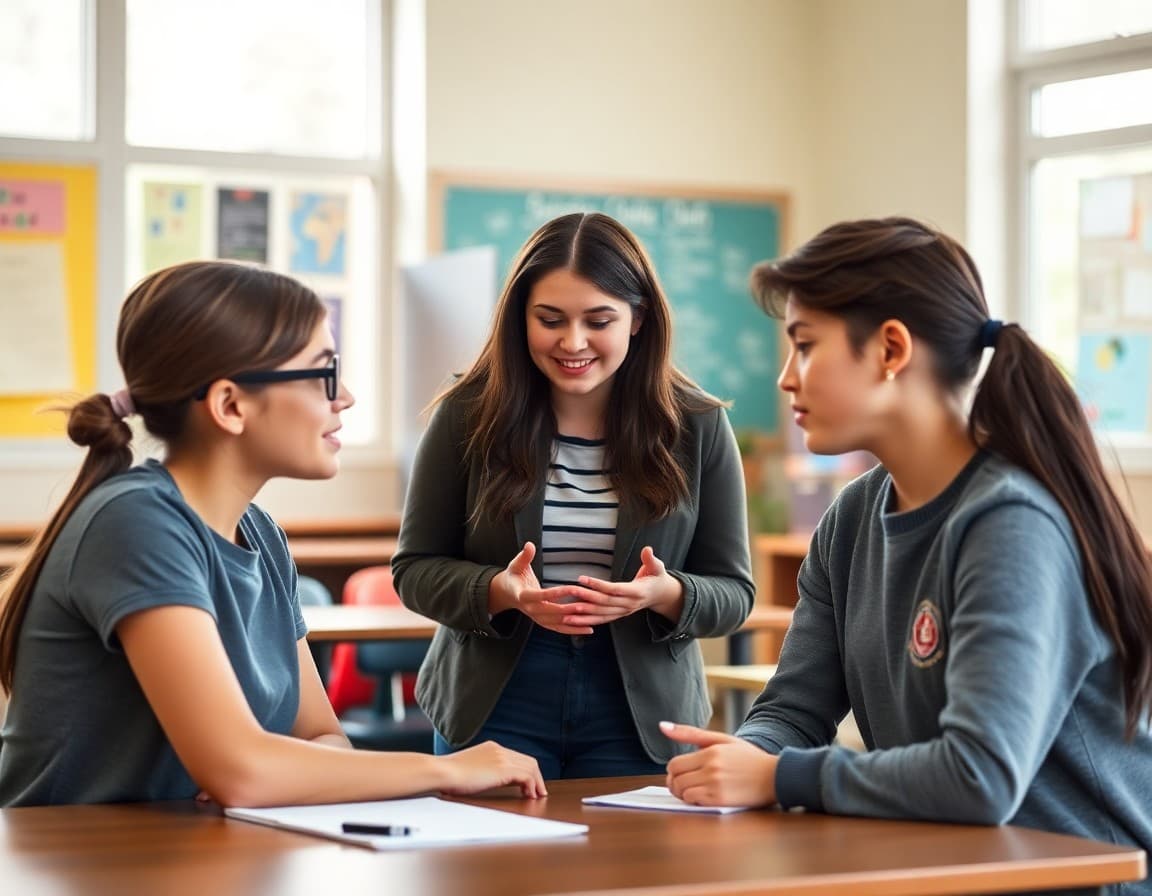
Peer mediation is one of those programs that families support enthusiastically when they understand it and quietly worry about when they do not. A newsletter that explains the scope, the training, and the protections in place turns the worry into confidence.
Explain the Program in Plain Terms
Trained student mediators help peers work through interpersonal conflicts using a structured conversation process. The mediators do not decide outcomes or assign blame. They ask specific questions that help both students describe what happened, explain how it affected them, and agree on how to move forward. An adult is always present to supervise and ensure the process stays safe and productive.
That description is complete and accurate. Give it to families early so everything else in the newsletter builds from a shared understanding.
Define What Peer Mediation Handles
Name the kinds of conflicts that are appropriate for peer mediation. Friendship disputes. Social misunderstandings. Minor recurring tension between students who need to learn to coexist in the same space. Be equally clear about what the program does not handle: situations involving bullying with a power imbalance, threatening behavior, physical harm, or conflicts where one party is not safe participating in a joint conversation. Families need to know both the scope and the limits.
Describe How Students Become Mediators
Explain the selection and training process. Whether students are nominated by teachers or apply. The number of training hours and what is covered: active listening, neutral questioning, summarizing, and drafting an agreement. Whether mediators work in pairs. The commitment required during the school year. Students who know how to become mediators often become motivated to apply. Families who know their student received real training feel confident about the program.
Explain How Referrals Work
Describe how a student ends up in peer mediation. Who can make the referral: teachers, counselors, students themselves, or family members through the school office. What the referral process looks like. Whether both parties need to consent. How quickly the mediation is typically scheduled. Families who understand the referral process can consider whether it might help their student with a specific situation.
Address Confidentiality and Voluntary Participation
Participation is voluntary for both parties. What students share in mediation stays within the process. Mediators do not report the content of conversations to teachers unless safety is a concern. A brief description of these protections tells families that the program handles student information appropriately and that no one is forced into a conversation they are not ready for.
Celebrate the Mediators
If students are already trained and serving as mediators, mention them. Not by name without consent, but by the fact of their role: "Fourteen students in grades 6 through 8 completed our initial training this fall and are available as peer mediators this year." That number makes the program real and gives the mediators the recognition their training deserves.
Get one newsletter idea every week.
Free. For teachers. No spam.
Frequently asked questions
How does peer mediation work in a school setting?
Trained student mediators, usually in pairs, guide two students who are in a conflict through a structured conversation. The mediators do not decide who is right. They ask questions that help both parties share their perspective, understand the other person's experience, and agree on a solution. An adult supervises but does not intervene unless necessary.
What conflicts are appropriate for peer mediation?
Minor interpersonal conflicts: friendship disagreements, misunderstandings, social tension. Peer mediation is not appropriate for situations involving bullying, threatening behavior, or significant power imbalances. The newsletter should describe the scope clearly so families understand what the program handles and what it does not.
How do students become peer mediators?
Describe the selection and training process. Whether students apply or are nominated by teachers. The training they receive: active listening, impartial questioning, summarizing, and agreement documentation. How much time the training takes. Whether there is an ongoing commitment during the school year.
What should families know if their student is referred to peer mediation?
Participation is typically voluntary. The conversation is confidential within the bounds of the program. The mediators are trained but are peers, not therapists or disciplinarians. If the family wants to be involved, describe how that works. The goal is a mutually agreed solution, not a verdict.
What tool helps principals send newsletters efficiently?
Daystage is built for school newsletters. A peer mediation announcement with training timeline, scope description, and family FAQ can be formatted and sent in one step.

Adi Ackerman
Author
Adi Ackerman is a former classroom teacher and curriculum writer with 8 years in K-8 schools. She writes about school communication, parent engagement, and what actually works in real classrooms.
More for Principals
Ready to send your first newsletter?
3 newsletters free. No credit card. First one ready in under 5 minutes.
Get started free