

Principal Newsletter: Spring Music Concert Invitation and Celebration
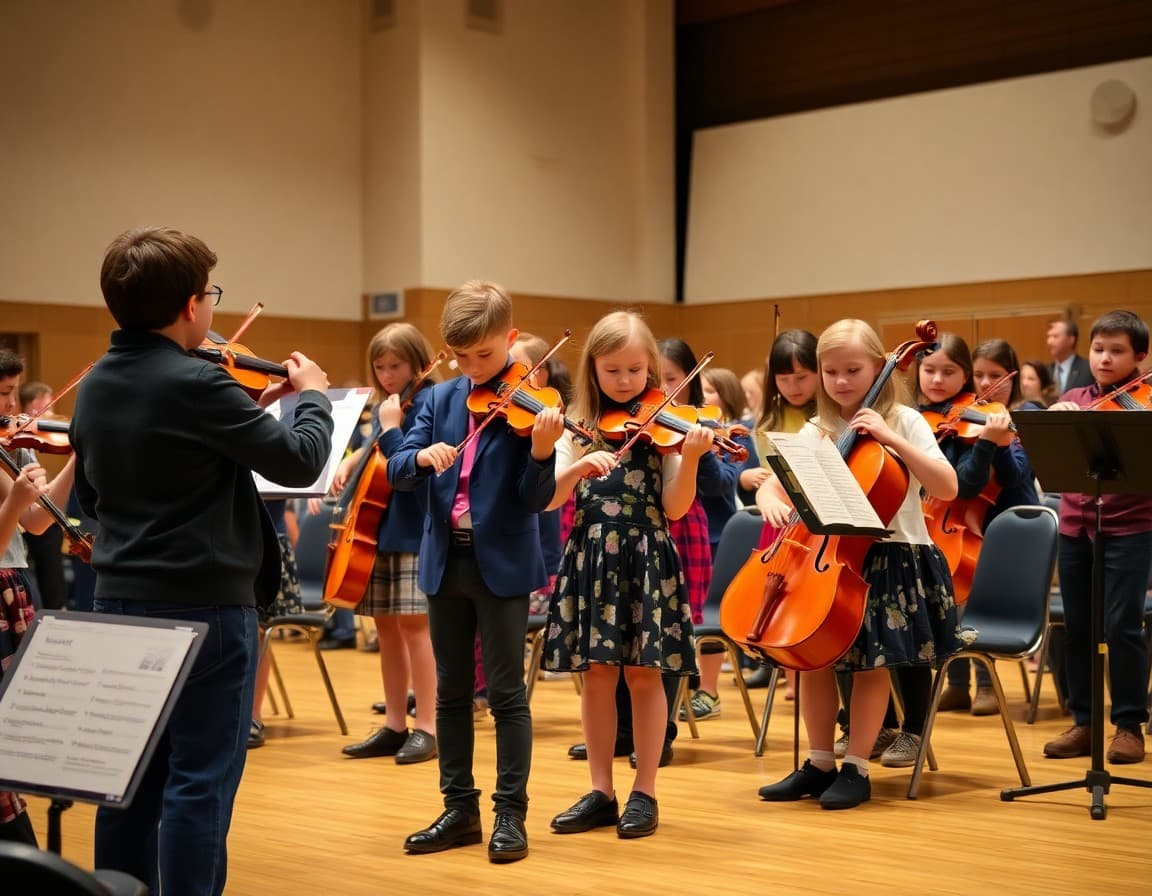
The spring concert newsletter arrives at the moment in the school year when families are most likely to attend school events, when students are most proud of how far they have come, and when the music program most needs community support to end the year well. Write it as the celebration it actually is.
The Year's Musical Journey
Open with what this year has meant for the music program. Name something specific about what students accomplished that you could not have predicted in September. The concert band sight-read the fall piece at first rehearsal and performed it at a level that impressed the music director. The chorus took on a four-part arrangement that none of them had tackled before and mastered it by January. The jazz ensemble performed at the regional festival and came back different musicians. These specifics tell families that the spring concert is the culmination of real work, not just an end-of-year event on the calendar.
What Families Will Hear
Preview the program by ensemble and by piece where you can. Is the concert arranged thematically? Does it include a student-composed work? Will multiple ensembles perform together for a finale? Is a faculty member or guest musician performing with students? Name the special features specifically. Families who know what to expect arrive with the right frame, and families who are new to school music concerts benefit from a preview that helps them understand what they are about to experience.
Honoring Seniors and Departing Students
The spring concert is often a final performance for seniors in band, orchestra, or chorus. Acknowledge this directly. Name the seniors if the group is small enough, or describe what they have given to the program over their years of participation. Tell families of seniors that what they will hear is the last time their child performs with this ensemble, and that the music faculty know exactly what that moment means. Families who feel their child's milestone is recognized in the newsletter appreciate it more than those who receive only a general invitation.
Recognizing the Music Faculty
Name the music director and any additional music faculty or accompanists. Describe what they brought to the program this year. A new repertoire approach. A community performance that built the ensemble's confidence. Individual coaching that elevated specific sections. A culture of high standards and genuine joy in making music together. Music faculty often work outside their contracted hours to make the program what it is, and the spring concert newsletter is one of the most public places to acknowledge that contribution.
Logistics
Date, time, location, parking, arrival recommendation, and whether tickets are required. Is the concert free? Is there reserved seating for families of performers? Will the program be available at the door or available to download in advance? How long is the program approximately? Will the concert be recorded or livestreamed? Give families everything they need to show up on time and prepared. The music director and students have invested months into this evening. Families who arrive on time and settled are a better audience than those rushing in mid-performance.
Using Daystage for the Year's Final Concert
Daystage makes it easy to build a spring concert newsletter with ensemble previews, senior recognition, logistics, and a principal message that honors the program and its people. Send it two weeks out and follow up with a reminder the week of the concert for families who do not want to miss it.
Get one newsletter idea every week.
Free. For teachers. No spam.
Frequently asked questions
What should a principal newsletter about a spring music concert include?
Name the performance date, time, location, and logistics. Preview what ensembles will perform. Celebrate a year of musical growth. Recognize the music director's work and student dedication. For seniors in performing ensembles, acknowledge that this may be their final school concert. Invite families and the broader community.
How does a spring concert newsletter differ from a fall concert newsletter?
Spring concerts carry a different emotional weight. For many students, especially seniors, it is a last performance with this ensemble in this school. For students who started their instrument in the fall, spring is evidence of a year of growth. The newsletter can acknowledge both of those dimensions without being sentimental. Name the year's arc specifically: where students started and where they are now.
How do you honor graduating seniors in the music program in the spring concert newsletter?
Name them individually if the list is short enough to include. If the ensemble is large, describe the seniors as a group and name what they contributed to the program. Acknowledge the musical culture they helped build and what the program will carry forward from their participation. Families of seniors in the music program value this acknowledgment deeply.
Should the spring music concert newsletter preview any special features or guest performers?
Yes. If a faculty member or community musician is performing with students, name them. If there is a commissioned or specially arranged piece, describe it. If the concert features a premiere of a student composition, highlight it. Special features give families additional reasons to attend and signal that the program invests in ambitious programming.
What tool helps principals send newsletters efficiently?
Daystage makes it easy to build a spring concert newsletter with ensemble descriptions, senior recognition, logistics, and a message from the principal that celebrates the year. Send it two weeks before the concert and a reminder four days before.
Adi Ackerman
Author
Adi Ackerman is a former classroom teacher and curriculum writer with 8 years in K-8 schools. She writes about school communication, parent engagement, and what actually works in real classrooms.
More for Principals
Ready to send your first newsletter?
3 newsletters free. No credit card. First one ready in under 5 minutes.
Get started free