
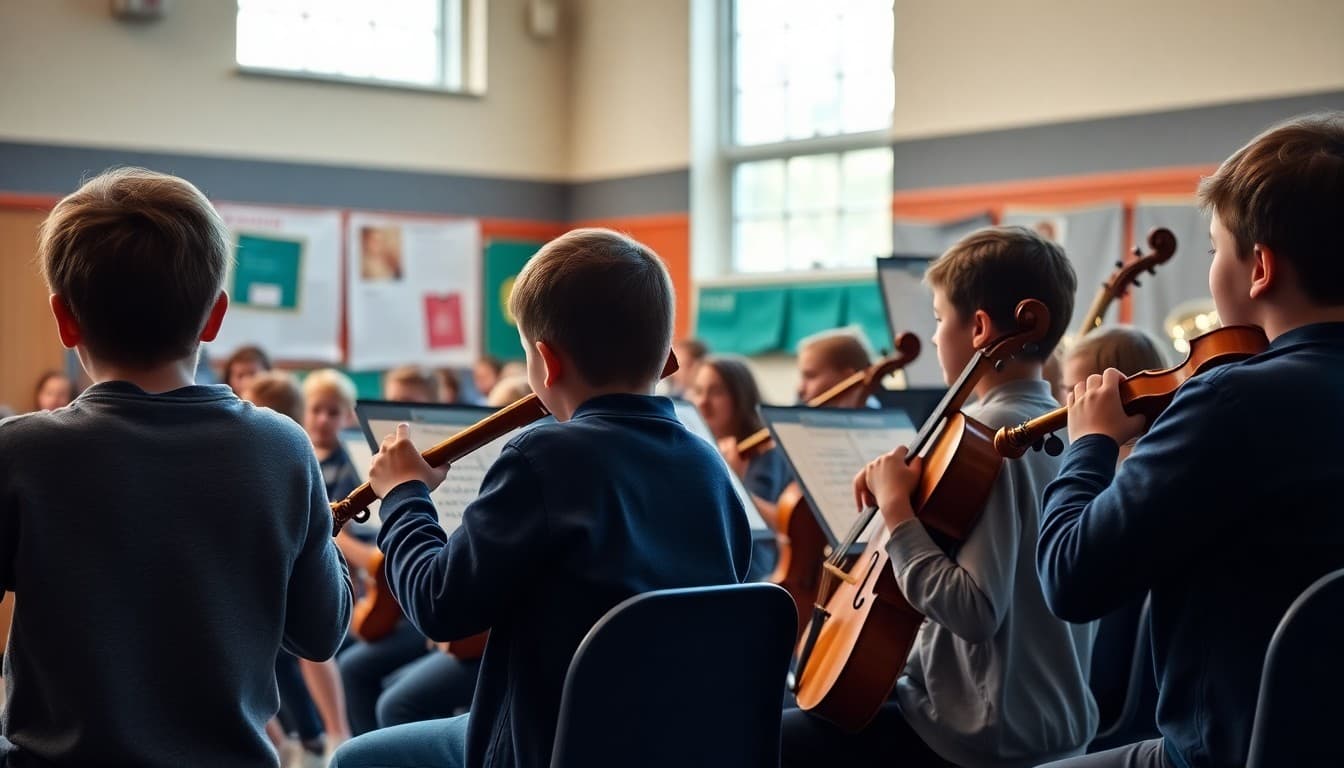
Principal Newsletter: Fall Music Concert Invitation and Preview
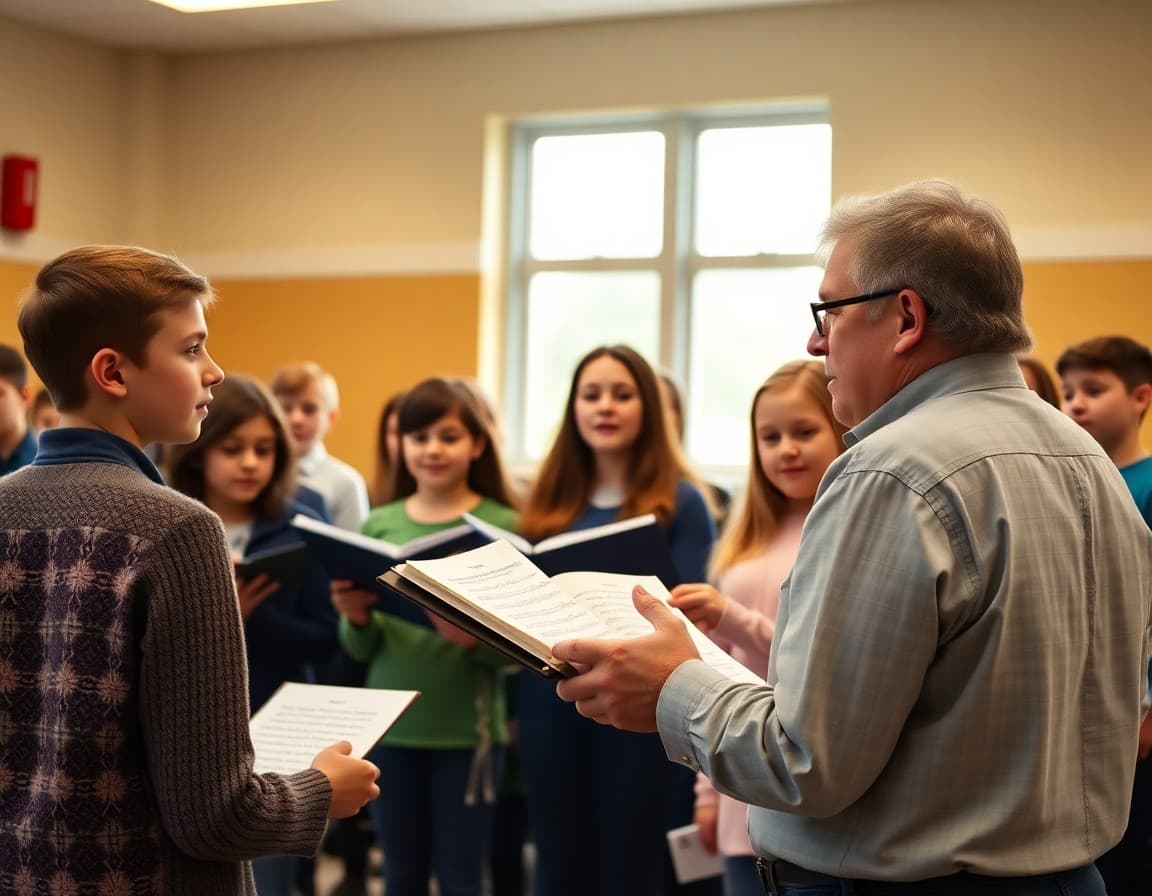
The music concert newsletter has two jobs: give families the logistics they need to show up, and generate the kind of anticipation that makes the room full. Both matter. A concert with an empty audience is demoralizing for student performers who have been preparing for weeks.
What Families Can Expect That Evening
Preview the program. Name the ensembles performing: concert band, jazz ensemble, orchestra, chorus, chamber choir, or whatever groups your school's program includes. Name a piece or two that families will hear. Is there a theme to this fall's program? Did students choose part of the repertoire? Will there be a combined piece featuring multiple ensembles? Did students compose any of the music? Specific details make the concert feel real before families arrive, and families who know what they are coming to hear arrive with more genuine engagement than those who received only a start time.
Honoring the Work Behind the Performance
Describe what students have been doing to prepare. Sectional rehearsals before school. Full ensemble rehearsals twice a week after school. Individual practice at home, which families directly witness. For students who started an instrument this year, the fall concert is often the first time they have performed in public, and that moment deserves to be named. For advanced students, name the complexity or ambition of the pieces they have been learning. The audience that understands what went into the performance listens differently than the one that simply showed up.
A Word About the Music Director
Name the music director and describe what they have built. How long have they been leading the music program? What has grown or changed under their direction? What do students say about their experience in the ensemble? A music director who has built a culture of musical excellence in a school deserves public acknowledgment, and the concert newsletter is one of the most natural places to give it. Families who feel a connection to the faculty leading their child's program are more likely to be the consistent supporters the program needs.
Logistics
Be specific. Date, time, location, and where to park or enter. What time should audience members arrive to ensure a seat? Are there two performances or one? Are tickets required, and if so, where are they available and at what cost? Will the concert be recorded or livestreamed for families who cannot attend in person? Should younger siblings be expected to sit quietly for the duration, and roughly how long is the program? Every practical question answered in the newsletter is one fewer question in the school office the week of the concert.
For Families of First-Time Performers
A sentence or two specifically for families whose child is performing publicly for the first time. They may be more nervous than their student. Remind them that the nerves are part of the experience and that the music director has prepared students for this moment. Tell them what to say to their child after the performance, regardless of how it goes: that they showed up, prepared, and did something difficult in front of other people, and that is worth every bit of the pride families feel.
Using Daystage for Concert Invitations
Daystage makes it easy to build a fall concert newsletter with ensemble previews, logistics, a message from the principal, and a note of appreciation for the music faculty. Send it early enough that families can put the date on their calendar, and send a reminder the week before for families who missed the first send.
Get one newsletter idea every week.
Free. For teachers. No spam.
Frequently asked questions
What should a principal newsletter about a fall music concert include?
Give the logistics: date, time, location, and arrival guidance. Preview what ensembles will perform and what families can expect to hear. Celebrate the work students and the music director have done to prepare. Include any ticketing or seating information. Thank families for supporting their child's music education.
How do you build excitement for a school music concert in the newsletter?
Name specific ensembles and pieces. Tell families what students have been working on in rehearsals. Share a short quote or reflection from the music director about what this program means. Acknowledge the hours of individual practice that go into a public performance. Families who know what to expect and feel the work behind it arrive with better energy than families who received only a date and time.
How do you handle ticketing information in a music concert newsletter?
Be specific about whether tickets are required, free, or at the door. Name the ticketing platform if applicable. Give the capacity of the venue and whether the concert is likely to fill up. If there are two performances or a reserved seating option, explain how that works. Families who have to figure out the ticketing process on their own often arrive late or bring the wrong number of people.
Should a principal newsletter recognize the music director personally?
Yes. The music director typically puts in more hours than most families see: early morning rehearsals, after-school sessions, individual instrument coaching, and the behind-the-scenes work of programming, ordering music, and coordinating logistics. A newsletter that names their contribution specifically earns the program community goodwill and signals that the school values its performing arts faculty.
What tool helps principals send newsletters efficiently?
Daystage makes it easy to build a fall concert newsletter with ensemble descriptions, logistics, and a message from the principal that honors student performers and music faculty. Send it two to three weeks before the concert date.

Adi Ackerman
Author
Adi Ackerman is a former classroom teacher and curriculum writer with 8 years in K-8 schools. She writes about school communication, parent engagement, and what actually works in real classrooms.
More for Principals
Ready to send your first newsletter?
3 newsletters free. No credit card. First one ready in under 5 minutes.
Get started free