
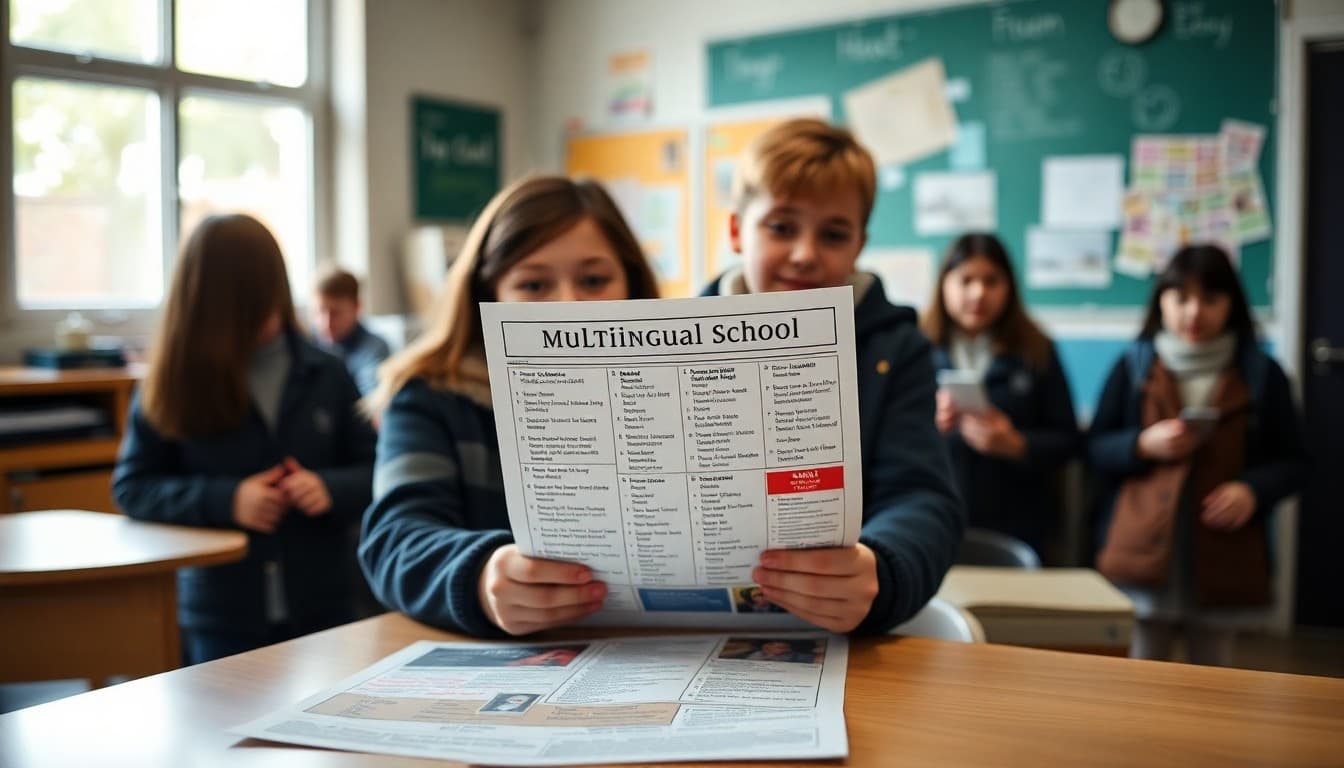
Reaching Multilingual Families Through Your Principal Newsletter
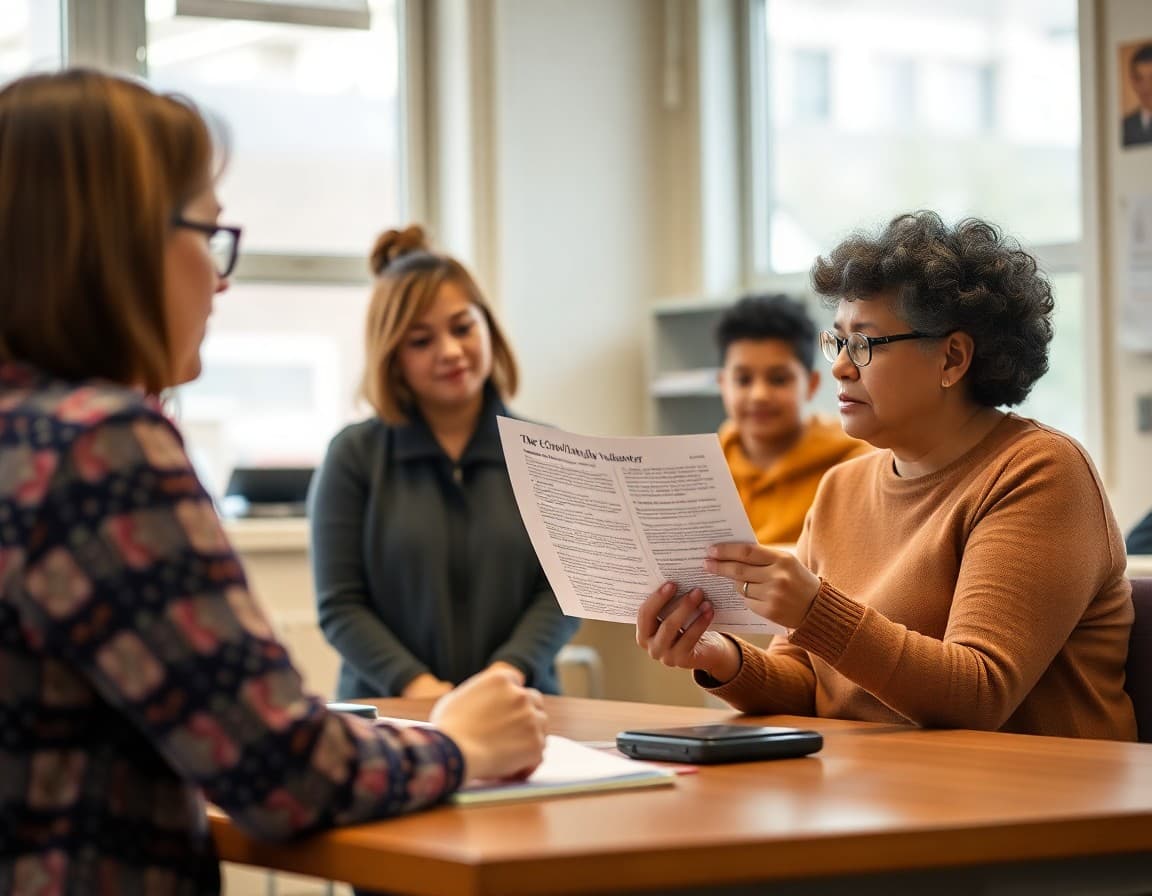
A principal newsletter that only 70 percent of families can read is a principal newsletter that only 70 percent of families can act on. Every piece of important information -- the conference date, the safety procedure, the change to the bus route -- has a different impact on a family who reads it versus one who receives it but cannot understand it. Getting this right is not extra work. It is the work.
Write Plain English First
Before you translate anything, simplify the source text. Short sentences. Active voice. No idioms. No jargon. "Students will take the state math test on April 14 and 15" is easier to translate accurately than "students will be assessed during the upcoming standardized evaluation window." Plain English serves English-speaking families who scan newsletters quickly and multilingual families whose translation tools produce better results from simple input. It is a single habit that improves communication for everyone.
Identify Your Top Languages and Plan for Them
Every principal knows which languages are most common in their school. Make a list. For the top two or three languages, build a translation workflow into your regular newsletter process. This could mean a bilingual staff member reviews the machine-translated version, a community family liaison does a quick read, or a professional translation service is used for critical communications. The workflow you build depends on your resources -- but having one is the difference between sporadic translation and consistent access.
Translate the Most Critical Information First
You may not have the resources to translate every paragraph. Prioritize. Emergency information, safety plans, schedule changes, and event invitations where attendance is important -- these should always be translated. Academic updates, program highlights, and principal reflections can follow when resources allow. Tell multilingual families that critical updates are always translated and where to find them.
A Template Multilingual Newsletter Header
Here is a header section that signals multilingual inclusion at the top of the newsletter:
"This newsletter is available in Spanish, Somali, and Arabic. Translations begin on page 2 / Este boletín está disponible en español a partir de la página 2 / Koranta waxaa laga heli karaa afka Soomaaliga bogga 2 / هذه النشرة متاحة باللغة العربية ابتداءً من الصفحة 2."
That header is four lines. It tells every family in your building whether this newsletter has been prepared for them. The absence of that header tells them something too.
Use a Family Liaison as a Cultural Bridge, Not Just a Translator
Translation handles language. A family liaison handles culture. Some newsletter content that seems neutral in English carries a different connotation in another language or culture. A family liaison can flag those moments and suggest adjustments. They can also make the phone calls that translate into action for families who do not engage primarily through reading. That human layer is irreplaceable.
Acknowledge Cultural Differences in Communication Norms
Some families come from educational cultures where communication from the principal is formal and one-directional -- they receive information but do not expect to respond to it or question it. An explicit invitation to reach out -- "Please contact me with questions. My door is genuinely open" -- may need to be stated multiple times and in multiple ways before families from these backgrounds feel comfortable acting on it. The newsletter can normalize two-way communication by modeling it consistently over time.
Test Your Newsletter With Multilingual Families
Ask two or three multilingual families each year whether they can understand the newsletter and whether the translation they receive is accurate. This does not require a formal survey -- a brief conversation at pickup or a question in a community meeting will do. The feedback you get will improve the newsletter more than any editing process you use on your own. Families who are asked for their perspective feel seen and are more likely to engage with what you send.
Use Daystage to Create and Send Separate Translated Versions
For schools with a significant non-English-speaking population, sending a dedicated translated newsletter is more effective than appending a translation to the bottom of the English version. A family who opens a newsletter in their language from the school principal is receiving a different message than a family who has to scroll past English text to reach a translation. Daystage makes it straightforward to maintain multiple newsletter versions and send each to the appropriate family list.
Get one newsletter idea every week.
Free. For teachers. No spam.
Frequently asked questions
How do I make my principal newsletter accessible to multilingual families?
Translation is the obvious answer, but it is not the only one. Write in plain English first -- shorter sentences, no idioms, no jargon -- because even machine translation produces better results from simple source text. Then identify the top languages in your school and provide translated versions of critical information at minimum.
What is the best approach to translating a principal newsletter?
Professional human translation is most accurate, especially for legal or medical content. For regular newsletter communication, a combination of a family liaison who reviews machine translation for accuracy and cultural appropriateness is practical and affordable. Google Translate alone is insufficient for families making important decisions based on the text.
What newsletter content most urgently needs translation?
Emergency and safety information, policy changes that require family action, event invitations where attendance matters, and anything involving consent or legal rights. Academic updates and general news are important but lower stakes. Prioritize translation resources for information where being misunderstood has real consequences.
How do I communicate with families who have limited literacy in their home language?
A multilingual newsletter sent home solves nothing for families who cannot read any language fluently. For these families, a phone call from a family liaison or a brief community member who speaks their language is the real communication channel. The newsletter tells them a call is coming: 'A school liaison will contact you by phone to share this information.'
Does Daystage support multilingual newsletter communication?
Daystage newsletters can include translated sections alongside English text. For schools with a primary non-English-speaking community, sending a dedicated translated version of the newsletter is the most effective approach. Daystage makes it easy to create and send separate versions.

Adi Ackerman
Author
Adi Ackerman is a former classroom teacher and curriculum writer with 8 years in K-8 schools. She writes about school communication, parent engagement, and what actually works in real classrooms.
More for Principals
Ready to send your first newsletter?
3 newsletters free. No credit card. First one ready in under 5 minutes.
Get started free