
Celebrating Cultural Awareness Month in Your Principal Newsletter
Cultural awareness month newsletters do not fail because principals do not care. They fail because the language defaults to the generic. "We celebrate the rich tapestry of our diverse community." That sentence says nothing to a family from Honduras, Vietnam, or Liberia. What they want to know is: does this school actually see us?
Start by Naming What Is Happening
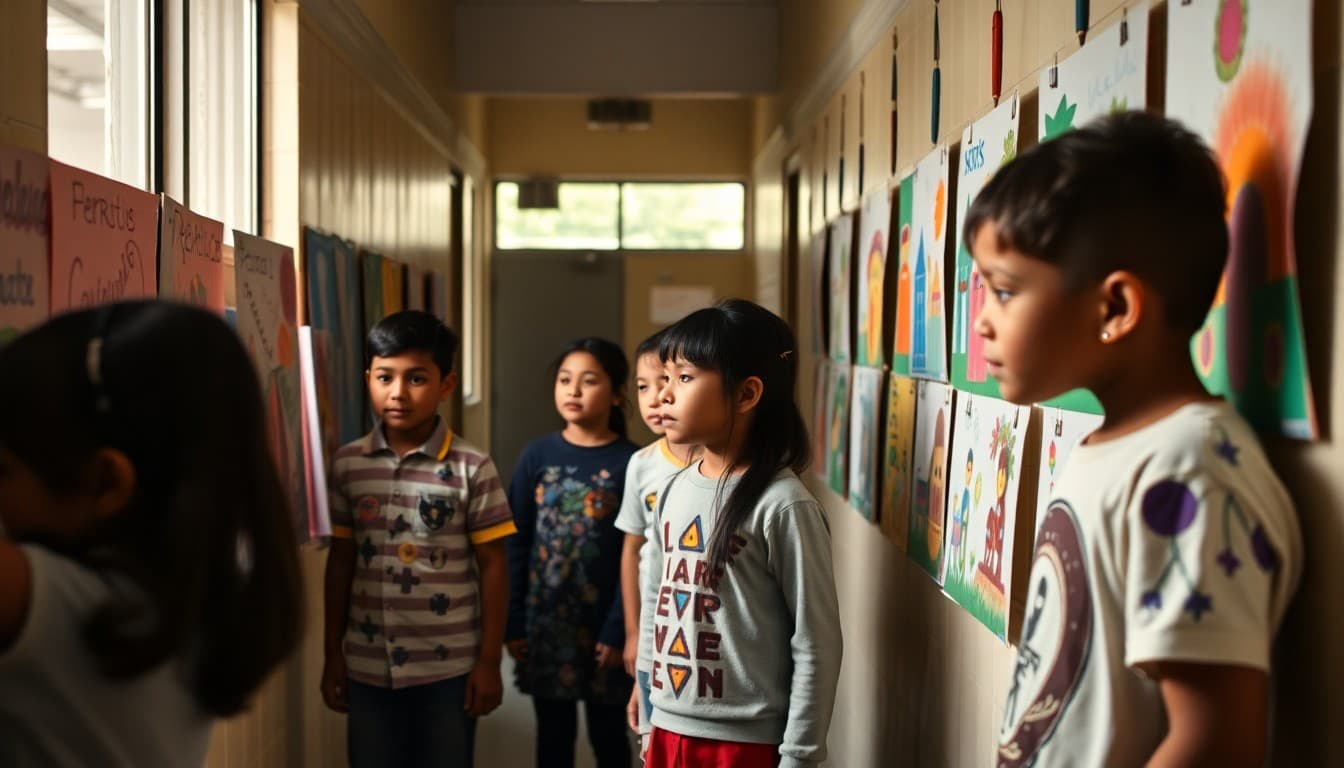
The most important sentence in your cultural awareness newsletter is the one that describes something concrete. Not "we are honoring Hispanic Heritage Month" but "fifth graders have spent two weeks interviewing family members and are presenting their stories to the school on Friday." That is a real thing happening. Name it, describe it, and tell families when and where it is visible.
Invite Families to Contribute, Not Just Observe
The families whose cultures are being highlighted are your best resource. Ask directly: "Are you willing to share a family story, a recipe, a song, or an object from your heritage with a classroom? Contact Ms. Daniels at the main office." Even if only three families respond, those three contributions will be remembered far longer than any bulletin board you could make without them.
Connect It to Curriculum
When cultural awareness activities are tied to what students are learning academically, they become more than decoration. If students are reading books by authors from specific backgrounds, learning about historical contributions of a particular culture, or studying geography through a cultural lens, tell families. "Your child is learning about the Harlem Renaissance through music, poetry, and art this month" connects the celebration to real school learning.
A Template Opening That Works
Here is a newsletter opener that avoids the generic:
"October is Hispanic Heritage Month, and we are marking it with more than a hallway display. Every classroom has a featured author, artist, or historical figure from Latin America this month. Our middle school students are completing cultural heritage projects that will be on display in the library starting October 20. We are also hosting a family conversation night on October 23 -- more details below."
Four sentences. Specific. Action-oriented. No hollow language.
Address Multiple Cultural Months Across the Year
Black History Month, Asian Pacific American Heritage Month, Native American Heritage Month, Hispanic Heritage Month -- each one deserves a newsletter that takes it seriously. Keep a content calendar so you are not scrambling to write something generic the week the month starts. When families see consistent, thoughtful treatment of multiple cultures over the course of the year, that is when the school's commitment feels real.
Use Photos and Student Voices
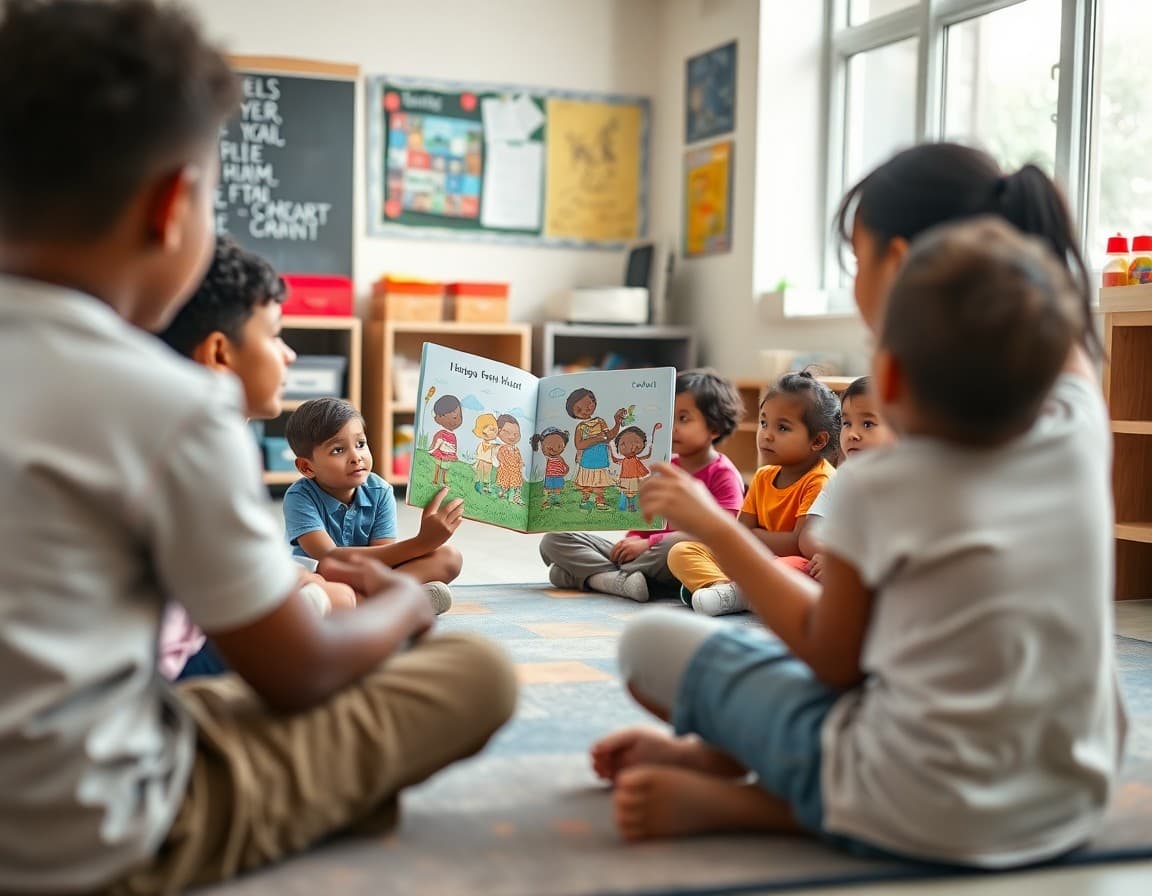
A photo of a student presenting their heritage project says more than any paragraph you write. A one-sentence student quote -- "I never knew my grandmother's village had a name for that -- it is in my project" -- makes the newsletter human. If your school has a photography policy that allows it, lead with the image and let the visuals do the work.
Acknowledge Families Whose Cultures Are Not Centered This Month
Every heritage month excludes someone. A brief line acknowledging that your school honors many cultures throughout the year -- not just in a designated month -- goes a long way. It tells families you are thinking about the full picture, not just checking a box on the calendar.
Measure Your Own Coverage
At the end of the year, look back at your newsletters. Which cultures appeared? Which were absent? Who was mentioned only once? That review will shape next year's calendar better than any planning meeting. The newsletter is a record of what you actually chose to celebrate. Make sure you are proud of what it shows.
Get one newsletter idea every week.
Free. For teachers. No spam.
Frequently asked questions
What should I include in a cultural awareness month newsletter?
Highlight specific activities happening in classrooms and the school building. Name the cultures being celebrated. Invite families to participate. Share resources like book recommendations or community events. Concrete details are what make a cultural awareness newsletter feel genuine rather than performative.
How do I write about cultural awareness without defaulting to generic language?
Replace every general statement with a specific one. Instead of 'we honor all cultures,' write 'this month, fourth graders are researching and presenting on their family heritage.' Instead of 'celebrating diversity,' write 'our library display features 30 books by authors from underrepresented communities.' Specificity is credibility.
How do I involve families in cultural awareness month through the newsletter?
Invite them directly. Ask families to share a recipe, bring a cultural artifact for a classroom show-and-tell, or volunteer for a heritage event. Include a brief note about how to sign up. Families from minority cultures often want to be involved but wait to be asked explicitly -- the newsletter is your invitation.
What is the right frequency for cultural awareness newsletters?
One dedicated newsletter at the start of the month plus brief updates within your regular weekly or biweekly newsletter is a good cadence. A standalone send signals that the school takes the month seriously. Ongoing mentions show it is not a one-day event.
Does Daystage work for sending culturally aware newsletters to multilingual families?
Yes. Daystage supports formatted newsletters you can translate section by section, and you can link out to translated resources. Sending in families' home languages is one of the most direct ways to show that cultural awareness month applies to them personally.

Adi Ackerman
Author
Adi Ackerman is a former classroom teacher and curriculum writer with 8 years in K-8 schools. She writes about school communication, parent engagement, and what actually works in real classrooms.
More for Principals
Ready to send your first newsletter?
3 newsletters free. No credit card. First one ready in under 5 minutes.
Get started free