
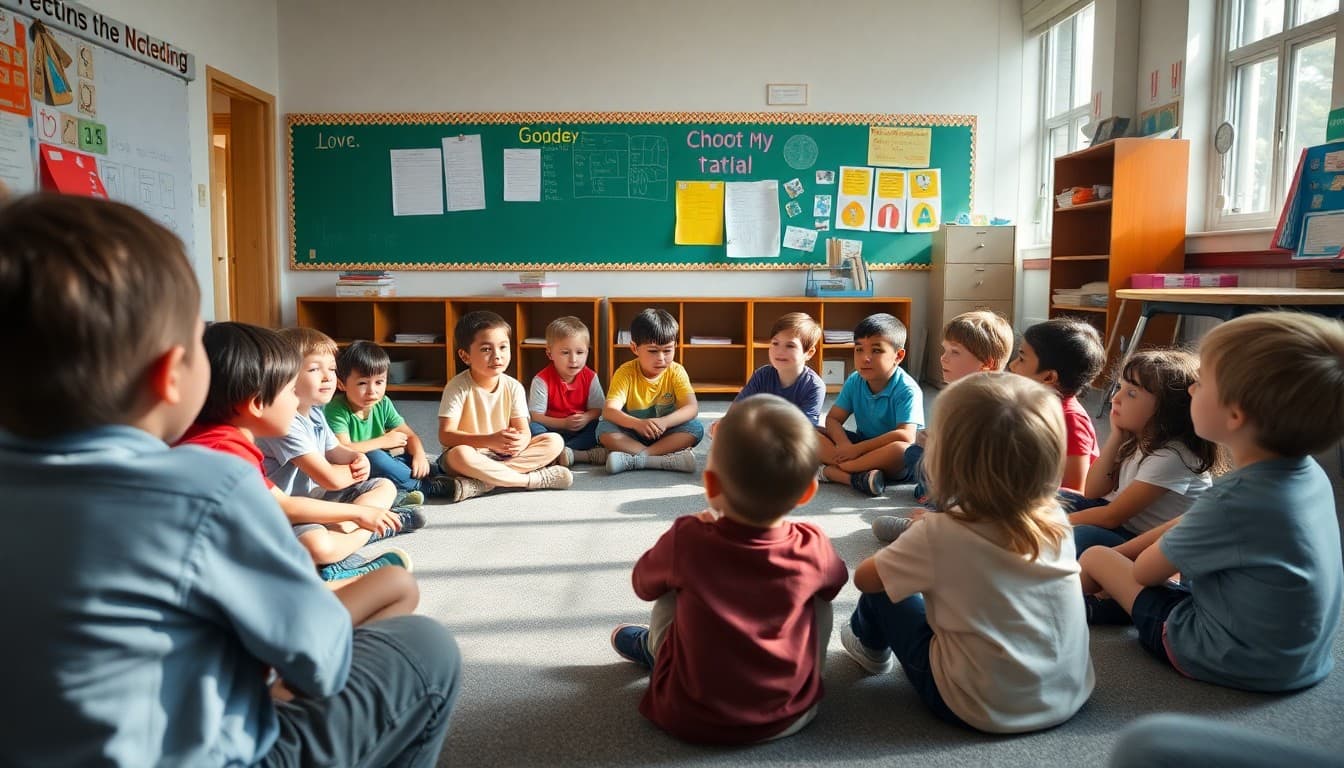
Morning Meeting Newsletter: Helping Families Understand What Their Child Starts Every Day With
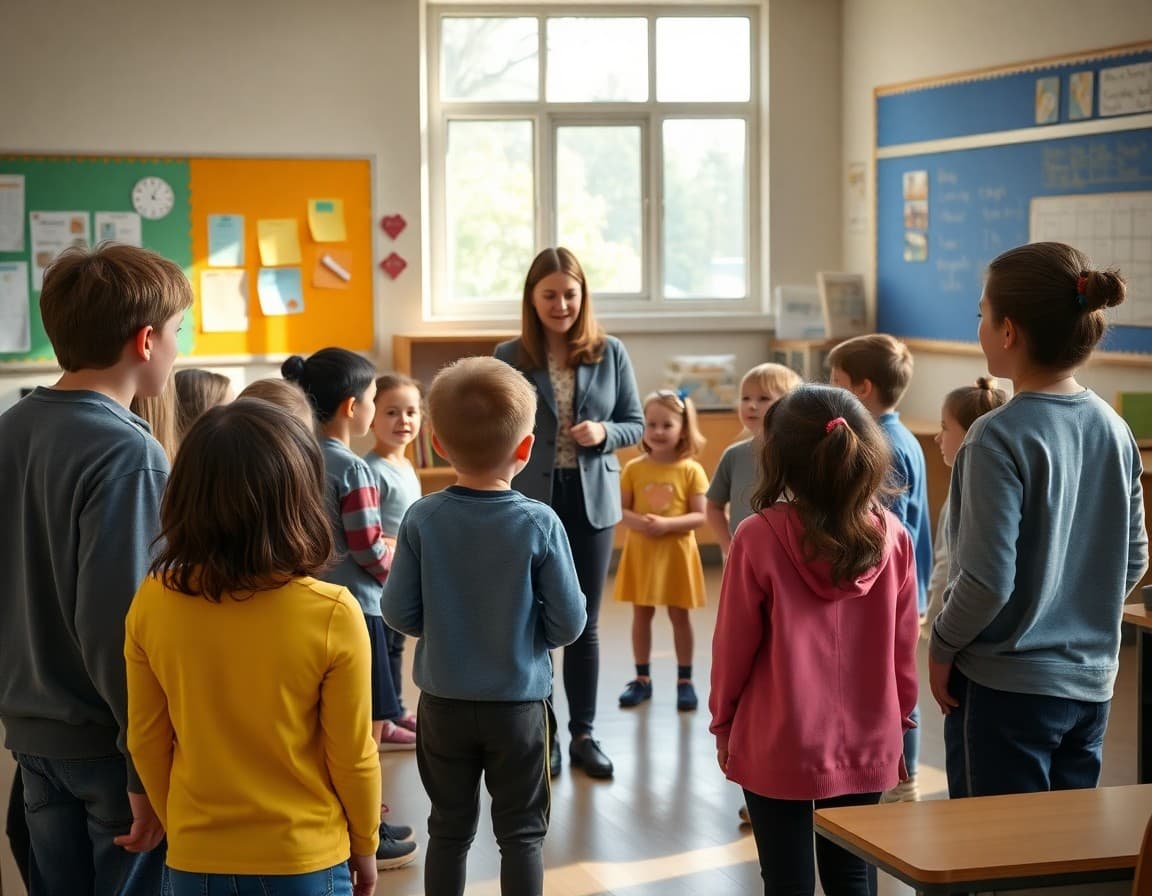
Morning meeting happens every day in classrooms across the country, and most families have no idea what it is. They hear their child mention the greeting activity or the sharing circle and do not know whether it is a structured curriculum practice or a few minutes of unstructured time at the start of the day. The newsletter that explains morning meeting builds the understanding that makes families value it, support it, and occasionally replicate it at home.
Describe the four components of morning meeting
Morning meeting, as developed by Responsive Classroom and practiced in thousands of schools, has four consistent components. Describing them in the newsletter gives families a complete picture:
- Greeting: Every student greets and is greeted by name. The greeting is structured, practiced, and varies each day. Its purpose is to ensure every student starts the day feeling acknowledged.
- Sharing: One or more students share something from their life and receive questions and comments from peers. This builds communication skills and deepens classroom community.
- Group activity: A brief, engaging activity that builds academic skills through social interaction: word games, math challenges, or movement-based vocabulary review.
- Morning message: A brief written message from the teacher to the class, previewing the day and often including a question for students to answer on arrival.
Connect morning meeting to academic readiness
Families who see the daily fifteen to twenty minutes of morning meeting as time away from instruction need a reframe. Morning meeting creates the conditions for learning: students who arrive at instruction feeling known, belonging, and connected are more available to learn than students who transition immediately from arrival to cold instruction. Research on classroom climate and academic engagement consistently supports this relationship.
Describe the SEL connection
Morning meeting practices the same competencies that social-emotional learning curricula explicitly teach: self-awareness, empathy, listening, communication, and community responsibility. The difference is that morning meeting practices these skills daily in an authentic context rather than in a scheduled lesson. Families who understand this connection see it as integrated instruction.
Give families a home practice option
The morning meeting structure translates directly to home:
- A family greeting at breakfast (each person greets each other by name before sitting down)
- A family share at dinner (each person shares one thing from the day and others respond with one question)
- A family activity or game as part of an evening routine
Daystage makes it easy to include a morning meeting home-practice guide in the newsletter and update it monthly as the classroom skill focus changes across the year.
Get one newsletter idea every week.
Free. For teachers. No spam.
Frequently asked questions
What is morning meeting and how do I explain it to families who have never heard of it?
Morning meeting is a structured daily community-building practice, typically fifteen to thirty minutes, that includes a greeting, sharing, a group activity, and a morning message. It starts the day by establishing connection, practicing communication skills, and creating a classroom community. Describe these four components in the newsletter and most families will immediately understand both the format and the value.
How do I justify the time spent on morning meeting to families who are focused on academics?
With outcomes. Schools using structured morning meeting practices show higher engagement, lower discipline referrals, and stronger academic performance than comparable schools without it. Students who begin the day feeling known and connected are more ready to learn than students who begin the day with cold instruction. Frame morning meeting as instructional time, not social time.
How does morning meeting connect to social-emotional learning standards?
Directly. Morning meeting practices self-awareness, social awareness, relationship skills, and responsible decision-making , the core SEL competencies , in a daily, low-stakes context. Families who understand this connection see morning meeting as part of the curriculum, not a delay before the curriculum starts.
How can families extend morning meeting practices at home?
A dinner greeting, a family share, and a brief family activity or game replicate the morning meeting structure at home. Give families the specific format in the newsletter and most will try it once. The families who find it effective keep it.
What tool helps principals send newsletters efficiently?
Daystage makes it easy to include a morning meeting home-practice guide, skill-of-the-month update, and family reflection prompts in a consistent newsletter section that families return to throughout the year.

Adi Ackerman
Author
Adi Ackerman is a former classroom teacher and curriculum writer with 8 years in K-8 schools. She writes about school communication, parent engagement, and what actually works in real classrooms.
More for Principals
Ready to send your first newsletter?
3 newsletters free. No credit card. First one ready in under 5 minutes.
Get started free