

Principal Newsletter: Lost and Found Communication and Labeling Reminders
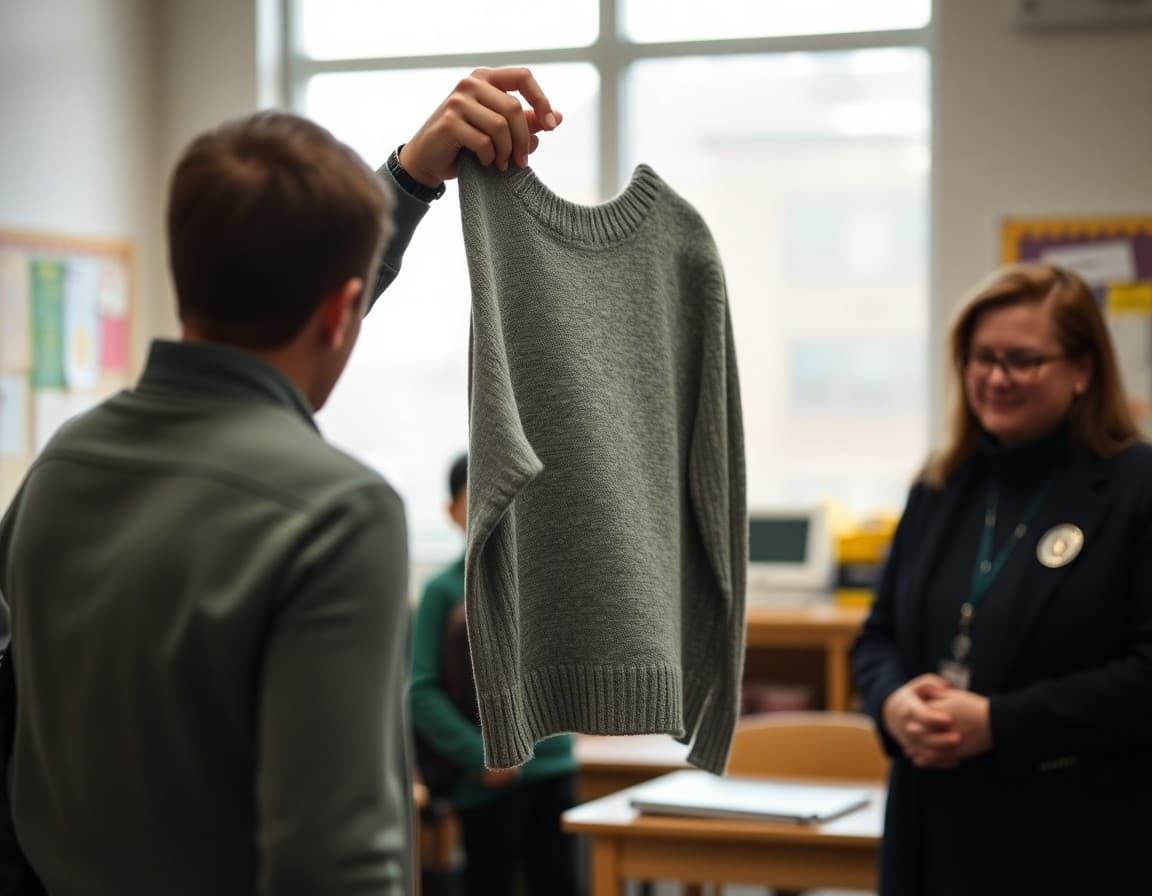
Lost and found communication sounds trivial until you have a pile of fifty unlabeled jackets in October and parents filing into the office asking where their child's sweatshirt is. A consistent labeling message and a clear donation policy solve most of this before it starts.
The August labeling newsletter
Your first newsletter of the year should include one paragraph about the lost and found. Where it is located. What the school does with unclaimed items at the end of each quarter. And the most important part: label everything. Jacket collars. Lunch bags. Water bottles. School supplies. Name and grade.
Include specific labeling methods. Permanent marker on masking tape inside the cuff. Iron-on name labels. Fabric markers on clothing tags. Families who receive specific instructions have a much higher compliance rate than families who receive a general request to label items.
Monthly newsletter reminders that actually work
A one-sentence mention in your regular newsletter each month: our lost and found is growing. If you are missing a jacket or lunch bag, please check. This takes ten seconds to write and recovers items regularly.
The photo approach
A photo of the lost and found collection in the newsletter is worth ten paragraphs of description. Families who see a photo of forty jackets in a bin will look for their child's coat. Families who read a sentence about the lost and found growing may or may not act.
Pre-donation deadline communication
Before donating unclaimed items, send a newsletter with the donation date clearly stated. Any unclaimed items remaining on Friday, November 15 will be donated to [local shelter]. Please check the lost and found in the main office by Thursday if you are missing anything. Naming the donation recipient gives the process dignity and purpose.
What actually reduces the lost and found pile
Two things work: labeling and donation schedules. Schools that donate on a predictable schedule three times per year have smaller lost and found piles than schools that keep everything indefinitely. Include your donation schedule in the August newsletter so families plan around it from the start.
Using the lost and found moment to build school culture
A family that donates items to the school lost and found, or that recovers an item and leaves a thank-you note, is a family building connection to the school. Small logistics handled well are the texture of a school culture that families feel proud to be part of.
Get one newsletter idea every week.
Free. For teachers. No spam.
Frequently asked questions
How often should a principal include lost and found information in the newsletter?
Once at the start of the year explaining the labeling policy and the location of lost and found, then monthly reminders that the collection is growing and families should check. Before items are donated, a final newsletter with a deadline gives every family a last chance.
What labeling instructions should a principal give in the newsletter?
Specific and practical: write your child's name and grade inside the collar or on the tag of every jacket, inside the lunch bag, and on the bottom of water bottles. Iron-on labels, fabric markers, or permanent marker on masking tape inside the cuff all work. Families who receive specific instructions act on them. Families who receive general encouragement do not.
How should a principal communicate before donating lost and found items?
Give at least two weeks' notice in the newsletter and name the donation date clearly. Include a photo if possible. Families who have not checked recently often do so only when they see a photo of the pile and recognize something. Name the charity receiving donated items.
How does a principal manage a lost and found that is out of control?
A semi-annual newsletter reminder that everything in the lost and found will be donated on a specific date, followed by actually donating on that date, trains families to check more regularly. Schools that never donate train families to assume items will always be there.
How can Daystage help principals communicate practical school logistics?
Daystage makes it easy to include a photo of the current lost and found collection in the newsletter. A photo of a pile of labeled versus unlabeled items communicates the labeling message faster than any text could. Principals who include visual examples in newsletters get more family action on practical requests.

Adi Ackerman
Author
Adi Ackerman is a former classroom teacher and curriculum writer with 8 years in K-8 schools. She writes about school communication, parent engagement, and what actually works in real classrooms.
More for Principals
Ready to send your first newsletter?
3 newsletters free. No credit card. First one ready in under 5 minutes.
Get started free